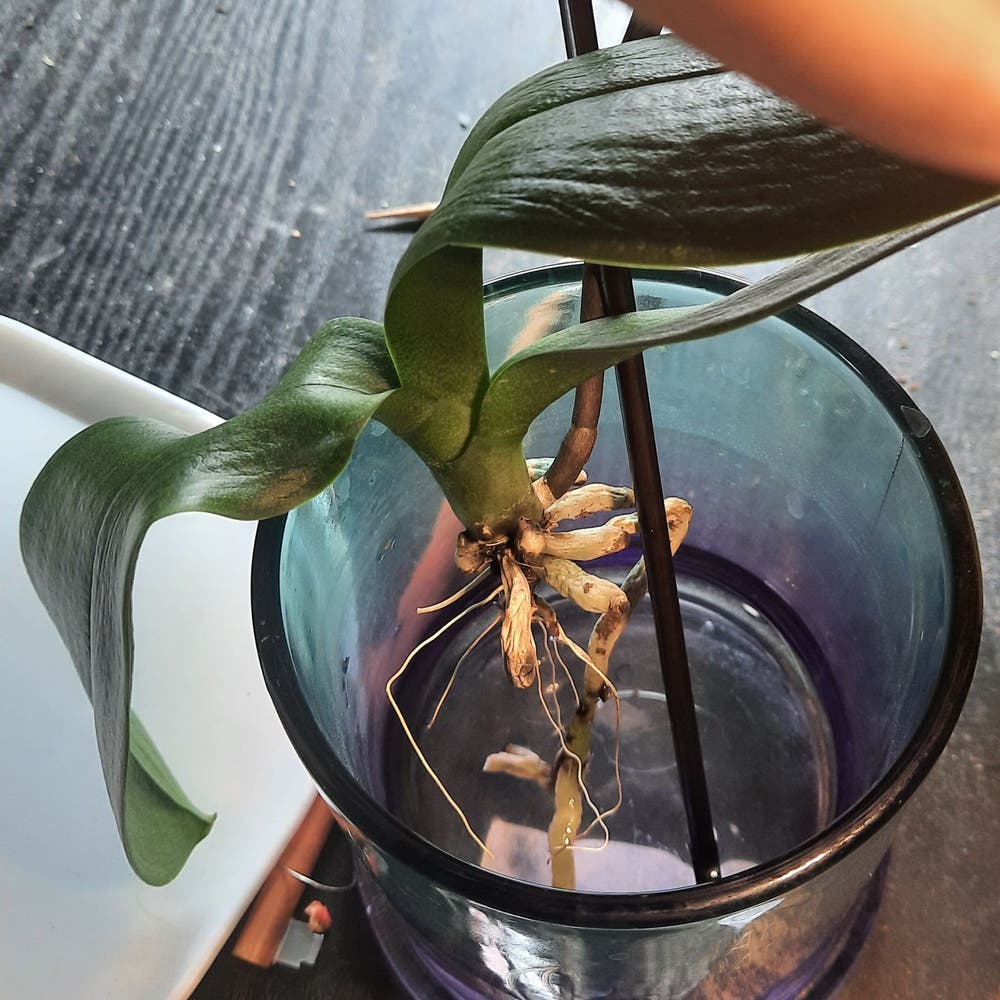
Am I Starving My Mini Phalaenopsis Orchid? Fertilizing 101
Phalaenopsis amabilis 'Miniature'
By the Greg Editorial Team
Jun 18, 2024•4 min read
This article was created with the help of AI so we can cover more plants for you. May contain errors. See one? Report it here.
- Understand N-P-K ratios to choose the right fertilizer for your orchid.
- Tailor fertilizing to growth stage and environmental factors like light and humidity.
- Recognize signs of over-fertilization, such as yellowing leaves, and correct promptly.
Choosing the Right Fertilizer for Your Mini Phalaenopsis
💡 Understanding Fertilizer Labels
Navigating the world of fertilizer labels can be like cracking a secret code. The three numbers you see, known as the N-P-K ratio, represent the percentages of nitrogen (N), phosphorus (P), and potassium (K) contained within. For Mini Phalaenopsis orchids, a balanced ratio is akin to a well-rounded meal, providing all the nutrients necessary for growth and bloom.
🍽️ Balanced vs. Specialized Orchid Fertilizers
When it comes to choosing between balanced and specialized orchid fertilizers, it's a toss-up between convenience and customization. Balanced fertilizers, often with equal N-P-K numbers, are the jack-of-all-trades, suitable for most situations. On the flip side, specialized orchid fertilizers cater to the finicky nature of these plants, potentially leading to more dramatic blooms. However, they might require a more nuanced understanding of your orchid's needs and the current growth stage.
Remember, while your Mini Phalaenopsis won't throw a tantrum over the occasional subpar meal, consistently feeding it the right fertilizer will keep it from becoming a lackluster shadow of its potential glory.

Crafting the Perfect Fertilizing Schedule
💡 Growth Stage Specifics
Tailoring your fertilizing routine to your orchid's life cycle is crucial. During the leaf growth and root growth stages, your Mini Phalaenopsis is in a state of active development, demanding more nutrients. Monthly fertilization is recommended in these periods. As the plant enters dormancy, it's time to ease up. Reduce fertilization to match the plant's slowed metabolism, avoiding nutrient overload.
💡 Environmental Considerations
Adjusting fertilization based on light, temperature, and humidity is like fine-tuning an instrument. If your orchid basks in more light, it might need a nutrient boost to support the increased photosynthesis. Conversely, in cooler temperatures with less light, dial back the fertilizer to prevent potential harm. Humidity also plays a role; high humidity can decrease the need for water and nutrients, while low humidity might require more frequent watering and fertilizing. Keep a keen eye on these factors and adjust your schedule accordingly.

Fertilizing Techniques That Work
💧 Dilution Is Key
When it comes to fertilizing your Mini Phalaenopsis, dilution is your best friend. Mix your fertilizer at half-strength to prevent the dreaded root burn. It's like mixing a drink; too strong and your orchid could suffer. Always keep the soil moist post-fertilization, as dry soil increases the risk of damage.
🌱 Application Methods
Top-Dressing
Sprinkle granular fertilizer on the soil surface, but avoid direct contact with leaves and stems to prevent burn. Water immediately to help the nutrients reach the roots and reduce the risk of evaporation.
Foliar Feeding
Spray a diluted solution directly onto the leaves for a quick nutrient boost. Avoid doing this under direct sunlight to prevent leaf scorch.
Slow-Release Fertilizers
Incorporate pellets or sticks into the soil for a steady supply of nutrients. Remember, less is more; follow the package instructions to avoid over-fertilization.
Always water your orchid after applying fertilizer to wash away any residue from the leaves and to help the nutrients penetrate the soil. This step is crucial, as it ensures your Mini Phalaenopsis gets the full benefit without any negative side effects.

Recognizing and Correcting Fertilization Issues
🌱 Spotting the Signs of Starvation
When your Mini Phalaenopsis Orchid starts looking like it's on a diet you never prescribed, take note. Stunted growth and leaves that sport unsightly spots are your orchid's version of an SOS. It's not being dramatic; it's genuinely craving those missing nutrients.
💥 Over-Fertilization: Symptoms and Solutions
Conversely, if your orchid's leaves are yellowing or browning at the tips, it might be suffering from a case of nutrient overdose. Over-fertilization can lead to a build-up of soluble salts, which is like giving your orchid a meal it can't digest. Root burn and a general appearance of wilting, despite moist soil, are tell-tale signs that you've been a little too generous with the feed.
The Fix: Balancing Act
To remedy an overfed orchid, think of it as a detox. Flush the soil with water to wash away excess fertilizer—just make sure your pot has proper drainage holes to prevent swapping one issue for another. For those orchids on a starvation streak, it's not about piling on more fertilizer; it's about finding the right nutrient balance to fill the gaps.
⚠️ Safety First
This content is for general information and may contain errors, omissions, or outdated details. It is not medical, veterinary advice, or an endorsement of therapeutic claims.
Always consult a qualified healthcare professional before using any plant as food, medicine, or supplement.
Never eat any plant (or feed one to pets) without confirming its identity with at least two trusted sources.
If you suspect poisoning, call Poison Control (800) 222-1222, the Pet Poison Helpline (800) 213-6680, or your local emergency service immediately.
Spotted an error? Please report it here.
Keep your Mini Phalaenopsis orchid blooming beautifully 🌸 by leveraging Greg's custom fertilizing schedules that adjust to your home's environment, ensuring perfect nourishment every time.