How to Prune Berlandier's Nettlespurge
Jatropha cathartica
By the Greg Editorial Team
Apr 28, 2024•5 min read
This article was created with the help of AI so we can cover more plants for you. May contain errors. See one? Report it here.
- Prune in spring/early summer for health and stunning blooms.
- 🌿 Use the right tools: shears for most cuts, scissors for delicate work.
- Prune for beauty and health: shape, control size, and encourage re-growth.
Best Times to Get Snippy
📅 Understanding the Plant's Calendar
Spring into action when pruning Berlandier's Nettlespurge. This plant thrives on a trim during its active growth phase, which falls in spring and early summer. Pruning then means the plant rebounds quickly, channeling energy into new growth rather than sustaining old branches.
🌸 Timing with Flowering in Mind
Pruning impacts not just growth, but flowering too. To avoid a floral flop, prune before the blooming cycle kicks into high gear. This sets the stage for a stunning display of blooms, ensuring your plant doesn't just survive but thrives with vigor. Remember, it's about precision, not just snipping away willy-nilly.
Choosing Your Pruning Partners
🛠️ Essential Tools for the Job
Pruning Berlandier's Nettlespurge starts with equipping yourself properly. Pruning shears are your main squeeze for most tasks, delivering precise cuts with minimal effort. For the tinier, more delicate work, scissors step up to the plate. They should be sharp—think samurai sword, not butter knife. And don't forget the sterilizing solution; it's like hand sanitizer for your tools, keeping plant diseases at bay.
🔧 Keeping Tools in Shape
Tool maintenance is like dental care for your gear—preventative and non-negotiable. A sharpener should be part of your arsenal to keep those blades in top form. After each use, give them a good scrub with rubbing alcohol or a bleach solution. It's the equivalent of a post-op scrub for surgeons, crucial for your plant's health and your peace of mind.
Making the Cut
🌿 Identifying What Goes and What Stays
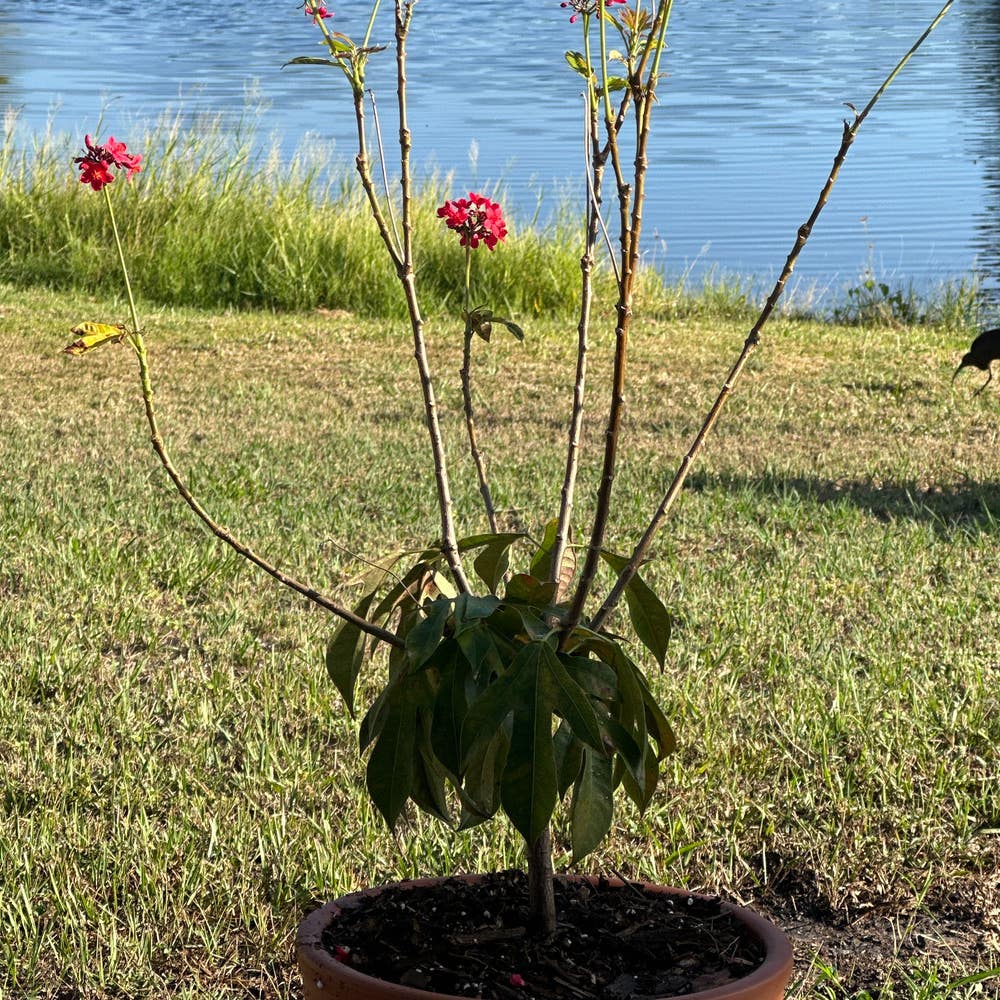
In the pruning world, Berlandier's Nettlespurge demands a keen eye. Dead or diseased branches? They're out. Overgrown limbs that throw off the plant's mojo? Chop 'em. Look for leaves that have given up the ghost, stems that have seen better days, and any growth that's more of a liability than an asset.
🌱 Pruning Techniques Specific to Berlandier's Nettlespurge
Step 1: Gear up with sharp tools. Dull blades are a no-go; they're like trying to slice a tomato with a spoon.
Step 2: Spot the offenders. Target branches that are dead, damaged, or just plain out of place.
Step 3: Clean cuts are key. Snip close to the main stem, but leave a tiny bit of the base to avoid damaging the plant's core.
Step 4: Thin out the crowd. If it's getting too bushy, selectively remove some stems to let light and air play nice with the inner foliage.
Step 5: Encourage new growth. Prune just above a leaf node to get the plant to branch out, literally.
Step 6: Keep it balanced. Aim for a shape that's not too wild, not too tame, but just right for your space and taste.
Remember, every snip is a decision. Make it count.
Pruning with Purpose
🌱 Shaping for Show
Pruning Berlandier's Nettlespurge isn't just about snipping away; it's about crafting beauty. The goal is to enhance the plant's star-like form, creating a visual feast that's both natural and striking. Visualize the desired shape before you cut, and proceed to remove any excess growth that detracts from the plant's inherent elegance. Remember, each cut is a deliberate stroke in the masterpiece you're sculpting.
🩺 Health is Wealth
When it comes to plant health, pruning is your go-to tool. By removing dead or diseased branches, you're not just tidying up; you're safeguarding your plant's vitality. It's about improving airflow, increasing light penetration, and preventing the spread of any potential maladies. Think of it as a strategic move to bolster your plant's immune system, ensuring that every snip translates to a stronger, more resilient Berlandier's Nettlespurge.
Keeping It Under Control
🌿 Managing Plant Size and Spread
Berlandier's Nettlespurge can be like a teenager at a buffet - left unchecked, it'll spread everywhere. Pruning is your ticket to keeping it polite at the garden party.
🌱 Techniques to Prevent Overcrowding
- Thinning: Remove entire branches to improve air circulation and reduce density. This isn't just a cosmetic fix; it's about giving your plants room to breathe.
- Heading Back: Trim the tips of branches. It's like telling your plant, "You're growing up too fast!" and coaxing it into a fuller, more compact shape.
- Selective Pruning: Be the bouncer of your garden. Cut out any branches that are crossing or growing out of bounds to maintain order.
🌱 Encouraging Healthy Re-growth
After you've played the tough love card with your pruning shears, it's time to foster a supportive environment for new growth.
- Aftercare: Post-pruning, show your plants some TLC. A bit of water, a whisper of fertilizer, and a touch of mulch go a long way.
- Regular Monitoring: Keep an eagle eye on your Nettlespurge. Quick snips here and there prevent a jungle takeover and encourage a bushier demeanor.
- Seasonal Timing: Time your pruning sessions with the plant's growth cycle in mind. It's about syncing with nature's rhythm, not fighting it.
Remember, pruning isn't just about cutting back; it's about guiding your Berlandier's Nettlespurge toward its best self.
⚠️ Safety First
This content is for general information and may contain errors, omissions, or outdated details. It is not medical, veterinary advice, or an endorsement of therapeutic claims.
Always consult a qualified healthcare professional before using any plant as food, medicine, or supplement.
Never eat any plant (or feed one to pets) without confirming its identity with at least two trusted sources.
If you suspect poisoning, call Poison Control (800) 222-1222, the Pet Poison Helpline (800) 213-6680, or your local emergency service immediately.
Spotted an error? Please report it here.
Prune your Berlandier's Nettlespurge into perfection 🌿 with Greg's tailored reminders for the right time to snip, ensuring a stunning display of health and blooms!