Best Soil for Berlandier's Nettlespurge
Jatropha cathartica
By the Greg Editorial Team
Apr 28, 2024•4 min read
This article was created with the help of AI so we can cover more plants for you. May contain errors. See one? Report it here.
- Well-draining soil is key for Berlandier's Nettlespurge health.
- DIY mix: perlite, peat moss, and coarse sand.
- Maintain pH 6.0-7.0 for optimal nutrient uptake.
Spotting Trouble: When Soil Goes Bad
🚩 Signs Your Soil is Unhappy
Mold in your soil is not a good look. It's a telltale sign that your watering habits are more overzealous than a kid in a candy store. Fuzzy growths or a musty smell are the soil's way of crying out for an intervention.
Compacted soil is just as bad, choking out your plant's roots like a too-tight necktie. If water pools on the surface like a mini pond, you've got a compaction situation. And waterlogged soil? It's like forcing your plant's roots to live in a swamp. Not cool.
Turning Things Around
Got mold? Cut back on the H2O and crank up the airflow. It's like opening the windows after burning the toast—necessary and effective. If the soil's still throwing a tantrum, consider repotting with a mix that's more about drainage and less about drowning.
Aerating soil is like giving your plant's roots room to stretch after a long flight. They'll thank you for the extra space with vigorous growth. If you're dealing with a compaction crisis, get down and dirty—mix in some perlite or coarse sand to loosen things up.
The Perfect Soil Match for Your Nettlespurge
🌱 What Berlandier's Nettlespurge Loves
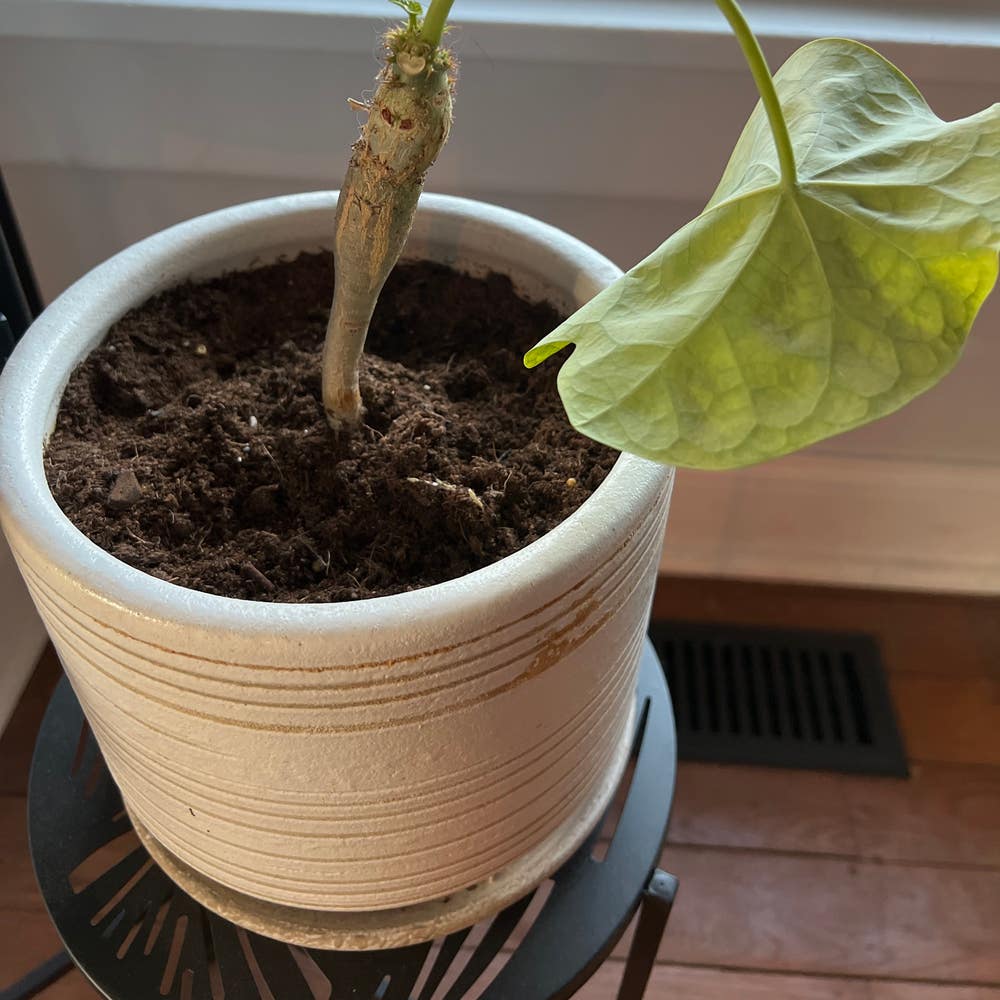
Berlandier's Nettlespurge demands well-draining soil. It's all about balance: retaining moisture without becoming waterlogged. The ideal soil mix should be a lightweight champion, providing a breathable environment for roots to flourish. Organic matter is key, offering a buffet of nutrients while aiding moisture retention.
🛍 Store-Bought vs. Homemade: Soil Shopping Guide
When facing the soil aisle, your eyes should dart to bags boasting peat moss and perlite. These ingredients are non-negotiable for your Nettlespurge's well-being. Store-bought mixes offer convenience, but watch out for unwanted pests and excess chemicals.
For the DIY enthusiasts, crafting your own soil mix is like being the architect of your plant's destiny. Start with peat moss for moisture, add perlite for aeration, and throw in some coarse sand to keep things loose. Each ingredient plays a pivotal role, like cast members in a blockbuster plant movie.
Remember, your Nettlespurge isn't looking for a soil mix that reads like a periodic table. Keep it simple, keep it organic, and you'll be on your way to a happy plant.
DIY Soil Mix: Your Nettlespurge's Dream Home
🌱 The Recipe for Success
Creating the ideal soil mix for Berlandier's Nettlespurge isn't just about throwing dirt into a pot. It's a craft, a bit like making the perfect cocktail, but for plants. You'll need three key ingredients: perlite, peat moss, and coarse sand.
- Start with 1 part perlite; think of it as the ice that keeps the roots' drink cool and well-drained.
- Add in 1 part peat moss to hold onto just the right amount of moisture—like the vermouth that balances out the drink.
- Finally, mix in 1 part coarse sand for that extra drainage, ensuring the roots aren't swimming in water.
Tailoring the Mix
Now, here's where you can show off your green thumb intuition. Your home isn't a one-size-fits-all, and neither is your soil mix. If your place is more humid than a Louisiana swamp, cut back on the peat moss. Dry as the Sahara? Let the peat moss take center stage.
- Increase perlite or sand if your mix feels like a wet sponge—too much water is a no-go.
- If the mix dries out faster than your phone battery, add more peat moss to retain that precious moisture.
- Consider the seasons—your mix might need a tweak depending on whether you're in the depths of winter or the heights of summer.
Remember, you're not just mixing soil; you're engineering a micro-habitat. Get it right, and your Berlandier's Nettlespurge will be throwing a root party in no time.
Keeping the Balance: pH and Your Plant
💧 Why pH Matters
Soil pH isn't just a number; it's the gatekeeper of nutrient uptake. Berlandier's Nettlespurge needs a pH sweet spot, typically between 6.0 and 7.0, to feast on the nutrients in the soil. Stray too far from this range, and it's like putting a 'Do Not Enter' sign on the plant's dinner table.
🧪 Testing and Adjusting
Test, don't guess. Whip out a pH meter or a simple testing kit to get the lowdown on your soil's status. If the pH is off, it's time to play soil scientist. Too acidic? A sprinkle of lime will raise the pH. Too alkaline? Sulfur or peat moss will lower it. Remember, go slow—your plant's not a fan of sudden change.
⚠️ Safety First
This content is for general information and may contain errors, omissions, or outdated details. It is not medical, veterinary advice, or an endorsement of therapeutic claims.
Always consult a qualified healthcare professional before using any plant as food, medicine, or supplement.
Never eat any plant (or feed one to pets) without confirming its identity with at least two trusted sources.
If you suspect poisoning, call Poison Control (800) 222-1222, the Pet Poison Helpline (800) 213-6680, or your local emergency service immediately.
Spotted an error? Please report it here.
Avoid overwatering and achieve the ideal soil pH for your Berlandier's Nettlespurge with Greg's custom watering plans and reminders 🌱, ensuring your plant's roots are as healthy as the leaves above.