Dealing with Droopy Leaves on Your Berlandier's Nettlespurge
Jatropha cathartica
By the Greg Editorial Team
Jul 21, 2024•4 min read
This article was created with the help of AI so we can cover more plants for you. May contain errors. See one? Report it here.
- Water wisely: Over/underwatering causes droopy leaves on Berlandier's Nettlespurge.
- Regulate environment: Proper light and temperature prevent leaf droopiness.
- Prune and maintain: Timely pruning and care keep leaves perky.
Identifying Causes
🌊 Underwatering Effects
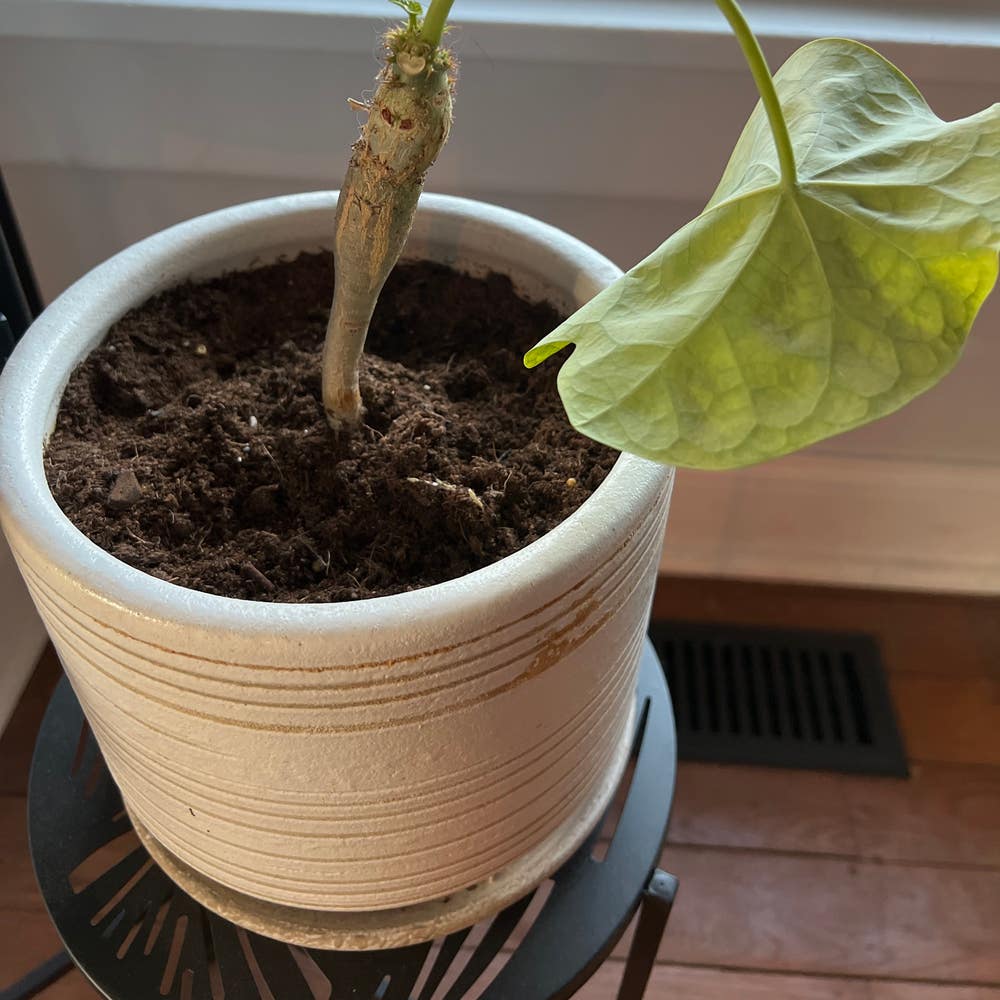
- Wilting leaves and dry soil are telltale signs of underwatering in Berlandier's Nettlespurge.
- Leaves may appear lifeless and droop as the plant's cells lack sufficient water to maintain their structure.
💦 Overwatering Impact
- Symptoms of overwatering include soggy soil and a musty smell, leading to limp leaves.
- Excess water can cause root rot, preventing the plant from absorbing the water and nutrients it needs, resulting in droopy leaves.
🌞 Light and Temperature Factors
- Berlandier's Nettlespurge requires the right balance of light; too much causes leaf scorch, while too little leads to stretching and droopiness.
- Keep the temperature consistent, avoiding sudden changes that can stress the plant and cause leaves to wilt.
😰 Stress Responses
- Environmental stress, such as improper light levels, temperature fluctuations, and poor soil conditions, can lead to droopy leaves.
- Care-related stress, like irregular watering or incorrect pot size, also contributes to the problem.
Implementing Solutions
💧 Watering Techniques
Watering practices can make or break the health of your Berlandier's Nettlespurge. Here's how to get it right:
- Water when the top inch of soil is dry, using room-temperature water to avoid root shock.
- Ensure your pot has drainage holes to prevent waterlogging, which can lead to droopy leaves.
🌿 Environmental Control
The right environment keeps your plant's leaves perky. Here's what to aim for:
- Bright, indirect light is ideal. Avoid direct sunlight that can scorch the leaves.
- Keep temperatures consistent to prevent environmental stress, which can manifest as droopy leaves.
🌱 Soil and Root Care
Healthy soil equals healthy roots, which equals perky leaves. Follow these tips:
- Use well-draining, nutrient-rich soil to avoid water retention and root rot.
- Consider repotting every 6-12 months in a pot a third larger than the root ball to prevent crowding.
- Mix in perlite or peat moss to improve aeration and drainage if your soil is too dense.
Pruning and Maintenance
🌿 Timely Pruning
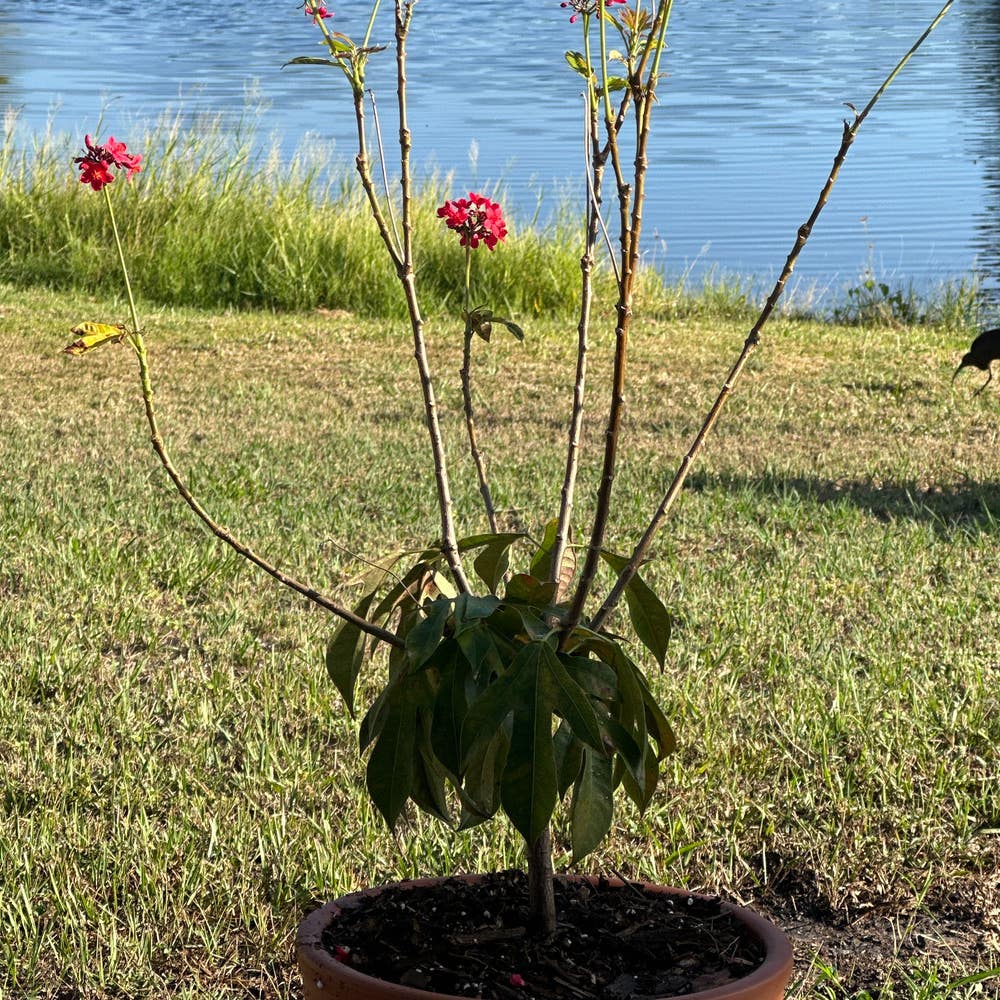
Pruning Berlandier's Nettlespurge isn't just about keeping it tidy; it's crucial for the plant's vitality. Here's how to do it right:
- When to Prune: The best time to prune is in the late winter or early spring, just before the new growth starts. This timing helps direct the plant's energy into producing robust new shoots.
- Pruning Technique: Use clean, sharp shears and make cuts just above a node, where new growth will emerge. Aim to remove only about one-third of the stem length.
- Deadheading: Remove spent flowers to encourage more blooms and prevent the plant from putting energy into seed production.
- Rejuvenation: If your plant looks particularly weary, don't hesitate to cut it back more drastically. This can stimulate a flush of fresh growth and restore its appearance.
🌱 Ongoing Plant Care
Regular maintenance is key to keeping those leaves perky:
- Inspect Regularly: Keep an eye out for early signs of distress, such as yellowing or damaged leaves, and remove them promptly.
- Pest Patrol: Check for uninvited guests like mealybugs, especially under the leaves and near the soil.
- Rotation and Cleaning: Rotate your plant for even growth and give it a gentle cleaning to remove dust and potential pests.
- Weeding: Clear the area around your plant to prevent nutrient-stealing weeds from taking hold.
By incorporating these practices into your routine, you'll not only address droopy leaves but also promote overall plant health and vigor.
Preventing Future Issues
🎶 Consistent Care Routine
Establishing a consistent care routine is like setting a rhythm for your Berlandier's Nettlespurge to dance to. It's about syncing watering, lighting, and feeding to the plant's life cycle and seasonal changes. Here's how to keep the beat:
- Water with regularity, adjusting to the plant's needs and the humidity of your environment.
- Provide balanced light exposure, rotating the plant for even growth.
- Apply fertilizer judiciously, matching the nutritional needs as the seasons shift.
👀 Monitoring and Adjusting
Vigilance is your ally in the quest to prevent droopy leaves. Like a guardian keeping watch, you need to be attentive to the subtle cues your plant gives off. Here's your action plan:
- Conduct regular inspections, looking for changes in leaf texture or color.
- Keep a log of your observations and care adjustments; it's your plant's biography.
- Be ready to pivot your care routine, like a chef adjusting a recipe to taste perfection.
⚠️ Safety First
This content is for general information and may contain errors, omissions, or outdated details. It is not medical, veterinary advice, or an endorsement of therapeutic claims.
Always consult a qualified healthcare professional before using any plant as food, medicine, or supplement.
Never eat any plant (or feed one to pets) without confirming its identity with at least two trusted sources.
If you suspect poisoning, call Poison Control (800) 222-1222, the Pet Poison Helpline (800) 213-6680, or your local emergency service immediately.
Spotted an error? Please report it here.
Keep your Berlandier's Nettlespurge thriving 🌿 with Greg's tailored watering schedules and environmental monitoring, ensuring you never have to worry about droopy leaves again.