Why Are My Berlandier's Nettlespurge Leaves Curling?
Jatropha cathartica
By the Greg Editorial Team
Apr 28, 2024•4 min read
This article was created with the help of AI so we can cover more plants for you. May contain errors. See one? Report it here.
- Watering woes and climate issues lead to leaf curling; adjust care accordingly.
- Pests, deficiencies, and diseases can curl leaves; inspect and treat promptly.
- Consistent care prevents curling: establish watering routines and monitor environment.
Spotting the Signs: When Leaves Take a Turn
🍃 Identifying Curling Leaves
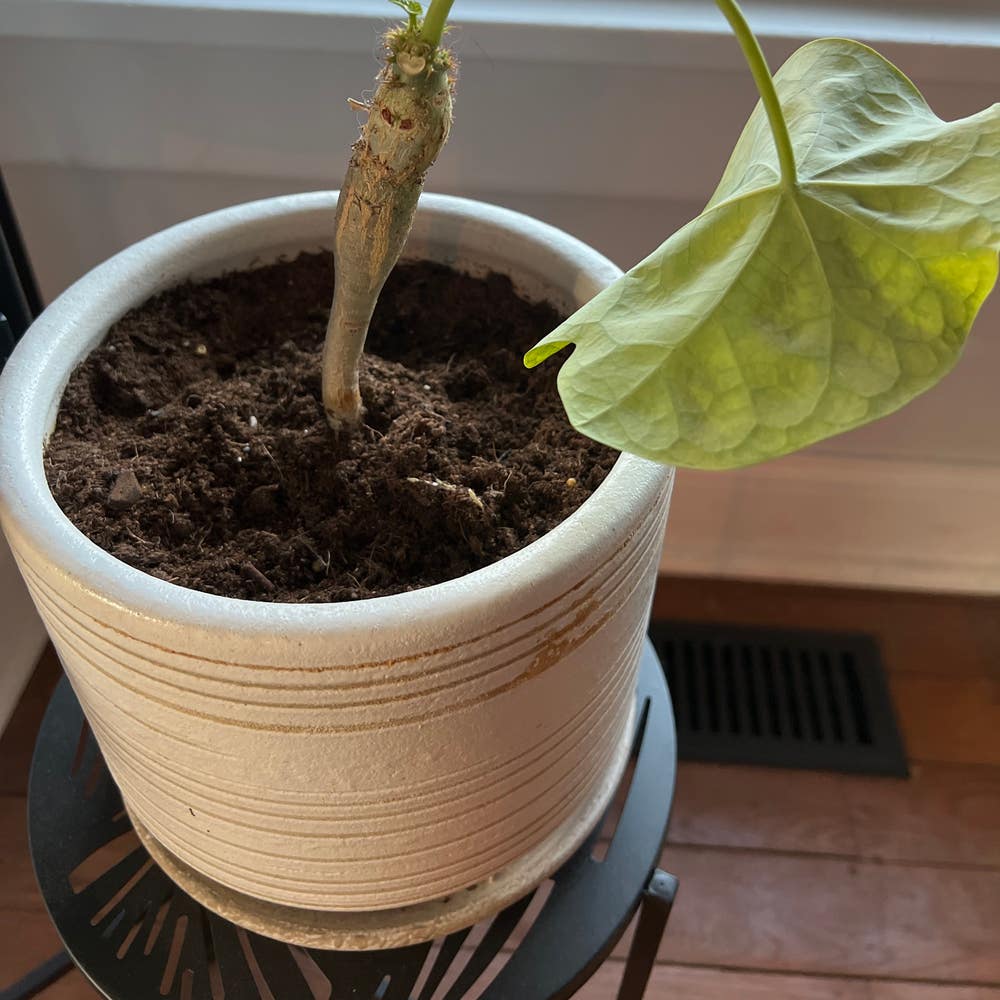
Curling leaves in Berlandier's Nettlespurge aren't just a fashion statement; they're a cry for help. Look for leaves that twist or fold, deviating from their usual flatness. This isn't a plant trying to be avant-garde; it's signaling distress. If your plant's edges start mimicking a crumpled piece of paper, it's time to act.
📐 Assessing the Severity
To gauge the severity of leaf curl, observe the extent of the curling. Are we talking a slight bend or full-on spirals? The more pronounced the curl, the more urgent the need for intervention. Assess the plant's overall health; if it's just the leaves curling, you might be in the clear with a quick fix. But if there are other symptoms like discoloration or stunted growth, you've got a bigger problem on your hands.
Unraveling the Curl: Pinpointing the Culprits
💧 Thirsty Roots or Drowning Sorrows: Watering Woes
Watering can be a fickle friend to Berlandier's Nettlespurge. Overzealous hydration leads to leaves curling down, yellow and limp. Conversely, a drought-stricken plant will have leaves curling up, as if trying to conserve every precious droplet. It's a balance act; your plant's not auditioning for the role of Aquaman or a cactus.
🌞 Too Hot to Handle or Light-Starved: Climate and Lighting Issues
Leaves curling can be a silent scream for climate control. Too much sun and your plant's leaves curl to avoid a crispy fate. Not enough light, and they'll curl, reaching for a sun that's playing hard to get. Temperature tantrums? They cause leaves to curl faster than a bad hair day in humidity.
🐜 Unwanted Guests: Pest Problems
Pests are the party crashers no one wants. Aphids, spider mites, and thrips are the worst kind of freeloaders, causing leaves to curl as they suck the life out. If you spot these tiny terrors, it's time for pest control to bounce them out of the party.
🌿 Starved of Nutrients or Sickly: Deficiency and Disease
Nutrient deficiencies and diseases can turn leaves into a curling mess. Yellow, limp leaves might be crying out for a balanced meal, while spots or powdery mildew are like bad skin days but for plants. It's not just vanity; it's about health. Addressing these issues can uncurl the leaves and restore your plant's self-esteem.
The Comeback: Nursing Your Plant Back to Health
💧 Fine-Tuning Watering Techniques
Adjust your watering routine to combat leaf curl. Ensure the soil is moist but not waterlogged. Use tools like a moisture meter or the finger test to check soil dampness. Remember, overwatering is just as harmful as underwatering.
🌿 Creating the Ideal Berlandier's Nettlespurge Habitat
Modify your plant's environment to prevent further leaf curling. Temperature and humidity are crucial; use a thermometer and hygrometer to monitor conditions. Stability is key—avoid drastic changes that stress the plant.
🐜 Pest Patrol: Keeping the Critters at Bay
Inspect leaves regularly for pests. If you spot any, act swiftly with insecticidal soap or neem oil. Keep the plant area clean and reduce excess moisture to prevent future infestations.
🌱 Feeding and Healing: Nutrient and Disease Management
Address nutrient deficiencies by fertilizing with a gentle hand—too much can cause more harm. For diseases, prune affected areas and sterilize your tools afterward. If severe, consider a fungicide, but always as a last resort.
Staying Ahead: Preventive Measures to Keep Leaves Lush
💧 Consistency is Key: Watering Routines
Establishing a watering schedule is like setting an alarm clock for your plant's thirst. It's not about slavishly following the calendar, but rather tuning into the soil's moisture level. Dry at the top inch? Time to water. Remember, your plant's hydration needs change with the seasons, so adapt your routine accordingly.
🌡 Monitoring and Adjusting: Environmental Vigilance
Keep a steady hand on the thermostat of your plant's life. Too hot, too cold, too dim, too bright—these are the swings that make Berlandier's Nettlespurge leaves curl up in protest. Regularly tweak light and temperature to keep your green buddy in its happy zone.
👀 Vigilant Plant Care: Regular Inspections
Routine check-ups are the secret sauce to leaf lushness. Flip those leaves. Look under the hood. Catching the early signs of pests or disease can save you a world of hurt. It's not paranoia if they're really after your plant. Make inspections a habit, like brushing your teeth, but for plant health.
⚠️ Safety First
This content is for general information and may contain errors, omissions, or outdated details. It is not medical, veterinary advice, or an endorsement of therapeutic claims.
Always consult a qualified healthcare professional before using any plant as food, medicine, or supplement.
Never eat any plant (or feed one to pets) without confirming its identity with at least two trusted sources.
If you suspect poisoning, call Poison Control (800) 222-1222, the Pet Poison Helpline (800) 213-6680, or your local emergency service immediately.
Spotted an error? Please report it here.
Combat leaf curling in your Berlandier's Nettlespurge by monitoring 🕵️♂️ its environment with Greg's PlantVision and get tailored care advice from our plant-loving community.