Your Berlandier's Nettlespurge's Light Needs
Jatropha cathartica
By the Greg Editorial Team
Apr 28, 2024•4 min read
This article was created with the help of AI so we can cover more plants for you. May contain errors. See one? Report it here.
- 🌤️ Morning light and afternoon shade keep Berlandier's Nettlespurge healthy.
- 💡 Use grow lights or south-facing windows for indoor plants.
- 🌱 Adjust light for blooming—bright light encourages flowers.
Basking in the Right Outdoor Glow
🌞 Ideal Sunlight Conditions for Thriving Outdoors
Berlandier's Nettlespurge hits its growth stride under bright, indirect light. Think of the dappled sunlight of its natural habitat as the gold standard. The plant's color and vigor are your cues; lush greenery means you've nailed it, while wilted or discolored leaves are a red flag. Morning light is particularly beneficial, providing the intensity needed without the harshness of midday rays.
🛡️ Shielding from the Scorch
When the sun climbs high and the light intensifies, it's time to play defense. Afternoon shade is crucial to prevent the equivalent of a plant sunburn. Look for signs of distress, like crispy leaf margins, as an SOS for more shade. Creative solutions like a plant parasol or positioning near taller plants can offer respite from the midday blaze. Remember, a little shade goes a long way in keeping your Berlandier's Nettlespurge from frying.
Setting Up the Perfect Indoor Light Scene
🌞 Windowsill Wisdom
Finding the optimal spot for your Berlandier's Nettlespurge indoors isn't rocket science, but it's close. A south-facing window is your plant's best friend in the Northern Hemisphere, offering a buffet of bright light. Yet, don't get complacent; those rays can pack a punch. Rotate your plant regularly to avoid the dreaded one-sided tan and consider sheer curtains to soften any harsh midday light.
🌅 When to Shuffle Your Plant
As the sun plays hide and seek throughout the day, your Berlandier's Nettlespurge might need a quick shuffle. Morning light is gentle, so an east-facing window is like a cozy nook for your green buddy. But as the day progresses, you might want to relocate it to avoid the afternoon glare, especially in the warmer months.
💡 Artificial Sun: Grow Lights to the Rescue
When your windows are more dungeon than daylight, grow lights are the knight in shining armor. Full-spectrum bulbs are the go-to, giving your plant the light spectrum it craves without the sunburn. LEDs are the cool kids on the block, energy-efficient and long-lasting.
🏮 Setting Up Your Grow Lights
Hang those lights like you're setting the mood for a chill hangout, not an interrogation room. About a foot above your plant should do the trick, but keep an eye out for signs of distress. If your plant starts to look like it's in a tanning bed, dial it back. And seriously, get a timer. It'll automate your artificial sunrise and sunset, keeping your plant's circadian rhythm in check.
Light's Role in the Blooming Bonanza
🌸 Syncing Light with Berlandier's Nettlespurge Flowering Cycle
Berlandier's Nettlespurge, like a botanical barista, crafts its blooms with a precise blend of light and timing. To witness the floral spectacle, you'll need to understand the light-flowering connection.
🌼 Understanding the Light-Flowering Connection
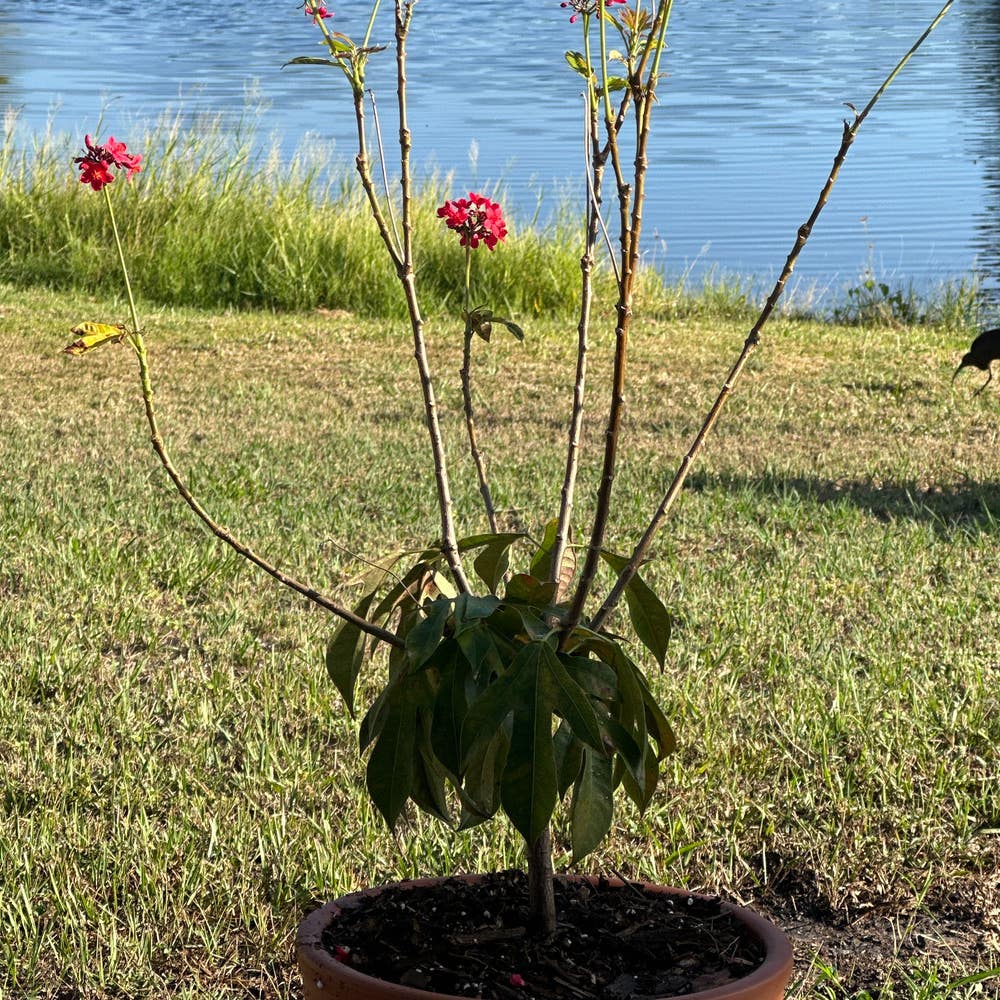
In the grand theater of growth, light is the director cueing Berlandier's Nettlespurge to take center stage and bloom. Bright light is non-negotiable; it's the green light for flower production. However, during the plant's dormancy, typically in the heat of summer, dial back the light to match its natural rest period.
🌱 Adjusting Light to Encourage Blooming
To encourage your Berlandier's Nettlespurge to bloom, mimic the natural progression of seasons by gradually increasing light exposure as the blooming period approaches. If you're indoors, consider a full-spectrum grow light to fill in for the sun's lead role. Remember, it's not just about intensity; duration counts too. Consistent, uninterrupted light cycles are like setting a reliable alarm clock for the plant's internal rhythm.
Outdoor enthusiasts, choose a spot with morning sunlight and afternoon shade to prevent the dreaded leaf scorch. Indoors, rotate your plant to ensure even light exposure and consider moving it to catch the optimal light throughout the day. Post-bloom, deadheading is like hitting the reset button, telling your plant, "Alright, let's go for another round."
If you've tuned the light just right and still no show, patience is your ally. Sometimes, these plants need a little more time to get their act together. Keep the light consistent, keep it bright (but not too bright), and stay tuned for a floral performance that's worth the wait.
⚠️ Safety First
This content is for general information and may contain errors, omissions, or outdated details. It is not medical, veterinary advice, or an endorsement of therapeutic claims.
Always consult a qualified healthcare professional before using any plant as food, medicine, or supplement.
Never eat any plant (or feed one to pets) without confirming its identity with at least two trusted sources.
If you suspect poisoning, call Poison Control (800) 222-1222, the Pet Poison Helpline (800) 213-6680, or your local emergency service immediately.
Spotted an error? Please report it here.
Watch your Berlandier's Nettlespurge flourish 🌟 with Greg's smart reminders and precise light metering, ensuring just the right sun and shade for those perfect blooms.