How to Get a Berlandier's Nettlespurge to Bloom
Jatropha cathartica
By the Greg Editorial Team
Apr 28, 2024•5 min read
This article was created with the help of AI so we can cover more plants for you. May contain errors. See one? Report it here.
- Bright, indirect light is key for Berlandier's Nettlespurge to bloom.
- Prune late winter/early spring to encourage more blooms.
- Adjust care with seasons for the plant's changing needs.
Creating the Perfect Bloom-Boosting Environment
💡 Light: The Bloom Igniter
Berlandier's Nettlespurge craves bright, indirect light to kickstart its blooming phase. Direct sunlight can be too harsh, so aim for a spot that bathes the plant in gentle morning rays followed by diffused afternoon light.
For those relying on artificial lighting, LED grow lights can be a lifesaver. Position them strategically to avoid leaf burn, and maintain a 12-14 hour light cycle to simulate a day's full arc.
🌡️ Temperature: The Bloom's Comfort Zone
The sweet spot for temperature lies between 65-75°F (18-24°C). This range encourages the Nettlespurge to produce its vibrant flowers. Be mindful of seasonal changes; indoor growers should adjust their thermostats to avoid drastic fluctuations that can deter blooming.
💨 Humidity and Air Flow: The Silent Bloom Supporters
Humidity levels should hover around 40-60% for optimal flower health. Too low, and blooms may wither; too high, and you risk fungal issues. Use a hygrometer to keep tabs on moisture levels.
Good air circulation is crucial to keep the blooms fresh and disease-free. A gentle fan or an occasional crack of a window can provide the necessary airflow. Remember, stagnant air is the enemy of a thriving Nettlespurge.
Feeding Your Nettlespurge for Fabulous Flowers
💪 The Right Soil Mix
Soil is the unsung hero of the blooming world. For Berlandier's Nettlespurge, think gourmet restaurant for roots. A well-draining, rich soil mix is your ticket to bloom town. Mix in some organic matter like coco coir or sphagnum moss to keep the soil's texture just right—airy yet moist.
🍹 Nutrient Cocktail for Colorful Blooms
Nutrients are like the plant's personal trainer, getting it in shape for the floral show. A balanced fertilizer—think 5-10-5 ratio—is your go-to. Apply it sparingly; overfeeding is the botanical equivalent of a sugar crash. If your Nettlespurge starts sporting yellow leaves, it's crying out for a nutrient boost.
Timing is crucial. Serve up this nutrient cocktail during the active growth phase, typically in spring. It's like ringing the dinner bell for your plant's blooming ambitions. Watch for feedback—lush green growth is good, but if there's no sign of flowers, you might be overdoing the nitrogen. Remember, balance is key; you're aiming for a floral fiesta, not just a leafy shindig.
Pruning and Care: Sculpting for Spectacular Spurges
🌱 Pruning for Prosperous Blooms
Timing is everything when it comes to pruning Berlandier's Nettlespurge. The best moment to wield your shears is in the late winter or early spring, just before the onset of the growth season. This sets the stage for the plant's energy to be channeled into producing those sought-after blooms.
Sharp, clean cuts are your best friend here. Snip above a leaf node to encourage branching, which in turn can lead to more flowers. Remember, it's not about hacking away at your plant; it's about strategic snips that act like a pep talk, telling your Nettlespurge, "Hey, it's showtime!"
🌼 Routine Maintenance for Continuous Blooms
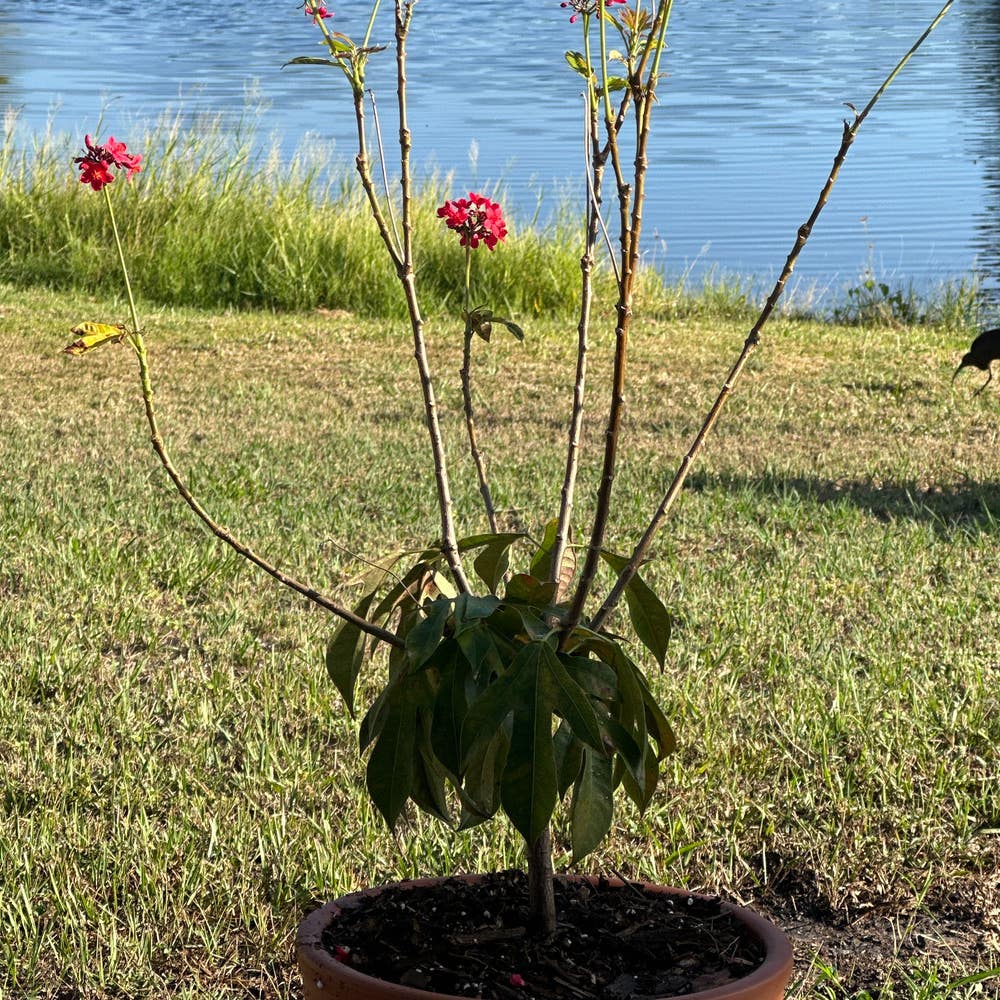
Consistent care is the secret sauce for a Nettlespurge that doesn't quit. Deadheading spent flowers is like cleaning up after a party—it tells your plant the fun's not over and to keep the blooms coming.
Airflow and cleanliness can't be overlooked. Remove dead or yellowing leaves to prevent disease and keep the air moving. It's like setting the stage for an encore performance by your plant.
Regular maintenance tasks ensure your Nettlespurge doesn't get lazy. Keep it on its toes with the occasional trim and tidying up, and it'll reward you with a floral display that could make a cactus jealous. Remember, you're not just a plant owner; you're a backstage crew prepping for the main event.
Solving the Bloom Dilemmas
🌸 When Blooms Play Hard to Get
Berlandier's Nettlespurge can be stubborn when it comes to blooming. Let's troubleshoot.
🕵️ Identifying Non-Blooming Culprits
Light is crucial. Too little, and your plant slacks off; too much, and it's sunburnt. Find that sweet spot of bright, indirect light. Nutrient balance is key. An excess of nitrogen might give you lush leaves, but at the expense of blooms. Switch to a phosphorus-rich fertilizer to encourage flowers. Watering must be just right. Overwatering leads to root rot, under-watering to drought stress. Aim for consistent moisture.
🛠️ Quick Fixes for Common Bloom Barriers
Prune strategically. Remove old growth to redirect energy to potential blooms. Adjust your care routine with the seasons. Your Nettlespurge's needs change throughout the year. If pests are gatecrashing, show them out promptly. They're notorious for hijacking your plant's energy.
🎯 Fine-Tuning Your Bloom Strategy
Sometimes, despite your best efforts, blooms are elusive. It's time to fine-tune.
🛠️ Adjusting Care to Overcome Challenges
Reassess your lighting. If your plant's leaves are lackluster, it might need more light. Fertilization should be a delicate dance. Too much and you're spoiling the plant, too little and it's starved. Pruning is an art. Don't go wild with the shears; think of it as a strategic sculpting.
🕵️ When to Seek Professional Help
If you've played plant doctor and still no joy, it might be time to call in a horticulturist. They're like plant detectives, able to spot issues you might miss. Remember, patience is part of the game. Some plants simply need time to mature before they're ready to put on a show.
Keep a close eye, adjust as needed, and your Berlandier's Nettlespurge should eventually grace you with its vibrant blooms.
⚠️ Safety First
This content is for general information and may contain errors, omissions, or outdated details. It is not medical, veterinary advice, or an endorsement of therapeutic claims.
Always consult a qualified healthcare professional before using any plant as food, medicine, or supplement.
Never eat any plant (or feed one to pets) without confirming its identity with at least two trusted sources.
If you suspect poisoning, call Poison Control (800) 222-1222, the Pet Poison Helpline (800) 213-6680, or your local emergency service immediately.
Spotted an error? Please report it here.
Experience the joy of blooming Berlandier's Nettlespurge 🌼 as Greg fine-tunes your plant care, from light to nutrients, for a show-stopping floral display.