Ultimate Guide to Growing Dieffenbachia 'Panther'
Dieffenbachia 'Panther'
By the Greg Editorial Team
Sep 29, 2024•5 min read
This article was created with the help of AI so we can cover more plants for you. May contain errors. See one? Report it here.
Master essential care techniques to cultivate a thriving Dieffenbachia 'Panther' and elevate your indoor garden! 🌱
- 🌞 Dieffenbachia 'Panther' thrives in bright, indirect light; low light is tolerable.
- 🌡️ Optimal temperature range is 65°F to 80°F for healthy growth.
- 💧 Humidity above 50% is crucial; use humidity trays in dry climates.
Choosing the Right Location
Light Requirements 🌞
Dieffenbachia 'Panther' thrives in bright, indirect light. While it can tolerate low light, optimal growth occurs in well-lit areas, enhancing its vibrant foliage.
Inadequate light can lead to etiolation, where the plant stretches towards the light source, resulting in weak stems and sparse leaves. This not only affects aesthetics but also stunts overall growth.
Temperature and Humidity Preferences 🌡️
The ideal temperature range for Dieffenbachia is between 65°F to 80°F (18°C to 27°C). Keeping your plant within this range ensures it remains healthy and vibrant.
Humidity is crucial, with a preference for levels of 50% or more. To maintain this, consider using humidifiers or placing pebble trays filled with water beneath your pots. This simple adjustment can make a significant difference in your plant's health.
By ensuring the right light, temperature, and humidity, you set the stage for a thriving Dieffenbachia. Next, let’s delve into soil preparation to provide the perfect foundation for your plant.
Soil Preparation
Ideal Soil Mix 🌱
To ensure your Dieffenbachia 'Panther' thrives, start with the right soil mix. A blend of peat moss, perlite, and pine bark creates a well-aerated environment that promotes healthy root growth.
Proper drainage is crucial. Without it, your plant risks root rot, which can quickly turn a vibrant green beauty into a sad, wilting mess.
pH Levels ⚗️
Next, pay attention to the pH levels of your soil. The optimal range for Dieffenbachia is between 5.5 and 7.0, which supports nutrient availability and overall plant health.
Testing soil pH is straightforward. You can use pH test strips or a digital pH meter for accurate readings, ensuring your plant gets the best possible start.
With the right soil mix and pH balance, your Dieffenbachia will be set for success. Now, let’s dive into the best planting techniques to give your plant the perfect home.
Planting Techniques
🌱 Container vs. Outdoor Planting
Container gardening offers fantastic mobility and control over your Dieffenbachia 'Panther'. You can easily move your plant to optimize light conditions or protect it from harsh weather.
On the other hand, outdoor planting requires careful consideration of climate and soil conditions. Ensure your local environment supports the plant's needs for optimal growth.
📏 Spacing and Depth Considerations
When planting multiple Dieffenbachia, aim for a spacing of 2-3 feet apart. This distance allows each plant to thrive without competing for resources.
For planting depth, make sure the root ball is level with the soil surface. This positioning helps prevent issues like root rot and ensures your plant establishes itself well.
With these planting techniques in mind, you're well on your way to cultivating a vibrant Dieffenbachia 'Panther'. Next, let’s dive into the essential aspects of watering and fertilizing your plant for continued health and growth.
Watering and Fertilizing
💧 Watering Guidelines
Watering your Dieffenbachia 'Panther' is crucial for its health. Aim to water when the top inch of soil feels dry to the touch.
Overwatering can lead to yellowing leaves and mushy stems, signaling distress. Conversely, underwatering manifests as wilting leaves and dry soil, which can also harm your plant.
📅 Fertilizing Schedule
Choosing the right fertilizer can make a significant difference. Opt for a balanced liquid fertilizer or slow-release granules to nourish your plant effectively.
During the growing season, fertilize monthly to support robust growth. In winter, reduce feeding frequency, allowing your plant to rest and rejuvenate.
With proper watering and fertilizing, your Dieffenbachia will thrive, setting the stage for advanced care techniques.
Common Challenges and Solutions
Identifying Common Problems 🌿
Yellowing leaves on your Dieffenbachia can be a sign of several issues. Overwatering is often the culprit, leading to root rot, while underwatering can also cause stress, so it's essential to find a balance.
Leaf drop is another common concern. This can happen due to sudden temperature changes or inadequate light, so ensure your plant is in a stable environment.
Pest Management 🐞
Dieffenbachia can attract pests like spider mites, aphids, and mealybugs. Regularly inspecting your plant can help catch these nuisances early.
For pest control, consider using organic options like neem oil or insecticidal soap. These methods are effective and safer for both your plant and the environment.
Disease Prevention 🦠
Fungal and bacterial diseases, such as root rot and leaf spot, can pose serious threats to your plant's health. Maintaining proper watering techniques is crucial to prevent these issues.
Additionally, ensure good air circulation around your Dieffenbachia. This simple step can significantly reduce the risk of disease, keeping your plant thriving.
By addressing these common challenges, you can enjoy a healthy and vibrant Dieffenbachia. Next, let’s explore advanced care techniques to take your plant care to the next level.
Advanced Care Techniques
Propagation Methods 🌱
Propagation is a fantastic way to expand your Dieffenbachia collection. Here’s a straightforward guide to successful stem cuttings.
Selecting Healthy Stems: Choose stems that are 4-6 inches long. Look for vibrant, green growth without any signs of disease.
Rooting Medium: Use a well-draining mix. A combination of peat moss and perlite works wonders for encouraging root development.
Rooting Time: Expect rooting to take about 4-6 weeks in optimal conditions. Keep the cuttings warm and humid for the best results.
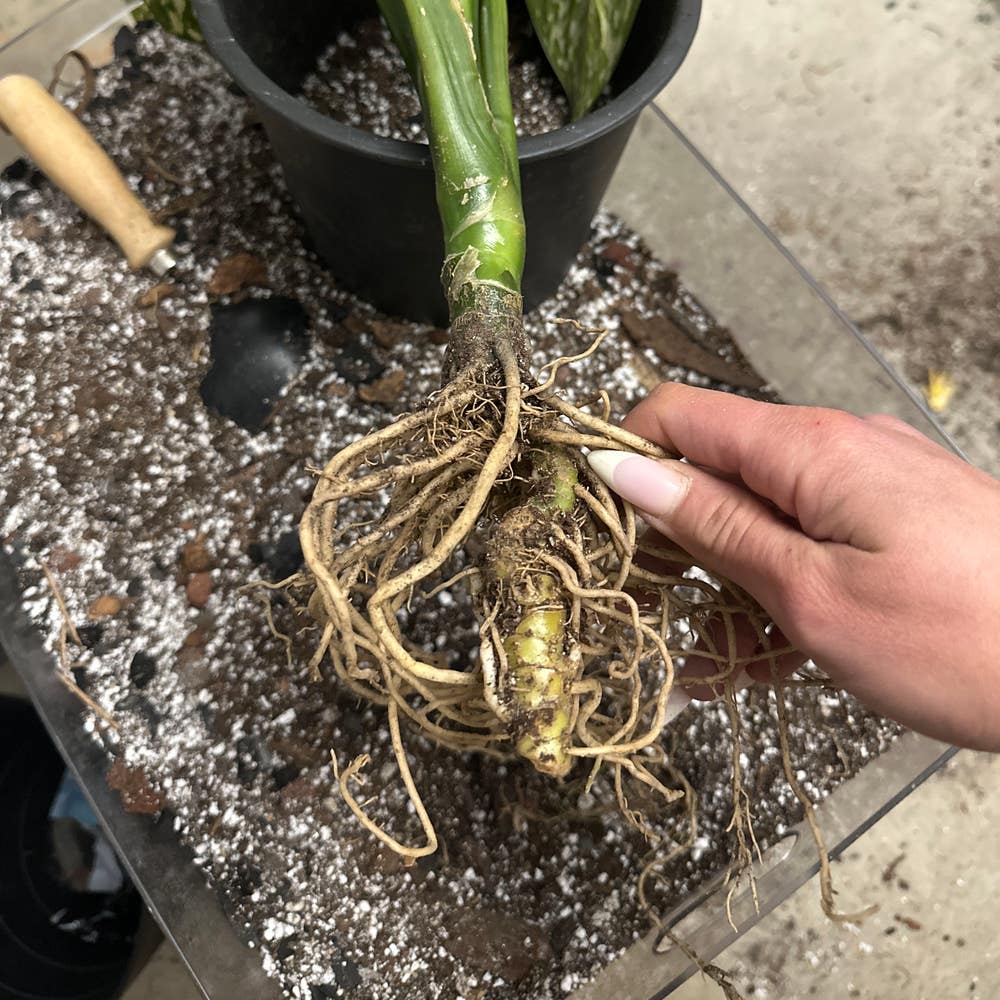
Dividing larger plants is another effective propagation method, though it’s a bit more challenging. Aim to divide when the plant has outgrown its pot, ensuring each division has healthy roots and stems.
Environmental Adjustments 🌍
Creating the right environment is crucial for your Dieffenbachia's health. Start with humidity and temperature control.
Humidity Control: Use humidity trays filled with water and pebbles to maintain moisture levels. This is especially important in dry climates.
Temperature Management: Keep your plant in a space where temperatures range between 65°F to 80°F (18°C to 27°C). A thermostat can help maintain this range.
Light adjustments are equally important for optimal growth. Rotate your plants regularly to ensure they receive even light exposure. This simple action can prevent uneven growth and promote a fuller appearance.
With these advanced care techniques, your Dieffenbachia will thrive, setting the stage for a vibrant indoor garden. Next, let’s tackle common challenges and solutions to keep your plant in top shape.
⚠️ Safety First
This content is for general information and may contain errors, omissions, or outdated details. It is not medical, veterinary advice, or an endorsement of therapeutic claims.
Always consult a qualified healthcare professional before using any plant as food, medicine, or supplement.
Never eat any plant (or feed one to pets) without confirming its identity with at least two trusted sources.
If you suspect poisoning, call Poison Control (800) 222-1222, the Pet Poison Helpline (800) 213-6680, or your local emergency service immediately.
Spotted an error? Please report it here.
Nurture your Dieffenbachia 'Panther' to lush perfection 🌿 with Greg's tailored care reminders that keep its light, temperature, and humidity just right!