🌼 Dieffenbachia 'Panther': Not an Invasive Plant
Dieffenbachia 'Panther'
By the Greg Editorial Team
Sep 29, 2024•5 min read
This article was created with the help of AI so we can cover more plants for you. May contain errors. See one? Report it here.
Enhance your garden sustainably with Dieffenbachia 'Panther' 🌱—a beautiful, non-invasive choice for eco-conscious gardeners!
- 🌱 Dieffenbachia 'Panther' is non-invasive, ensuring safety for local ecosystems.
- 🌿 This plant thrives in indirect light and high humidity, perfect for diverse gardens.
- 🐝 Supports biodiversity by attracting beneficial insects and providing wildlife habitat.
Plant Classification
Definition of Invasive Plants 🌱
Invasive plants are species that exhibit rapid growth and spread beyond their intended areas. They often disrupt local ecosystems, outcompeting native species and causing significant ecological harm.
Why Dieffenbachia 'Panther' is Not Invasive 🌼
Dieffenbachia 'Panther' boasts a non-invasive growth habit, typically remaining confined to its planted area. It does not spread aggressively, allowing native flora to thrive alongside it without competition.
This makes Dieffenbachia 'Panther' an excellent choice for gardeners looking to enhance their spaces without risking ecological balance. As we explore its growth habits next, you'll see how this plant can fit beautifully into your garden design.
Growth Habits
🌱 Typical Growth Patterns in Gardens
Dieffenbachia 'Panther' exhibits a moderate growth rate. Under optimal conditions, it can develop lush, vibrant foliage that enhances any garden space.
This plant thrives in indirect light and high humidity. With the right care, it can reach heights of up to 3 feet, making it a versatile choice for various garden designs.
🌍 Natural Limits to Growth and Spread Potential
Several environmental factors influence the growth of Dieffenbachia 'Panther'. It prefers well-draining soil rich in organic matter to flourish.
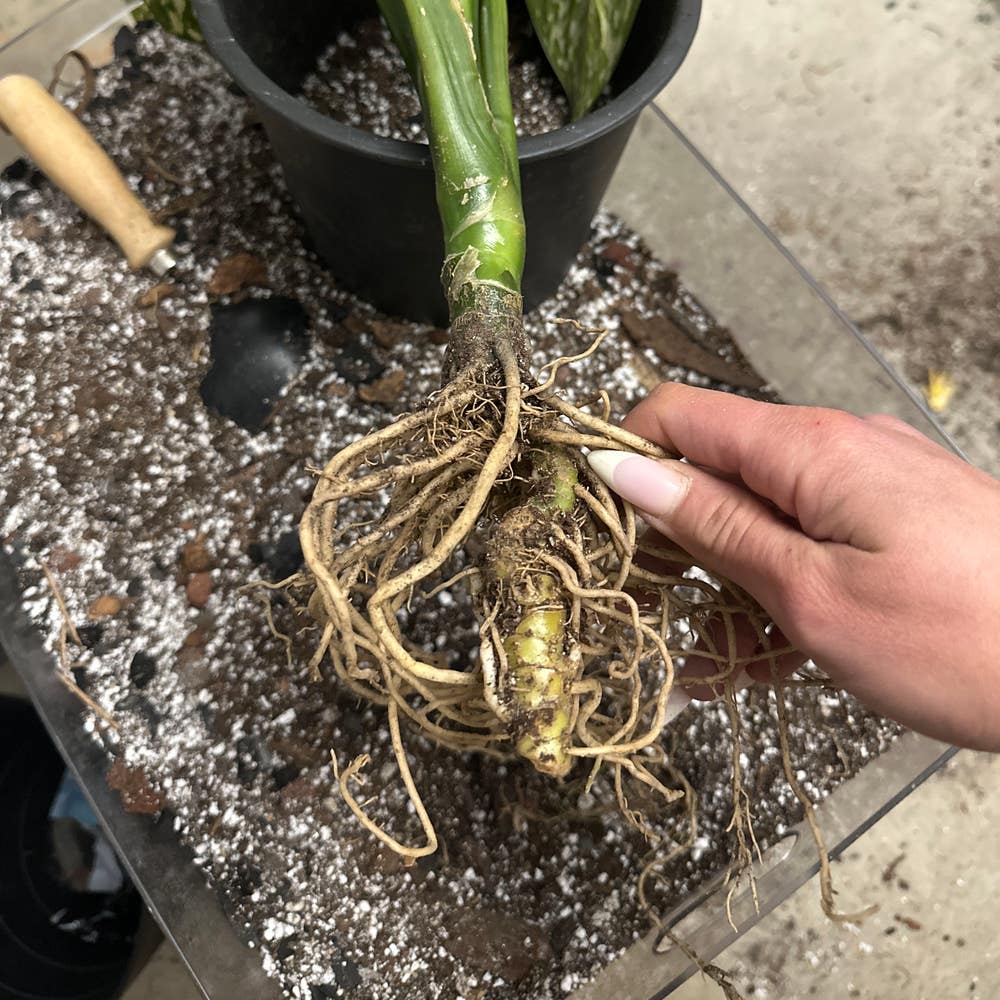
Watering is crucial; the plant needs regular moisture but should never be waterlogged. Its root system is non-aggressive, typically remaining contained within the planting area, which helps prevent unwanted spread.
In summary, Dieffenbachia 'Panther' is an excellent choice for gardeners seeking a beautiful, manageable plant. Its growth habits make it easy to incorporate into diverse garden settings, paving the way for the next section on its ecological role.
Ecological Role
Benefits in Ecosystems 🌱
Dieffenbachia 'Panther' is more than just a pretty face; it plays a vital role in improving indoor air quality. This plant excels at removing toxins, making your living space healthier and more inviting.
Additionally, it contributes to biodiversity by providing habitat and food sources for local wildlife. Its lush foliage creates a sanctuary for various creatures, enriching the ecosystem around it.
Positive Interactions with Local Wildlife 🐝
One of the standout features of Dieffenbachia 'Panther' is its ability to attract beneficial insects. Pollinators like bees and butterflies are drawn to its vibrant presence, promoting a thriving garden environment.
Moreover, this plant is compatible with other flora, making it an excellent choice for companion planting. By grouping it with other non-invasive species, you can enhance the overall health and aesthetics of your garden.
Incorporating Dieffenbachia 'Panther' into your garden not only beautifies your space but also supports local ecosystems. As we explore garden management next, consider how this plant can fit into your design plans.
Garden Management
Incorporating into Garden Designs 🌿
Dieffenbachia 'Panther' can serve as a stunning focal point in shaded areas, adding a tropical flair to your garden. Consider grouping it with other non-invasive plants to create a harmonious and visually appealing landscape.
Ideal placements include spots under trees or in areas with filtered sunlight, where it can thrive without overwhelming its surroundings. This strategic positioning not only enhances the aesthetic but also supports the plant's growth needs.
Controlling Growth for Aesthetic Purposes ✂️
To maintain the desired shape and size of your Dieffenbachia 'Panther', regular pruning is essential. Trimming should ideally occur in spring, encouraging fresh growth and keeping the plant looking its best.
Container gardening is another effective strategy. Growing Dieffenbachia in pots limits its spread and allows for easy mobility, making it simple to rearrange your garden design as needed. This flexibility can be a game-changer for any garden enthusiast.
With these management techniques, you can enjoy the beauty of Dieffenbachia 'Panther' while ensuring it complements your garden's overall design. Next, let’s explore how this plant interacts with local wildlife and contributes to the ecosystem.
Comparison to Other Plants
🌱 Similar Non-Invasive Plants
When considering non-invasive tropical houseplants, a few stand out alongside Dieffenbachia 'Panther'. Philodendron, Pothos, and Peace Lily are excellent alternatives that share similar care requirements and growth habits.
- Philodendron: Known for its heart-shaped leaves, it thrives in indirect light and is forgiving of occasional neglect.
- Pothos: This hardy plant is perfect for beginners, adapting well to various light conditions and requiring minimal maintenance.
- Peace Lily: With its elegant white blooms, it not only beautifies spaces but also purifies the air, making it a popular choice.
These plants, like Dieffenbachia 'Panther', are non-invasive and can enhance your indoor or outdoor garden without overwhelming local ecosystems.
🌟 Unique Qualities
Dieffenbachia 'Panther' boasts distinctive features that set it apart from its peers. Its variegated leaves display a striking pattern, adding visual interest to any space.
In terms of height potential, it can reach up to 3 feet, making it a versatile choice for various garden designs. This adaptability allows it to thrive in both indoor and outdoor environments, fitting seamlessly into tropical-themed gardens or shaded areas.
Overall, Dieffenbachia 'Panther' not only enriches your garden but also complements other non-invasive plants beautifully. Its unique qualities make it a standout choice for any plant lover looking to create a vibrant, sustainable garden.
As we explore the legal and environmental considerations of planting, it’s essential to understand the broader impact of our choices on local ecosystems.
Legal and Environmental Considerations
📜 Relevant Classifications and Guidelines
When it comes to planting non-invasive species like Dieffenbachia 'Panther', understanding local regulations is crucial. Many regions have guidelines that promote the use of non-invasive plants to protect local ecosystems.
Choosing non-invasive plants not only adheres to these regulations but also supports sustainable gardening practices. This choice helps prevent the spread of aggressive species that can disrupt native flora and fauna.
🌱 Role in Sustainable Gardening Practices
Incorporating non-invasive plants contributes significantly to ecosystem health. By supporting local wildlife, these plants help maintain biodiversity, creating a balanced environment.
To integrate Dieffenbachia 'Panther' into sustainable garden designs, consider best practices such as grouping with other non-invasive species. This approach enhances garden aesthetics while promoting a thriving ecosystem.
As you plan your garden, remember that every plant choice matters. Opting for non-invasive species is a step toward a healthier, more sustainable environment.
⚠️ Safety First
This content is for general information and may contain errors, omissions, or outdated details. It is not medical, veterinary advice, or an endorsement of therapeutic claims.
Always consult a qualified healthcare professional before using any plant as food, medicine, or supplement.
Never eat any plant (or feed one to pets) without confirming its identity with at least two trusted sources.
If you suspect poisoning, call Poison Control (800) 222-1222, the Pet Poison Helpline (800) 213-6680, or your local emergency service immediately.
Spotted an error? Please report it here.
Enhance your garden's biodiversity with the stunning Dieffenbachia 'Panther' 🌱, and let Greg provide tailored care tips to ensure your plant thrives beautifully in any space!