3 Factors Influencing Dieffenbachia 'Panther' Growth 🐆
Dieffenbachia 'Panther'
By the Greg Editorial Team
Sep 29, 2024•4 min read
This article was created with the help of AI so we can cover more plants for you. May contain errors. See one? Report it here.
Discover how to nurture your Dieffenbachia 'Panther' from seedling to stunning maturity! 🌱
- 🌱 Dieffenbachia 'Panther' germinates in 2-4 weeks with proper temperature and moisture.
- ☀️ Indirect sunlight is crucial during germination to prevent seed drying.
- 🌿 Healthy growth requires adequate light, watering, and nutrients for thriving plants.
Germination Stage
Duration of Germination 🌱
The typical germination period for Dieffenbachia 'Panther' ranges from 2 to 4 weeks. This timeframe can vary based on factors like temperature and moisture levels.
Conditions for Successful Germination 🌡️
To achieve successful germination, maintain an ideal temperature range of 70°F to 80°F (21°C to 27°C).
Ensure the soil is a well-draining, moist potting mix to support healthy growth.
Additionally, provide indirect sunlight to prevent the seeds from drying out.
These conditions create a nurturing environment for your plant to thrive right from the start.
By paying attention to these details, you set the stage for robust growth in the next stages of development.
Seedling Stage
🌱 Characteristics of Seedlings
During the seedling stage, Dieffenbachia 'Panther' typically grows to a height of 2-4 inches. The first leaves that emerge are small and lack the striking variegation that the plant is known for.
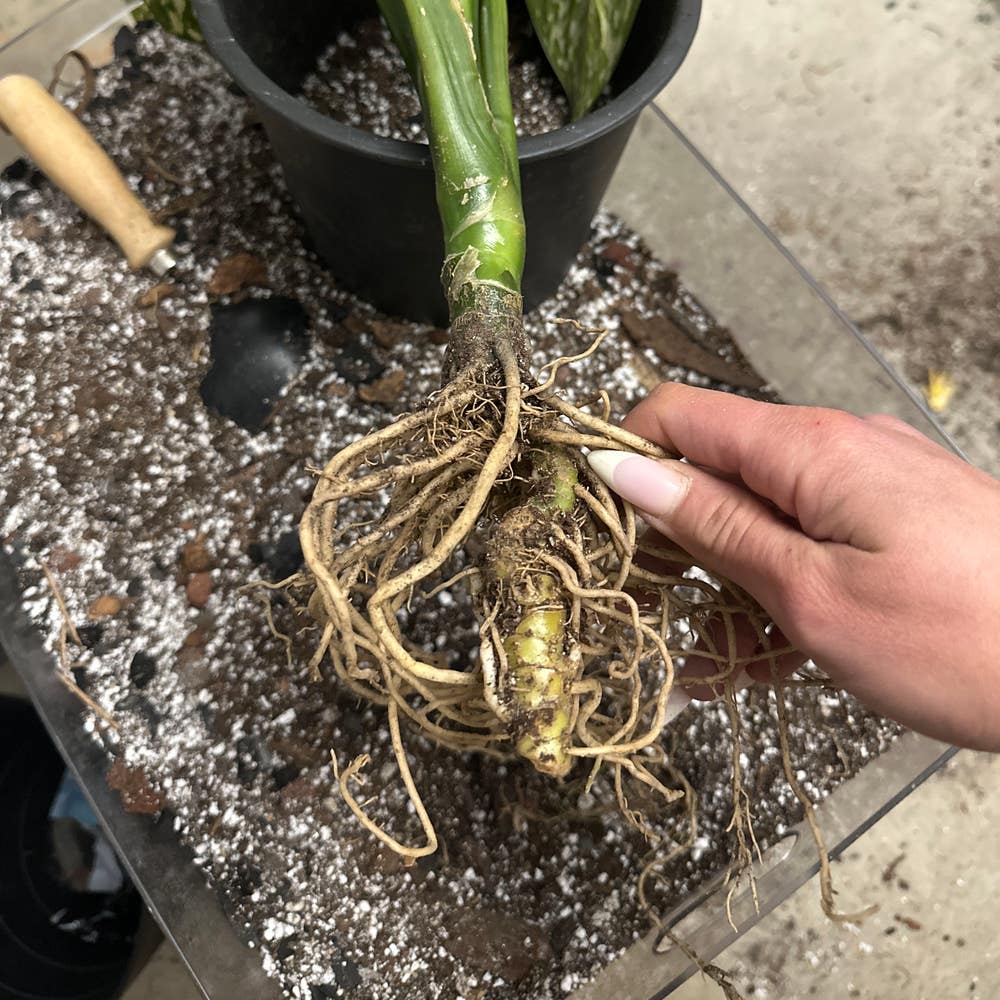
The root system begins to establish a fibrous network, which is crucial for the plant's future growth. This early development sets the foundation for a healthy, thriving plant.
⏳ Duration of the Seedling Stage
The seedling stage usually lasts between 4 to 8 weeks. You'll know it's time to transition when the plant develops true leaves and shows noticeable height increase.
This period is vital for the plant's overall health, as it prepares for the next stages of growth. Keeping an eye on these indicators can help you ensure your Dieffenbachia is on the right track.
As your plant matures, it will be exciting to watch it evolve into its next growth phase.
Vegetative Growth
🌱 Growth Patterns and Changes
During the vegetative growth stage, Dieffenbachia 'Panther' showcases impressive leaf development. Mature leaves can reach an astonishing length of up to 3 feet, creating a lush, tropical appearance.
As the plant matures, you'll notice significant changes in its stems. They thicken and elongate, providing stability and support for the expanding foliage.
Additionally, the variegation of the leaves becomes more pronounced with age. This vibrant color contrast not only enhances the plant's aesthetic appeal but also indicates healthy growth.
⏳ Duration of Vegetative Growth
The vegetative growth phase typically lasts between 6 months to several years. This duration can vary widely based on the plant's environment and care.
In optimal conditions, Dieffenbachia 'Panther' exhibits rapid growth. Factors like adequate light, moisture, and nutrients can significantly boost its growth rate, making it a rewarding plant for dedicated caregivers.
As you nurture your plant, keep an eye on these growth patterns and conditions. They are essential indicators of your Dieffenbachia's health and vitality, setting the stage for its future development.
With a solid understanding of vegetative growth, you're well-equipped to support your plant's journey toward maturity. Next, we’ll explore the flowering stage and what it entails for this remarkable species.
Flowering Stage
Description of Flowering 🌸
Dieffenbachia 'Panther' produces a unique flower structure, featuring a spadix enveloped by a spathe. These flowers typically showcase a delicate white or cream color, adding a touch of elegance to the plant.
However, it's important to note that flowering is quite rare in indoor settings. Many enthusiasts may go years without witnessing this beautiful display.
Duration and Conditions for Flowering ⏳
When flowering does occur, it lasts about 1-2 months. This brief period can be a highlight for any plant lover.
For successful flowering, Dieffenbachia requires specific conditions: high humidity, adequate light, and a mature plant age. Meeting these needs can enhance the chances of enjoying this rare spectacle.
As we explore the overall lifespan and growth rate of Dieffenbachia 'Panther', we’ll see how these factors contribute to its journey from seedling to maturity.
Overall Lifespan and Growth Rate
How Long Until Fully Grown? 🌱
Dieffenbachia 'Panther' typically reaches full maturity in about 2 to 3 years when provided with ideal conditions. Key factors influencing this timeframe include adequate light, consistent water, and nutrient availability.
Average Lifespan ⏳
With proper care, you can expect your Dieffenbachia to live between 5 to 10 years. Its longevity largely depends on environmental conditions and the care practices you implement.
Notable Changes Throughout the Life Cycle 🔄
As your plant matures, it undergoes significant transformations. Initially, it will transition from small, unvariegated leaves to large, strikingly variegated foliage.
The root system also develops robustly, supporting rapid growth and stability. Additionally, as the plant ages, its potential for flowering may change, becoming more pronounced under the right conditions.
This journey from seedling to a mature plant is not just about growth; it's a testament to your care and dedication. Understanding these stages can help you nurture your Dieffenbachia effectively, ensuring it thrives for years to come.
Next, let’s explore the fascinating flowering stage and what it entails for your plant.
⚠️ Safety First
This content is for general information and may contain errors, omissions, or outdated details. It is not medical, veterinary advice, or an endorsement of therapeutic claims.
Always consult a qualified healthcare professional before using any plant as food, medicine, or supplement.
Never eat any plant (or feed one to pets) without confirming its identity with at least two trusted sources.
If you suspect poisoning, call Poison Control (800) 222-1222, the Pet Poison Helpline (800) 213-6680, or your local emergency service immediately.
Spotted an error? Please report it here.
Nurture your Dieffenbachia 'Panther' to thriving maturity 🌱 by using Greg's personalized care reminders and tailored watering plans that ensure optimal growth conditions every step of the way!