Why Is My Dieffenbachia 'Panther' Not Doing Well?
Dieffenbachia 'Panther'
By the Greg Editorial Team
Feb 13, 2024•4 min read
This article was created with the help of AI so we can cover more plants for you. May contain errors. See one? Report it here.
Uncover your Dieffenbachia 'Panther's' secret cries for help 🌿 and turn its frown upside down for a lush home oasis.
- Yellow leaves and mushy stems? Over-watering might be the culprit.
- 🌞🌱 Brown patches or slow growth? Adjust light and water accordingly.
- 🌡️ Keep it comfy: 65°F-75°F and watch for pests and diseases.
When Water Becomes a Foe
💦 Over-watering Woes
Yellowing lower leaves and mushy stems are the SOS signals from your Dieffenbachia 'Panther'. It's drowning in kindness.
Spotting the Signs
- Yellow halos on leaves? Bad news.
- Musty soil smell? It's practically begging for an intervention.
Drying Out: Steps to Rescue an Over-watered Dieffenbachia 'Panther'
- Stop watering immediately. Let the soil dry like a desert.
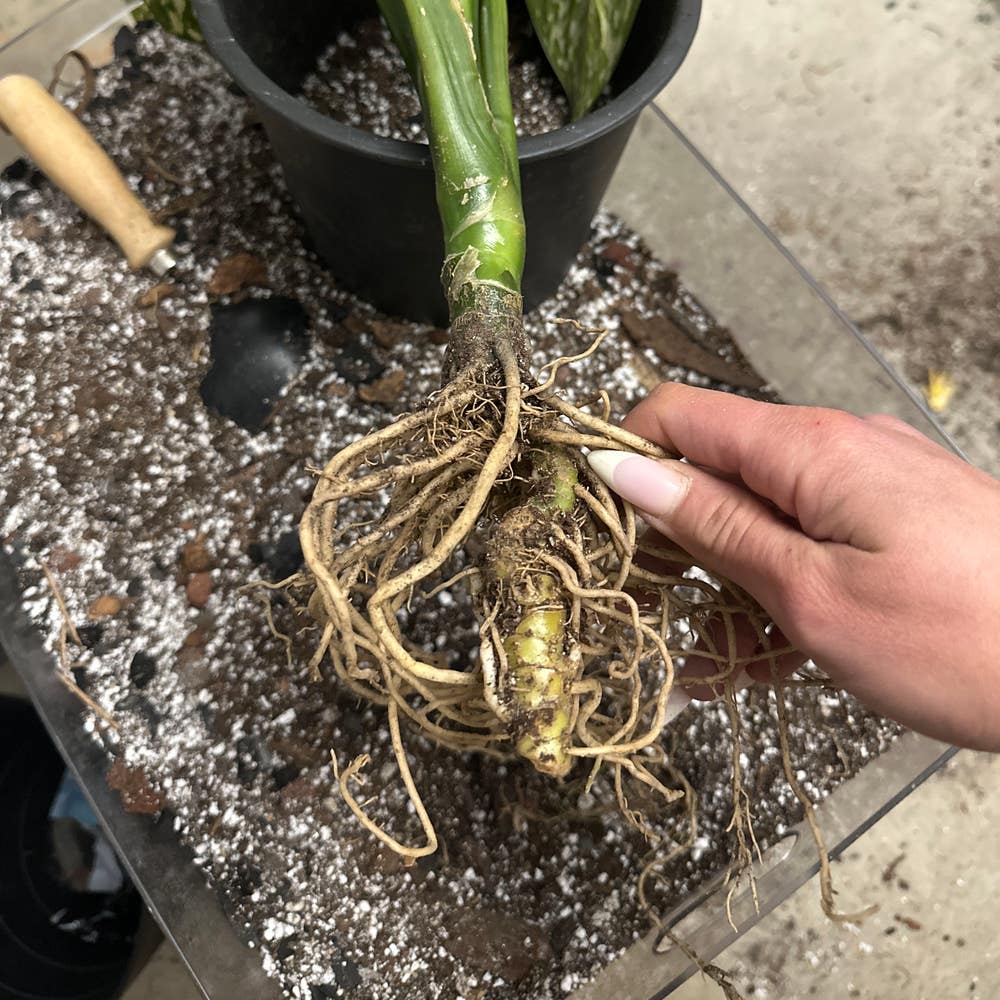
- Check the roots. If they're brown and slimy, it's time for surgery—snip the rot.
- Repot with fresh, well-draining soil. Think of it as a plant spa day.
- Resume watering, but this time, treat it like a cactus. Less is more.
The Thirsty Plant
Crispy leaves are the Dieffenbachia's way of saying, "I'm parched!"
Spotting the Signs
- Leaves more wrinkled than a linen shirt? Thirst alert.
- Slow growth? It's not lazy; it's light-starved.
Quenching the Thirst: Proper Watering Techniques for Dieffenbachia 'Panther'
- Water deeply but infrequently. Make it count.
- Let the soil dry out a bit between waterings. Roots need to breathe, not swim.
- Brown leaf tips? It's crying out for a drink. Don't wait for a full-blown tantrum.
Light and Shade: Finding the Balance
🌞 Too Much Sun
Brown patches on your Dieffenbachia 'Panther' leaves are a clear distress signal: too much sun. The leaves are essentially getting cooked, and that's not the kind of roast we enjoy.
Shifting Shades
To prevent your plant from turning into a leafy crisp, adjust its sun exposure. Move it away from direct sunlight to a spot where it can enjoy bright, indirect light. Think of it as putting on sunglasses—it needs protection from the harsh rays.
💡 Not Enough Light
When your Dieffenbachia 'Panther' starts to look more like a slow-motion video of a plant, it's probably light-starved. Growth slows down, and the plant's inner yearning for sunlight becomes all too apparent.
Let There Be Light
Boosting your plant's light diet is simple: move it closer to a light source or consider using grow lights. Just remember, it's about finding that sweet spot where the light is bright but not blinding—like a cozy reading nook for your plant.
Temperature Tantrums
🌡️ Cold Drafts vs. Hot Blasts
Cold drafts and hot blasts can wreak havoc on your Dieffenbachia 'Panther'. These extremes can cause your plant to exhibit signs of stress, such as wilting or curling leaves. It's crucial to keep your plant away from air conditioning vents, open windows, and heaters to prevent these issues.
Keeping it Comfy: Ideal Temperature Ranges
Dieffenbachia 'Panther' thrives in temperatures between 65°F and 75°F. Maintaining this range is like hitting the jackpot for your plant's well-being. Watch out for sudden temperature drops or spikes, which can be as jarring to your plant as a splash of cold water to your face in the morning.
🛠️ Stabilization Tips
To stabilize temperatures, consider using insulating materials during colder months and shade cloths when it's too sunny. Keep your plant in a location where the temperature is consistent—think of it as creating a mini climate haven for your green buddy. Use a thermostat to monitor the environment, making adjustments as needed to keep your Dieffenbachia 'Panther' in its comfort zone.
The Unseen Invaders: Pests and Diseases
🐜 Pests on Patrol
Bug alert: Your Dieffenbachia 'Panther' might play host to spider mites, aphids, and mealybugs. These pests are the gatecrashers of the plant world, often going unnoticed until they've thrown a full-blown rager.
Pest control: To show these pests the door, opt for indoor-safe pesticides. Apply treatments outside, let the chemical bouncers do their work, and only then bring your plant back in. Remember, treating your plant outdoors is like giving it a breath of fresh air before it returns to the party inside.
🍄 Fungal Fiascos and Root Rot
Mold and root rot: If your Dieffenbachia 'Panther' starts to look like it's been left out in the rain, it could be a sign of fungal issues or root rot. A soil that smells mustier than a thrift shop coat is a dead giveaway.
Fungus among us: To combat these silent assassins, cut out any plant parts that look like they've seen better days and consider a soil change. Overwatering is often the accomplice to these crimes, so keep your watering can in check.
⚠️ Safety First
This content is for general information and may contain errors, omissions, or outdated details. It is not medical, veterinary advice, or an endorsement of therapeutic claims.
Always consult a qualified healthcare professional before using any plant as food, medicine, or supplement.
Never eat any plant (or feed one to pets) without confirming its identity with at least two trusted sources.
If you suspect poisoning, call Poison Control (800) 222-1222, the Pet Poison Helpline (800) 213-6680, or your local emergency service immediately.
Spotted an error? Please report it here.
Revive your Dieffenbachia 'Panther' from over-watering woes and light mishaps with Greg's personalized care plan 🛠, ensuring your green friend prospers in its perfect environment.