How to Fertilize Your Dieffenbachia 'Panther'
Dieffenbachia 'Panther'
By the Greg Editorial Team
Feb 13, 2024•3 min read
This article was created with the help of AI so we can cover more plants for you. May contain errors. See one? Report it here.
Boost your 'Panther's' 🌿 growth with the perfect 20-20-20 feed and avoid the perils of over-fertilization!
- Balanced 20-20-20 NPK ratio with micronutrients is ideal for Dieffenbachia 'Panther'.
- Fertilize in spring and summer; reduce in autumn, stop in winter.
- Over-fertilization signs: yellow leaves, stunted growth, white soil crust. Flush soil if needed.
Choosing Your Fertilizer Wisely
💡 Understanding NPK Ratios
Dieffenbachia 'Panther' thrives on a balanced diet. The ideal NPK ratio for this tropical beauty is 20-20-20, a triple threat ensuring lush foliage, robust roots, and overall plant health. Micronutrients aren't just footnotes; they're critical for your plant's well-being. Think of them as the backstage crew that makes the show go on—without them, the performance falls flat.
💡 Product Recommendations
When it comes to Dieffenbachia 'Panther', not just any fertilizer will do. You want a product that hits the sweet spot. Look for fertilizers with a 20-20-20 NPK ratio and a micronutrient mix. These champions provide a well-rounded meal, ensuring your plant doesn't miss out on any essential nutrients. Remember, quality trumps everything—don't skimp on your plant's food.
Timing is Everything: When to Fertilize
🌱 Growing Season Guidelines
Dieffenbachia 'Panther' thrives on timely nourishment. Spring marks the start of its growth cycle; this is when your green companion is ravenous for nutrients. Begin fertilizing as new leaves unfurl, typically around March. Continue with a regular fertilizing schedule every four to six weeks throughout the summer, ensuring your plant has the sustenance to sustain its lush, tropical foliage.
Off-Season Tips
As autumn leaves fall, your Dieffenbachia 'Panther' slows its pace. It's time to reduce the frequency of fertilization. Think of it as easing your plant into a restful state; a light application every eight to ten weeks should suffice. During winter, your plant is in hibernation mode—hold off on fertilizing entirely. This period of rest is crucial for the upcoming spring's growth spurt.
Fertilization Best Practices
💧 The Right Amount
Getting the dosage right is crucial to avoid the pitfalls of over-fertilization. For liquid fertilizers, a measuring syringe ensures precision—no guessing games here. Dilute according to the instructions, then apply to moist soil, which helps with nutrient absorption. It's a balancing act; you want to complement, not dominate, the soil's nutrient profile.
🌱 Application Techniques
Soil Application
- Measure the fertilizer accurately using the tools provided or recommended.
- Dilute the fertilizer as per the product's guidelines.
- Apply to moist soil to prevent root burn and facilitate nutrient uptake.
- Keep a safe distance from the plant's base to avoid direct contact with roots.
Foliar Feeding
- Prepare a diluted solution suitable for foliar use.
- Use a spray bottle to apply a fine mist to the leaves, avoiding drenching.
- Focus on the undersides of leaves where stomata are more prevalent.
- Employ this method as a quick fix for nutrient deficiencies, not as a sole fertilization strategy.
Remember, more isn't better; it's just more. Stick to the script—fertilizer labels are there for a reason.
Troubleshooting: Signs of Over-Fertilization
🚨 Spotting Trouble
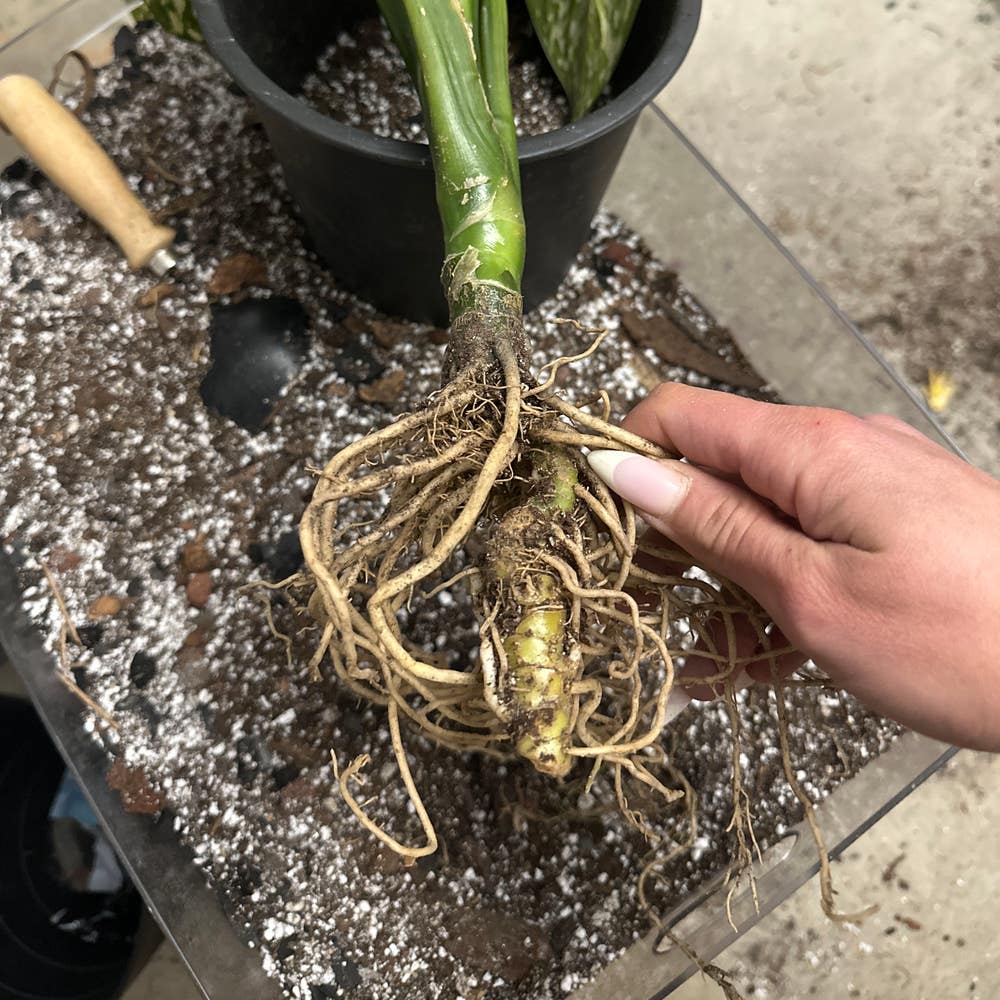
Yellowing leaves, stunted growth, and a white crust on the soil are your Dieffenbachia 'Panther' waving a red flag for over-fertilization. Leaf burn or brown tips are also telltale signs. If your plant's roots are brown and limp, it's a clear distress signal. Wilting leaves can be deceptive; they might seem thirsty even when the soil is damp, indicating too much fertilizer, not a lack of water.
🛠 Quick Fixes
Stop fertilizing immediately if you notice any of the above symptoms. Remove any visible fertilizer from the soil's surface. Begin by flushing the soil with water to wash away excess nutrients; repeat this every few days. Trim away any damaged foliage to help the plant recover. If the over-fertilization is severe, consider repotting with fresh soil. Going forward, recalibrate your fertilization approach, and remember that less is often more.
⚠️ Safety First
This content is for general information and may contain errors, omissions, or outdated details. It is not medical, veterinary advice, or an endorsement of therapeutic claims.
Always consult a qualified healthcare professional before using any plant as food, medicine, or supplement.
Never eat any plant (or feed one to pets) without confirming its identity with at least two trusted sources.
If you suspect poisoning, call Poison Control (800) 222-1222, the Pet Poison Helpline (800) 213-6680, or your local emergency service immediately.
Spotted an error? Please report it here.
Nourish your Dieffenbachia 'Panther' to perfection by following a tailored fertilization schedule 📅 with Greg's season-specific reminders, ensuring lush growth without the over-fertilization fuss.