📏 Full Grown Size of Dieffenbachia 'Panther'
Dieffenbachia 'Panther'
By the Greg Editorial Team
Sep 29, 2024•5 min read
This article was created with the help of AI so we can cover more plants for you. May contain errors. See one? Report it here.
Master the art of growing Dieffenbachia 'Panther' 🌱 and transform your space with stunning greenery!
- 🌱 Dieffenbachia 'Panther' grows 3-5 feet tall and 2-3 feet wide under optimal conditions.
- 🌞 Bright, indirect light and nutrient-rich soil are essential for healthy growth.
- ✂️ Regular pruning every 6-12 months maintains size and encourages bushier growth.
Mature Height and Spread
Height and Spread Details 🌱
Dieffenbachia 'Panther' typically reaches a mature height of 3 to 5 feet. Its spread usually ranges from 2 to 3 feet, making it a striking addition to any indoor space.
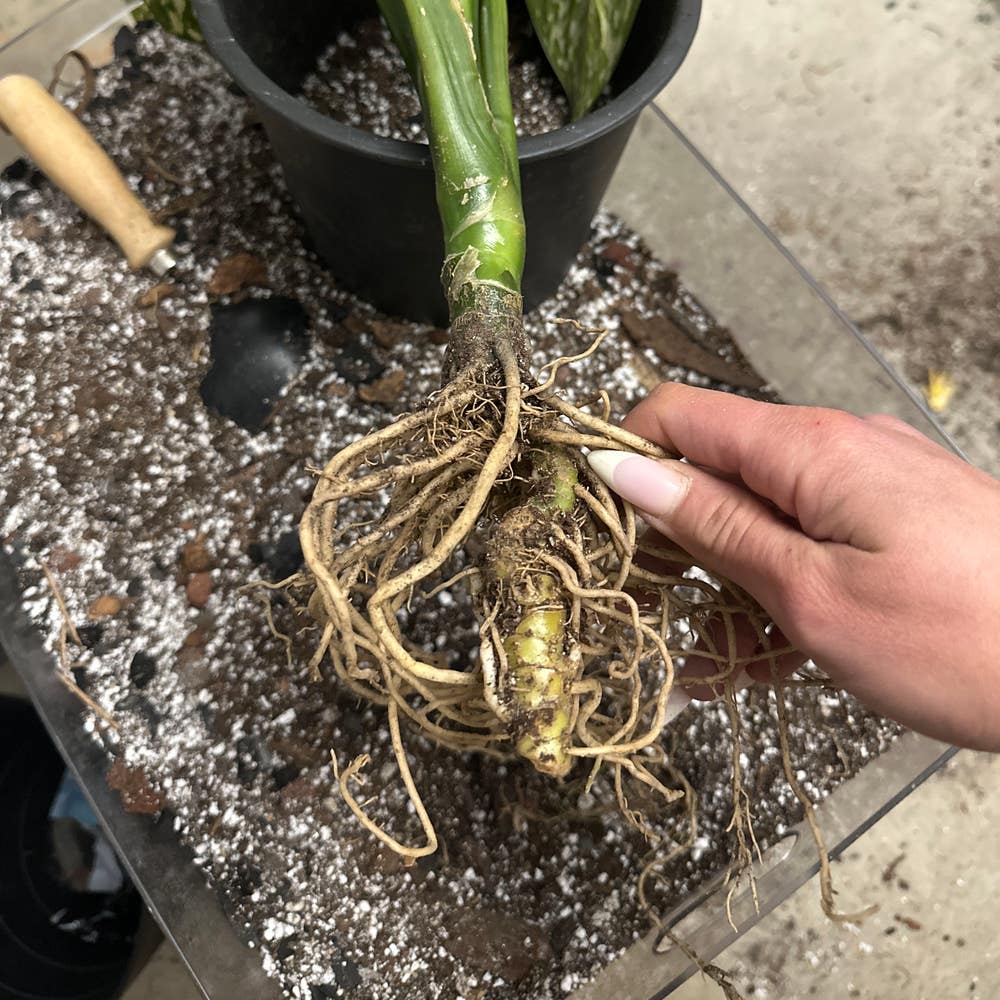
Several factors influence these dimensions. Pot size and root space play a crucial role; a larger pot allows for more extensive root growth, which can lead to a taller plant. Additionally, the growth medium and nutrients you provide significantly affect its overall size. A nutrient-rich soil can boost growth, while poor soil may stunt it.
Understanding these factors can help you cultivate a thriving Dieffenbachia 'Panther' that fits perfectly in your home. As you consider your plant's environment, remember that the right conditions can lead to impressive growth and a vibrant display.
Growth Rate and Time to Full Size
🌱 Growth Rate
Dieffenbachia 'Panther' is known for its impressive growth rate, thriving under optimal conditions. You can expect it to grow between 1 to 2 feet per year, making it a fast-growing houseplant.
⏳ Time to Reach Full Size
Typically, this plant reaches its mature dimensions within 2 to 3 years. This timeline can vary based on several factors, including care and environmental conditions.
📈 Variability in Growth Rate Based on Conditions
The growth rate of Dieffenbachia 'Panther' can fluctuate significantly depending on its environment. In ideal conditions—think bright, indirect light and nutrient-rich soil—it will flourish, while suboptimal environments can slow its growth considerably.
Understanding these growth dynamics can help you set realistic expectations for your plant. By providing the right conditions, you can enjoy a lush, full-grown Dieffenbachia 'Panther' in just a few years.
Next, let’s explore how environmental factors can further influence the size of your plant.
Size Variability Based on Conditions
Environmental Influences 🌍
Environmental factors play a crucial role in determining the size of your Dieffenbachia 'Panther'. Light exposure is a significant factor; plants thrive in bright, indirect light, while low-light conditions can stunt their growth.
Nutrient availability also impacts size. Proper fertilization can lead to lush, vibrant growth, while a lack of nutrients may result in smaller, weaker plants.
Examples of Size Variability 📏
The size of Dieffenbachia 'Panther' can vary greatly depending on pot size. Plants in larger pots typically have more room for root expansion, leading to a more robust growth pattern. Conversely, those in smaller pots may remain compact and less vigorous.
Seasonal changes can further influence growth patterns. During warmer months, you might notice a surge in growth, while colder seasons may slow down development significantly.
Understanding these environmental influences can help you optimize your plant's growth and achieve the desired size. With the right conditions, your Dieffenbachia 'Panther' can flourish beautifully, setting the stage for the next section on controlling size.
Controlling Size
🌿 Pruning Techniques for Size Management
Pruning is essential for maintaining the size of your Dieffenbachia 'Panther.' It encourages bushier growth and prevents that awkward legginess that can occur over time.
Step-by-Step Pruning Guide
- Identify Stems to Prune: Focus on any leggy growth that detracts from the plant's overall appearance.
- Use Clean, Sharp Tools: Ensure your cutting tools are sanitized to prevent disease.
- Cut Above a Node: This promotes new growth, allowing your plant to flourish.
- Frequency of Pruning: Aim to prune every 6 to 12 months for optimal results.
📏 Other Methods to Control Growth
Beyond pruning, there are additional techniques to manage your plant's size effectively.
Pot Size Adjustments
Using smaller pots can limit root growth, which in turn restricts the overall size of the plant. This method is particularly useful if you're short on space.
Fertilization Control
Reducing nutrient input can slow down growth. By carefully managing how much fertilizer you provide, you can keep your Dieffenbachia 'Panther' at a manageable size.
These strategies not only help control the size of your plant but also enhance its overall health and appearance. With the right care, your Dieffenbachia can thrive beautifully in any space.
Next, let’s explore the fascinating varieties of Dieffenbachia and their unique growth potentials.
Varieties and Their Growth Potential
Dwarf and Giant Varieties 🌱
Dieffenbachia comes in a range of sizes, from compact dwarf varieties to towering giants. Dwarf types typically reach a height of 1 to 2 feet and spread about 1 to 2 feet, making them perfect for smaller spaces or indoor settings.
In contrast, giant Dieffenbachia varieties can soar over 6 feet tall. These impressive plants not only demand more vertical space but also create a striking focal point in any room.
Aesthetic Differences 🎨
Dwarf varieties often feature more compact foliage, which can give them a bushier appearance. This makes them visually distinct from the taller, more elongated Dieffenbachia 'Panther,' which showcases broader leaves and a more dramatic presence.
Giant varieties, on the other hand, can create a lush, tropical vibe. Their larger leaves and stature can transform a space, making them ideal for those looking to make a bold statement.
Growth Habits and Care Considerations 🧑🌾
When it comes to care, both dwarf and giant varieties have unique needs. Dwarfs thrive in smaller pots, which help maintain their compact size.
Giants require ample space for their roots to spread, along with bright, indirect light to support their growth. Understanding these differences is key to successfully cultivating either type.
In summary, whether you opt for a dwarf or a giant Dieffenbachia, each variety offers its own charm and growth potential. Choosing the right one depends on your space and aesthetic preferences, ensuring you find the perfect fit for your home or garden.
Next, let’s explore how to effectively manage the size of your Dieffenbachia through pruning and other techniques.
⚠️ Safety First
This content is for general information and may contain errors, omissions, or outdated details. It is not medical, veterinary advice, or an endorsement of therapeutic claims.
Always consult a qualified healthcare professional before using any plant as food, medicine, or supplement.
Never eat any plant (or feed one to pets) without confirming its identity with at least two trusted sources.
If you suspect poisoning, call Poison Control (800) 222-1222, the Pet Poison Helpline (800) 213-6680, or your local emergency service immediately.
Spotted an error? Please report it here.
Unlock your Dieffenbachia 'Panther's full growth potential 🌿 with Greg's tailored care reminders and tips for optimal size and health!