🍂 Why Are My Dieffenbachia 'Panther' Leaves Dropping?
Dieffenbachia 'Panther'
By the Greg Editorial Team
Feb 13, 2024•4 min read
This article was created with the help of AI so we can cover more plants for you. May contain errors. See one? Report it here.
Prevent leaf loss and nurture a thriving Dieffenbachia 'Panther' with these essential care tips! 🍂🌿
- 💧 Overwatering and underwatering both lead to leaf drop; adjust watering accordingly.
- 🌡️ Keep temperatures steady between 65-75°F and maintain humidity for plant health.
- 🕵️♂️ Regularly inspect for pests and prune seasonally to prevent leaf drop.
Pinpointing the Culprits Behind Leaf Drop
💧 Overwatering Woes
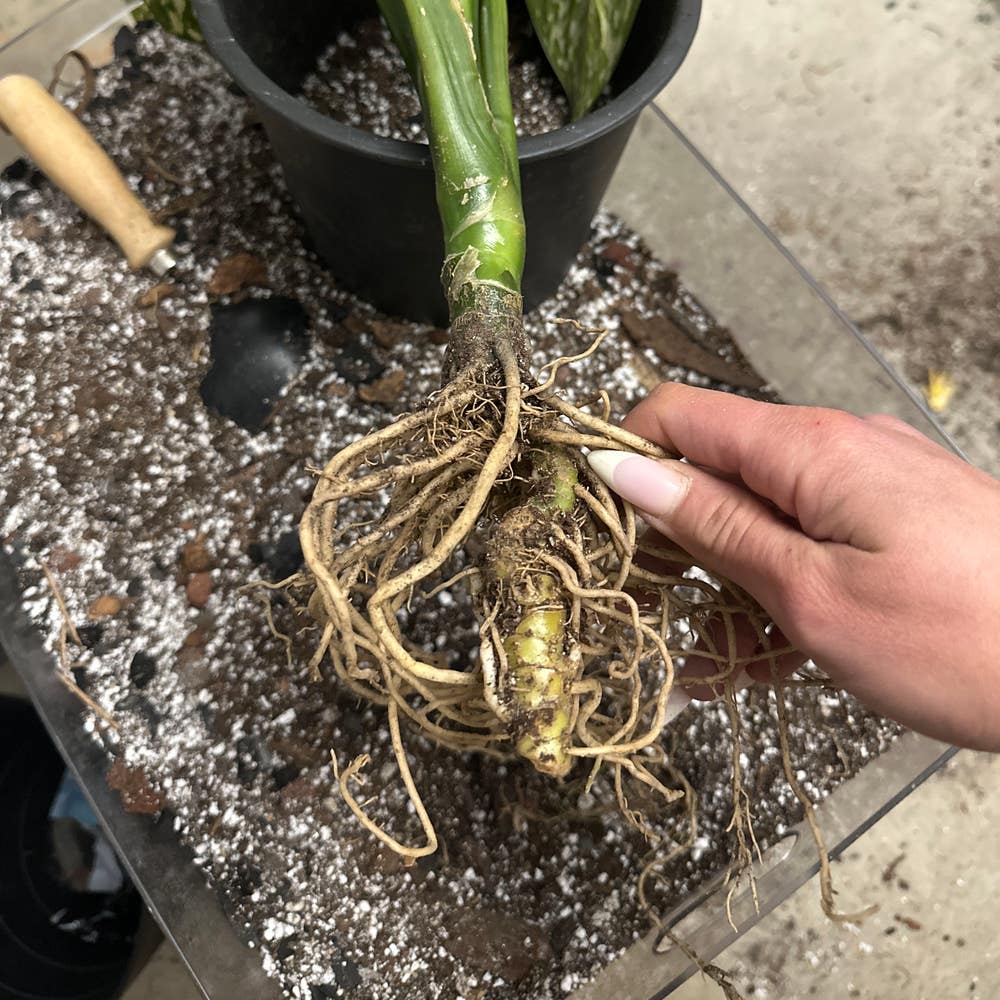
Yellowing leaves and a persistently damp soil are telltale signs of overwatering in Dieffenbachia 'Panther'. This excess moisture invites root rot, turning roots into mush and making them incapable of supporting the plant's needs.
Overwatered Dieffenbachia 'Panther' can't absorb nutrients effectively, leading to leaf drop. Think of it as the plant's white flag, surrendering to the swampy conditions at its feet.
🏜️ Thirsty Roots: The Underwatering Issue
When your Dieffenbachia 'Panther' starts to look more like a wilted salad, it's likely underwatered. Leaves droop and fall, a desperate signal from your plant craving hydration.
The connection is clear: not enough water equals falling leaves. It's a silent plea for a drink, so let's not leave our leafy friends high and dry.
🌡️ Chilly Drafts and Scorching Heat
Extreme temperatures can cause your 'Panther' to shed leaves faster than a dog sheds fur in summer. Temperature stress is a real drama queen for Dieffenbachia, causing leaves to drop in protest.
Identifying temperature stress involves watching for leaves that look like they've been through a thermal rollercoaster—too hot or too cold, and they'll jump ship.
💦 The Humidity Factor
Dieffenbachia 'Panther' craves a humid environment like a baker needs an oven. Low humidity can lead to leaf drop, as the plant struggles to retain moisture.
Signs of humidity distress include leaves that are as crisp as autumn leaves. Keep the air around your 'Panther' as moist as a tropical morning to prevent this issue.
First Aid for Fallen Leaves
💧 Balancing the Watering Scale
When your Dieffenbachia 'Panther' starts shedding leaves like a tree in autumn, it's time to rethink watering. Check the soil: if it's soggier than a wet sponge, it's time to let it dry out. Adjust your watering schedule to when the top inch of soil feels like a dry martini—crisp, not drenched. Keep an eye on the foliage; if the leaves start looking more upbeat than a morning talk show host, you've hit the mark.
🌡️ Creating a Cozy Climate
Dieffenbachia 'Panther' doesn't appreciate the cold shoulder or a hot temper. It's all about that steady, cozy climate. If your plant's leaves are dropping faster than your phone's battery life, it might be time to check the thermostat. Aim for a balmy 65-75°F (18-24°C)—that's the sweet spot where your 'Panther' can bask without breaking a sweat. And humidity? Think tropical rainforest, not desert. Use a humidifier or pebble tray to keep the air moist and make your plant feel like it's on a permanent vacation.
Keeping Pests at Bay
🐛 Common Critters that Cause Trouble
Dieffenbachia 'Panther' leaves can fall victim to pests. Aphids, spider mites, and mealybugs are the usual suspects. These pests suck the sap from leaves, causing them to droop and eventually drop.
Inspect your plant regularly, focusing on the undersides of leaves. If pests are spotted, act quickly. A strong water spray can dislodge aphids, while insecticidal soap or neem oil can tackle tougher infestations. For mealybugs, dabbing with alcohol-soaked cotton can be effective.
🌿 Integrated Pest Management
Integrated Pest Management (IPM) is a sustainable approach to prevent pest-related leaf drop. It combines cultural, biological, and chemical methods to manage pests with minimal environmental impact.
Encourage beneficial insects like ladybugs, which prey on aphids. Maintain plant hygiene by removing debris and avoiding wet foliage, which attracts pests. Rotate natural pesticides to prevent resistance. Regular monitoring and timely intervention are key to IPM success.
Ongoing Care to Prevent Future Falls
💡 Routine Checks and Balances
Regular monitoring is crucial for a Dieffenbachia 'Panther' to thrive. Watch for early stress indicators like drooping or yellowing leaves, which could signal overwatering, underwatering, or other environmental stresses. Adjust your care practices with the changing seasons; this means less water in the cooler, dormant winter months and potentially more during the active summer growth period.
🌱 Pruning for Health and Happiness
Pruning your Dieffenbachia 'Panther' isn't just about making it look good—it's about promoting healthy growth. Remove dead or yellowing leaves to redirect the plant's energy to healthier areas. Do this with sterilized shears to prevent the spread of disease. Prune in the spring or fall to encourage a bushier, more robust plant. Remember, a well-pruned plant is less likely to experience leaf drop due to stress.
⚠️ Safety First
This content is for general information and may contain errors, omissions, or outdated details. It is not medical, veterinary advice, or an endorsement of therapeutic claims.
Always consult a qualified healthcare professional before using any plant as food, medicine, or supplement.
Never eat any plant (or feed one to pets) without confirming its identity with at least two trusted sources.
If you suspect poisoning, call Poison Control (800) 222-1222, the Pet Poison Helpline (800) 213-6680, or your local emergency service immediately.
Spotted an error? Please report it here.
Prevent leaf drop and ensure your Dieffenbachia 'Panther' thrives by letting Greg tailor your plant care 🌿 with reminders for watering, climate control, and seasonal adjustments.