🪴 Step-by-Step Guide to Potting Dieffenbachia 'Panther'
Dieffenbachia 'Panther'
By the Greg Editorial Team
Sep 29, 2024•4 min read
This article was created with the help of AI so we can cover more plants for you. May contain errors. See one? Report it here.
Transform your Dieffenbachia 'Panther' 🌱 into a thriving beauty by mastering pot selection for every growth stage!
- 🌱 Choose pot sizes wisely: 4-6 inches for seedlings, 12-14 for mature plants.
- 🏺 Clay vs. plastic pots: Clay breathes but dries quickly; plastic retains moisture longer.
- 🔄 Repot regularly to prevent root binding and ensure healthy growth.
Choosing the Right Pot
🌱 Pot Sizes for Growth Stages
Choosing the right pot size is crucial for your Dieffenbachia 'Panther' at different growth stages.
Seedling Stage: Use a container that is 4-6 inches in diameter. A snug fit encourages root development, helping your plant establish itself.
Juvenile Stage: Opt for an 8-10 inch pot. This size provides the necessary space for rapid growth.
Mature Stage: Select a pot that is 12-14 inches in diameter. This accommodates larger root systems and ensures stability.
As a general guideline, increase the pot size by 2 inches in diameter for each growth stage. This simple rule can make a significant difference in your plant's health.
🪴 Recommended Pot Materials
The material of your pot can greatly influence your plant's well-being.
Clay Pots: These are breathable, allowing for air exchange and helping to prevent overwatering. However, they are heavier, can break easily, and may dry out faster.
Plastic Pots: Lightweight and durable, plastic pots retain moisture longer. On the downside, they are less breathable, which can lead to root rot if drainage is inadequate.
In summary, plastic pots are best for beginners due to their ease of handling, while experienced growers may prefer clay pots for better moisture control.
🚰 Drainage Considerations
💧 Importance of Drainage Holes
Drainage holes are essential for preventing water accumulation in your pot.
They help avoid root rot, a common issue for Dieffenbachia 'Panther'.
Aim for at least 3-5 holes for adequate drainage. This simple feature can save your plant from serious damage.
🔧 Ensuring Proper Drainage
To ensure proper drainage, consider the following:
Choose Pots with Built-in Drainage: Look for pots specifically designed for indoor plants. These often come with adequate drainage features.
Add Drainage Layers: Place gravel or small stones at the bottom of the pot. You can also incorporate a layer of activated charcoal to absorb excess moisture.
🔄 Repotting Process
⏰ When to Repot
Knowing when to repot is key to maintaining a healthy plant.
Look for indicators such as roots visible through drainage holes or soil that dries out too quickly.
If your plant's growth has slowed or stopped, it may be time for a new pot.
🥇 Choosing the Right Pot for Repotting
When selecting a new pot, keep these considerations in mind:
Size: Follow the growth stage guidelines to ensure a proper fit.
Material: Choose based on your climate and personal preference.
Drainage: Make sure the pot has adequate drainage holes to prevent water issues.
🛠️ Step-by-Step Repotting Process
Gather materials: You'll need a new pot, potting soil, and tools like a trowel and gloves.
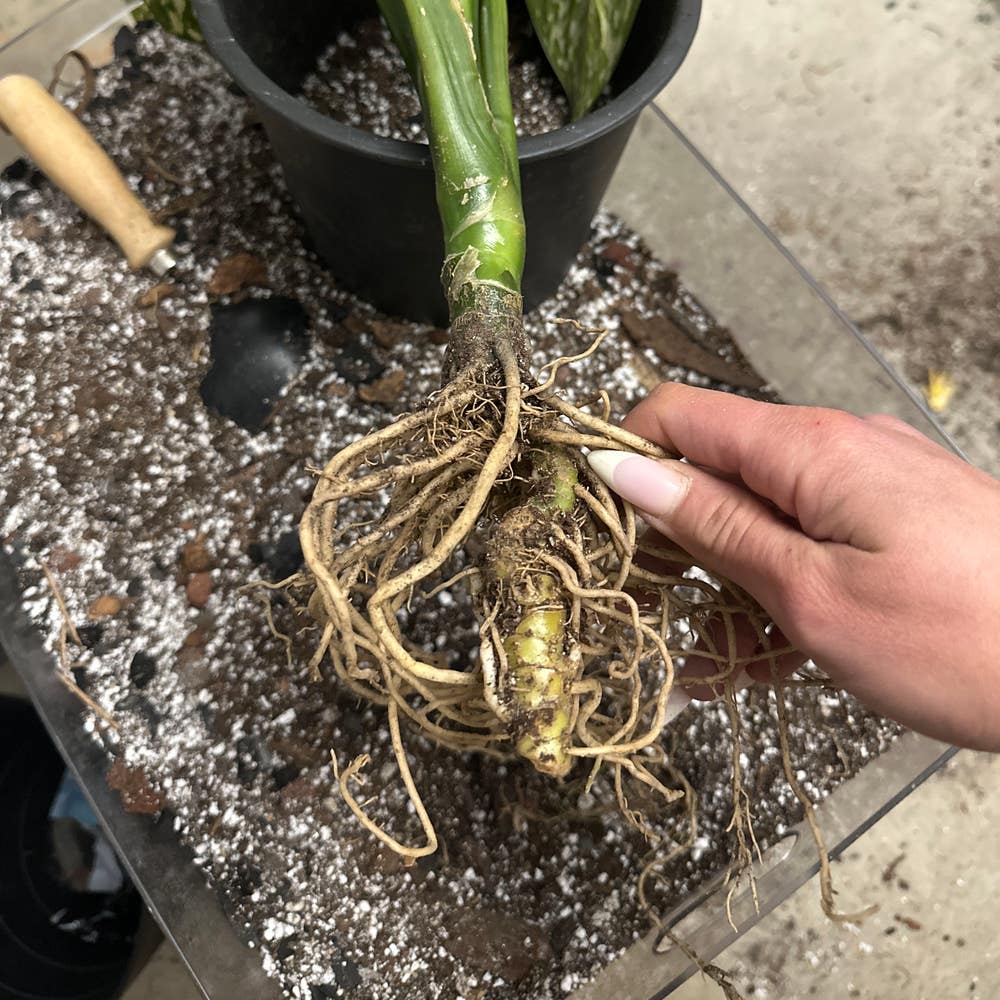
Remove the plant from its current pot: Gently tap the sides to loosen the soil and support the base to avoid damage.
Inspect the roots: Trim any dead or rotting roots with sterilized scissors.
Prepare the new pot: Add a layer of drainage material (gravel or stones) and fill with fresh potting soil, leaving space for the plant.
Position the plant: Center it in the new pot and fill around the roots with soil, ensuring the top of the root ball is level with the soil surface.
Water thoroughly: Allow excess water to drain out, ensuring proper moisture levels.
📈 Impact of Potting on Growth
📏 Effects of Pot Size on Growth Rate
The size of your pot can significantly affect your plant's growth rate.
Larger pots promote faster growth by providing more room for roots to expand, leading to healthier plants.
Conversely, small pots can stunt growth, restricting nutrient uptake and water absorption.
💧 How Pot Material Influences Moisture Retention
The material of your pot also plays a role in moisture retention.
Clay Pots: These evaporate moisture quickly, requiring more frequent watering.
Plastic Pots: They retain moisture longer, reducing watering frequency but increasing the risk of overwatering.
🏥 Long-Term Health Considerations
Regular repotting is vital for your plant's long-term health.
It prevents root binding and maintains healthy growth.
Monitoring soil health is crucial; replace old soil during repotting to ensure nutrient availability.
Choosing the right pot can lead to a thriving Dieffenbachia 'Panther'. Proper potting practices contribute to overall plant vitality and longevity.
With these insights, you're well-equipped to give your plant the best possible start!
⚠️ Safety First
This content is for general information and may contain errors, omissions, or outdated details. It is not medical, veterinary advice, or an endorsement of therapeutic claims.
Always consult a qualified healthcare professional before using any plant as food, medicine, or supplement.
Never eat any plant (or feed one to pets) without confirming its identity with at least two trusted sources.
If you suspect poisoning, call Poison Control (800) 222-1222, the Pet Poison Helpline (800) 213-6680, or your local emergency service immediately.
Spotted an error? Please report it here.
Potting your Dieffenbachia 'Panther' is crucial for its growth 🌱, and with Greg's tailored reminders and expert tips, you'll keep your plant thriving at every stage!