All About Your Dieffenbachia 'Panther''s Roots 🐾
Dieffenbachia 'Panther'
By the Greg Editorial Team
Sep 29, 2024•6 min read
This article was created with the help of AI so we can cover more plants for you. May contain errors. See one? Report it here.
Master Dieffenbachia 'Panther' care by understanding its unique root system for vibrant growth! 🌱🌿
- 🌱 Dieffenbachia 'Panther' has a fibrous root system for stability and nutrient absorption.
- 💧 Avoid overwatering to prevent root rot; let soil dry before watering again.
- 🌿 Healthy roots are crucial for propagation; monitor for signs of distress regularly.
Root System Characteristics
Type of Root System 🌱
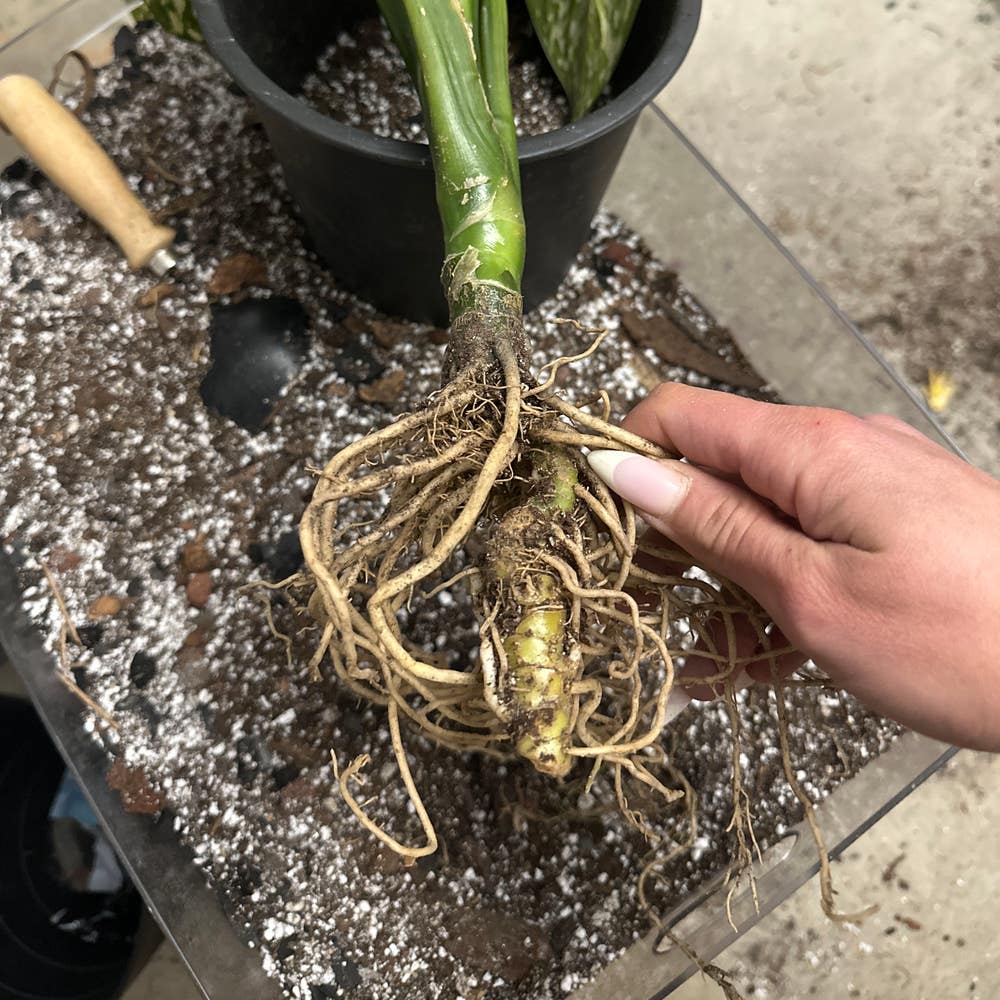
Dieffenbachia 'Panther' boasts a fibrous root system. This type of root structure is characterized by thin, numerous roots that provide both stability and efficient nutrient absorption.
The fibrous nature of these roots allows the plant to adapt quickly to varying soil conditions. This adaptability is essential for thriving in different environments.
Specific Characteristics of Roots 🌿
The roots of Dieffenbachia 'Panther' are relatively shallow but spread widely, enhancing the plant's stability. This wide spread helps the plant anchor itself while also maximizing its access to nutrients.
However, these fibrous roots are sensitive to overwatering. Proper care is crucial to prevent root rot, which can quickly jeopardize the health of your plant.
Understanding these root characteristics is vital for ensuring your Dieffenbachia 'Panther' remains healthy and vibrant. Next, we’ll explore the root depth and spread to further understand how these factors influence care.
Root Depth and Spread
Typical Root Depth 🌱
Dieffenbachia 'Panther' typically has a root depth of 6-12 inches (15-30 cm). This shallow root system allows the plant to easily access surface nutrients, but it also means you need to be careful with your watering practices.
Root Spread and Growth Patterns 🌍
The roots can spread up to 2 feet (60 cm) in diameter. They primarily grow horizontally, actively seeking moisture and nutrients, which means the plant's growth is closely tied to the availability of space and nutrients in the soil.
Understanding these root characteristics is crucial for ensuring your Dieffenbachia 'Panther' thrives. Next, we’ll explore how to properly water, fertilize, and transplant this beautiful plant to support its root health.
Watering, Fertilizing, and Transplanting
🌱 How Root System Affects Watering Needs
Watering your Dieffenbachia 'Panther' is all about balance. Aim to water every 1-2 weeks, ensuring the top inch of soil dries out between sessions.
🚰 Importance of Drainage
Proper drainage is crucial. Always use pots with drainage holes to prevent water accumulation, which can lead to root rot.
🌿 Fertilization Techniques Tailored to Root Health
Fertilizing during the growing season—spring and summer—is essential for root vitality. A balanced liquid fertilizer, like NPK 20-20-20, diluted to half strength, works wonders.
📅 Frequency of Fertilization
Apply fertilizer every 4-6 weeks while the plant is actively growing. This routine supports robust root development and overall plant health.
🌼 Best Practices for Transplanting
Timing is key when transplanting. Aim for spring, as this is when your plant is actively growing and can handle the stress of a move.
🔄 Steps for Transplanting
- Choose a pot that is 1-2 inches larger in diameter.
- Gently remove the plant from its current pot, being careful not to damage the roots.
- Place it in the new pot with fresh, well-draining potting mix.
- Water thoroughly after transplanting to help settle the roots.
By following these watering, fertilizing, and transplanting guidelines, you’ll ensure your Dieffenbachia 'Panther' thrives. Next, let’s explore common root-related issues that can arise and how to tackle them effectively.
Common Root-Related Issues
🦠 Identifying Root Rot and Other Diseases
Root rot is a serious concern for Dieffenbachia 'Panther' owners. Look for symptoms like dark, mushy roots, a foul odor, and wilting leaves; these are clear indicators that something is wrong.
Fungal infections can also compromise root health, leading to further complications. Regular monitoring is key to catching these issues early.
🛠️ Preventative Measures and Solutions
To prevent overwatering, ensure your pot has proper drainage and keep an eye on soil moisture. A good rule of thumb is to let the top inch of soil dry out before watering again.
If you notice signs of root disease, consider using fungicides to treat the problem. Regularly inspecting roots during repotting can help you catch any early signs of trouble, allowing for timely intervention.
By staying vigilant and proactive, you can maintain a healthy root system for your Dieffenbachia 'Panther' and enjoy its vibrant growth. Next, let’s explore how to recognize and address rootbound conditions.
Root Health Indicators
👀 Visual Cues of Healthy Roots
Healthy roots are a sight to behold. They should appear white or light tan, firm to the touch, and free from any mushiness.
A well-established root system will fill the pot, but it shouldn't be tightly packed. This balance is crucial for optimal growth and nutrient absorption.
🚩 Signs of Unhealthy Roots and Corrective Actions
Unhealthy roots can be a red flag for your Dieffenbachia 'Panther'. Look for signs like dark, mushy roots or a foul smell emanating from the soil.
If you spot these issues, take immediate action. Trim away the affected roots and repot the plant in fresh soil to give it a fighting chance. Adjusting your watering practices will also help prevent these problems from recurring.
Understanding these root health indicators is key to nurturing your plant. With the right care, your Dieffenbachia 'Panther' can thrive beautifully.
Next, let’s explore how to recognize and address rootbound conditions to ensure your plant continues to flourish.
Recognizing and Addressing Rootbound Conditions
📏 Definition and Recognition
A rootbound plant occurs when its roots fill the pot and begin circling around the edges, which restricts growth. Common signs include stunted growth, yellowing leaves, and roots visibly emerging from drainage holes.
🛠️ Solutions for Rootbound Plants
To remedy a rootbound situation, repot the plant into a larger container that allows for further root expansion.
Gently loosen any circling roots before placing the plant in new soil to encourage healthy growth.
By addressing rootbound conditions promptly, you can help your Dieffenbachia 'Panther' thrive and flourish. This proactive care ensures that your plant has the space it needs to develop a robust root system, setting the stage for vibrant foliage and overall health.
Next, let’s explore the importance of root health in propagation and how to successfully divide your plant for new growth opportunities.
Importance of Root Health in Propagation
🌱 Techniques for Successful Division
Healthy roots are the backbone of successful propagation and division for your Dieffenbachia 'Panther.' The best time to divide is in spring, when the plant is actively growing and ready to thrive.
To divide your plant effectively, follow these steps:
- Remove the Plant: Gently take the plant out of its pot, being careful not to damage the roots.
- Separate Root Clumps: Gently pull apart the root clumps, ensuring each division has several healthy roots and at least one leaf.
- Replant: Place each division in separate pots filled with fresh potting mix and water them thoroughly.
🏁 Conclusion
Understanding and caring for the root system of your Dieffenbachia 'Panther' is essential for a thriving, healthy plant. By focusing on root health during propagation, you set the stage for vibrant growth and longevity.
⚠️ Safety First
This content is for general information and may contain errors, omissions, or outdated details. It is not medical, veterinary advice, or an endorsement of therapeutic claims.
Always consult a qualified healthcare professional before using any plant as food, medicine, or supplement.
Never eat any plant (or feed one to pets) without confirming its identity with at least two trusted sources.
If you suspect poisoning, call Poison Control (800) 222-1222, the Pet Poison Helpline (800) 213-6680, or your local emergency service immediately.
Spotted an error? Please report it here.
Unlock the secret to thriving roots 🌱 for your Dieffenbachia 'Panther' with Greg's tailored watering and fertilization reminders that keep your plant healthy and vibrant!