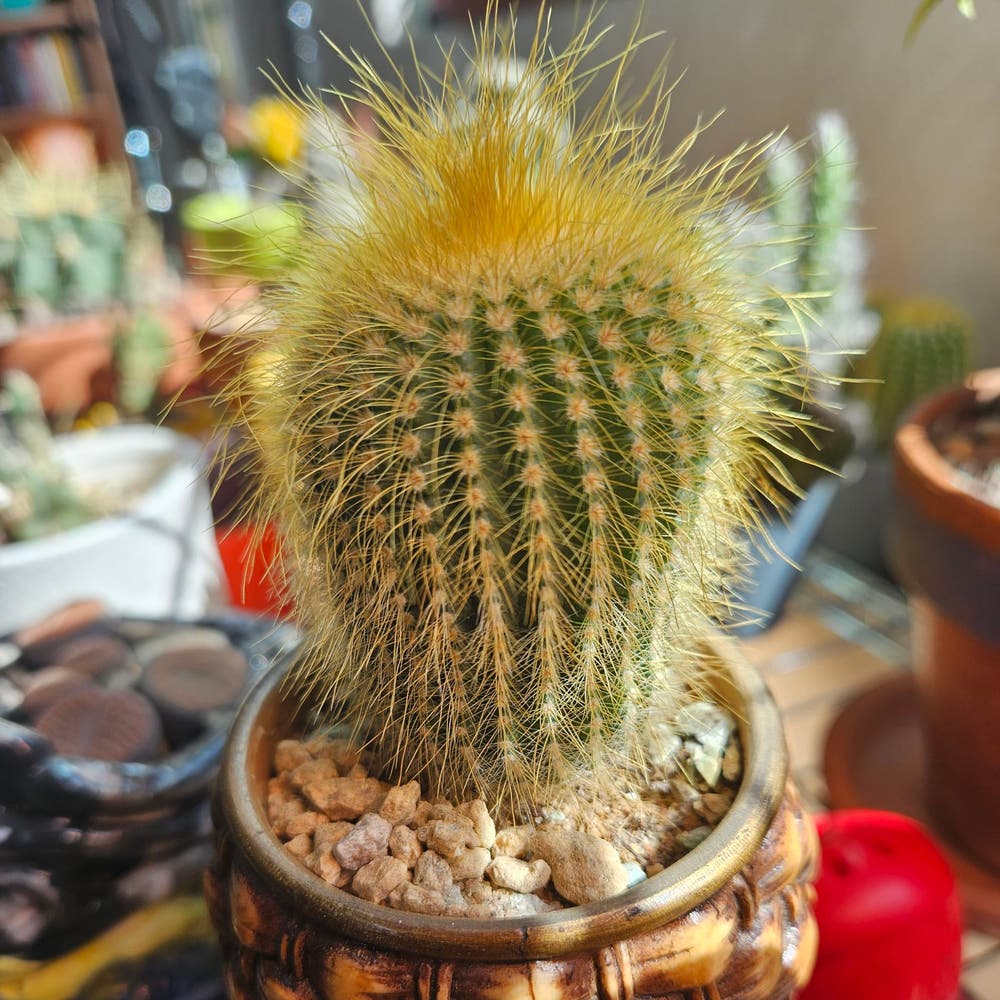
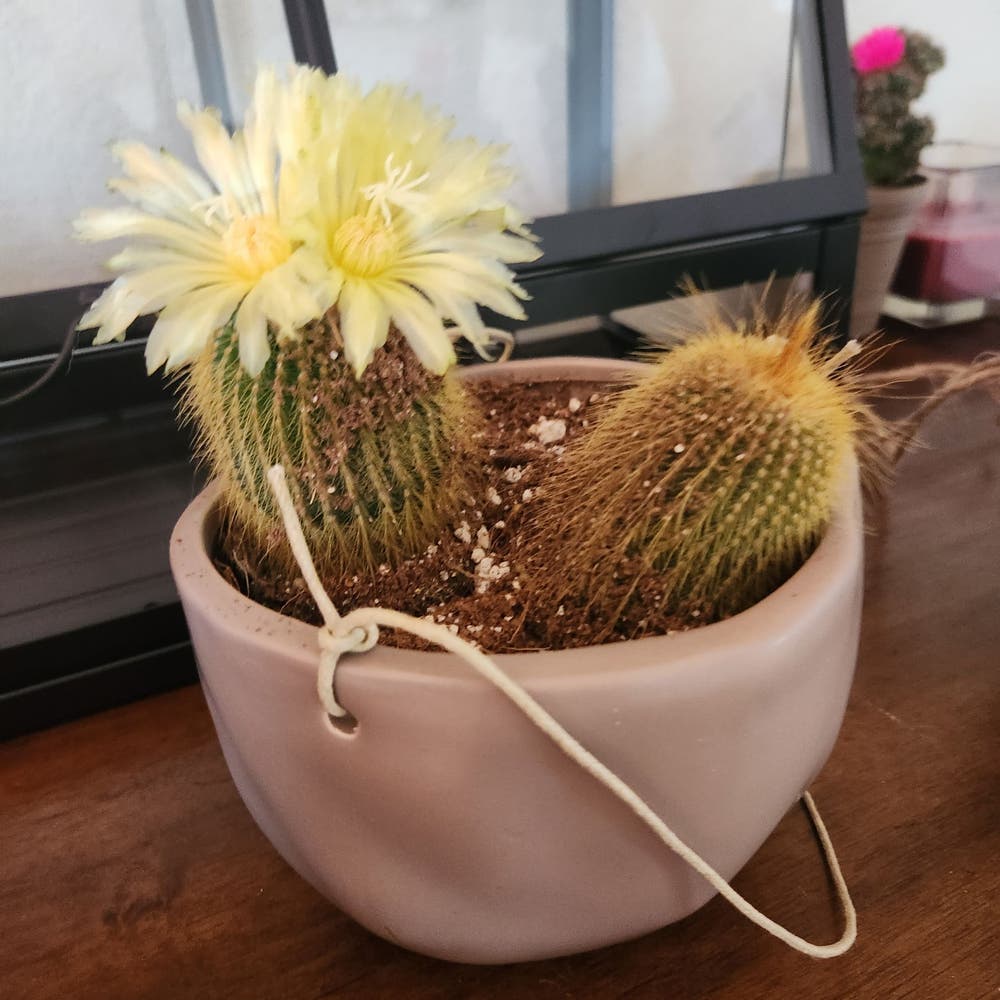
🌵 What to Do When Your Golden Ball Cactus Leaves Turn Yellow
Parodia lenninghausii
By the Greg Editorial Team
Oct 09, 2024•6 min read
This article was created with the help of AI so we can cover more plants for you. May contain errors. See one? Report it here.
Transform your Golden Ball Cactus's yellowing leaves 🌵 into vibrant health with these essential care tips and solutions!
- 🌵 Yellow leaves indicate issues: overwatering, underwatering, sunburn, or nutrient deficiencies.
- 💧 Adjust watering: let soil dry completely to revive yellowing leaves effectively.
- 🐛 Inspect for pests regularly to prevent nutrient depletion and maintain cactus health.
Causes of Yellowing Leaves
💧 Overwatering and Its Effects
Overwatering is a common culprit behind yellowing leaves in your Golden Ball Cactus. Symptoms include soft, mushy leaves and yellowing that typically starts at the base.
This condition can lead to root rot, severely impacting root health. Poor soil drainage can exacerbate these issues, making it crucial to monitor your watering habits.
🚰 Underwatering and Dehydration
On the flip side, underwatering can also cause yellowing leaves. Look for signs like wrinkled or shriveled leaves, with yellowing often beginning at the tips.
Prolonged dehydration can stunt growth and make your cactus more susceptible to pests. It's essential to find a balance in your watering routine.
☀️ Sunburn and Light Exposure
Your cactus can suffer from sunburn if exposed to too much direct sunlight. Signs include brown patches or scorched areas on the leaves, with yellowing often occurring around the edges.
Optimal light exposure for a Golden Ball Cactus is 6-8 hours of indirect sunlight. Be cautious of sudden changes in light intensity, as they can stress the plant.
🥦 Nutrient Deficiencies
🌱 Nitrogen Deficiency
Nitrogen deficiency manifests as general yellowing of leaves and stunted growth. Nitrogen is vital for the overall health of your cactus, so keep an eye on nutrient levels.
⚡ Magnesium Deficiency
Magnesium deficiency presents differently, showing yellowing between leaf veins and potential leaf curling or distortion. Magnesium plays a crucial role in chlorophyll production, making it essential for vibrant, healthy leaves.
🐞 Pest Infestations
Pests can wreak havoc on your Golden Ball Cactus, leading to yellowing leaves. Common offenders include mealybugs, which appear as white, cotton-like masses, and spider mites, identifiable by fine webbing and stippled leaves.
These pests can deplete nutrients and increase stress on your plant. Regular inspections can help catch infestations early, ensuring your cactus remains healthy and vibrant.
Understanding these causes is the first step toward restoring your cactus's health. Next, we'll explore how to diagnose yellow leaves effectively.
Diagnosing Yellow Leaves
🧊 Visual Signs of Overwatering
Overwatering is a common culprit behind yellowing leaves. Look for soft, mushy textures that signal distress, along with soil that feels waterlogged or overly moist.
💧 Identifying Underwatering Symptoms
On the flip side, underwatering can also lead to yellow leaves. Symptoms include wrinkling and shriveling of the leaves, with soil that crumbles or feels completely dry.
☀️ Recognizing Sunburn Damage
Sunburn can wreak havoc on your Golden Ball Cactus. Watch for brown patches or scorched edges, particularly in areas that receive direct sunlight.
🐜 Checking for Pests and Their Signs
Pests can be sneaky but are often visible upon close inspection. Look for pests on the leaves and soil, and check for sticky residue or webbing that may indicate an infestation.
🌱 Soil and Drainage Assessment
Proper soil drainage is crucial for cactus health. Assess the soil texture and composition, and don’t forget to check the pot’s drainage holes for any blockages that could lead to water retention.
Understanding these diagnostic signs will help you pinpoint the issue affecting your cactus. With this knowledge, you can take the necessary steps to restore its health and vibrancy.
Solutions for Yellow Leaves
🌊 Adjusting Watering Practices
To revive your Golden Ball Cactus, start by adjusting your watering frequency. Allow the soil to dry completely between waterings to prevent further yellowing.
Effective watering techniques are crucial. Water deeply but infrequently, ensuring the roots get the moisture they need without becoming waterlogged.
🕳️ Improving Soil Drainage
Soil drainage plays a pivotal role in cactus health. The ideal mix for your Golden Ball Cactus includes potting soil, sand, and perlite.
When repotting, always choose pots with drainage holes. This simple step can significantly enhance soil drainage and root health.
☀️ Providing Proper Light Conditions
Light exposure is another key factor. Gradually acclimate your cactus to brighter light if necessary, avoiding sudden changes that can stress the plant.
It's essential to steer clear of direct midday sun. This can lead to sunburn, further complicating your cactus's recovery.
🌱 Fertilizing for Nutrient Deficiencies
If nutrient deficiencies are suspected, consider fertilizing. A balanced cactus fertilizer containing nitrogen and magnesium can work wonders.
Timing is everything; fertilize during the growing season every 4-6 weeks for optimal results. This will help your cactus regain its vibrant color and health.
🐞 Treating Pest Infestations
Pest infestations can wreak havoc on your cactus. Use neem oil or insecticidal soap to tackle mealybugs effectively.
For spider mites, increasing humidity can deter these pests. Regular monitoring and early intervention are key to keeping your cactus healthy and thriving.
With these solutions, your Golden Ball Cactus can bounce back from yellowing leaves. Next, let’s explore preventative measures to keep your cactus healthy long-term.
Preventative Measures
Best Practices for Watering 🌊
Establishing a consistent watering schedule is crucial for your Golden Ball Cactus. Adjust your frequency based on seasonal changes to ensure the plant receives the right amount of moisture.
Using moisture meters can help gauge soil moisture levels accurately. This tool takes the guesswork out of watering, preventing both overwatering and underwatering.
Ideal Soil Mix for Drainage 🏺
For optimal drainage, aim for a soil mix that consists of 50% potting soil, 30% sand, and 20% perlite. This combination promotes healthy root growth and prevents waterlogging.
Remember to repot your cactus every 2-3 years. Fresh soil not only provides nutrients but also improves drainage.
Optimal Light Conditions for Growth ☀️
Understanding seasonal light variations is essential for your cactus's health. Adjust its placement according to the changing sunlight throughout the year.
During low-light months, consider using grow lights. This ensures your cactus receives adequate light, promoting robust growth.
Regular Pest Inspections 🐜
Conduct monthly checks for signs of pests. Early detection can save your cactus from significant damage.
Maintaining plant hygiene is equally important. Clean leaves and remove debris to create an inhospitable environment for pests.
Seasonal Care Tips to Prevent Yellowing 🍂
Adjust your care practices based on seasonal growth patterns. This proactive approach helps maintain your cactus's vibrant health.
During winter dormancy, reduce watering and light exposure. This mimics natural conditions and supports your cactus's rest period.
By implementing these preventative measures, you can keep your Golden Ball Cactus thriving and vibrant. Next, let’s explore how to diagnose yellow leaves effectively.
⚠️ Safety First
This content is for general information and may contain errors, omissions, or outdated details. It is not medical, veterinary advice, or an endorsement of therapeutic claims.
Always consult a qualified healthcare professional before using any plant as food, medicine, or supplement.
Never eat any plant (or feed one to pets) without confirming its identity with at least two trusted sources.
If you suspect poisoning, call Poison Control (800) 222-1222, the Pet Poison Helpline (800) 213-6680, or your local emergency service immediately.
Spotted an error? Please report it here.
Keep your Golden Ball Cactus vibrant and healthy 🌵 by using Greg's tailored reminders for watering and pest inspections, ensuring those yellow leaves are a thing of the past!