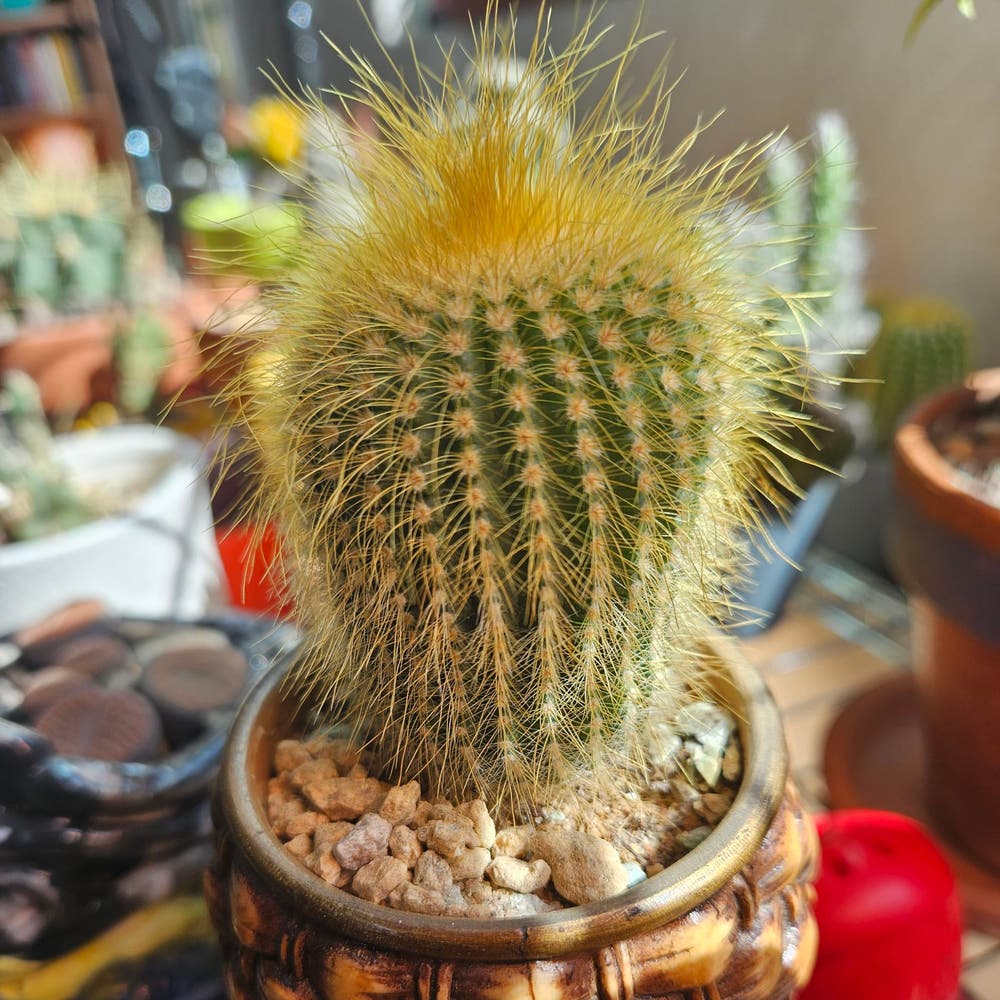
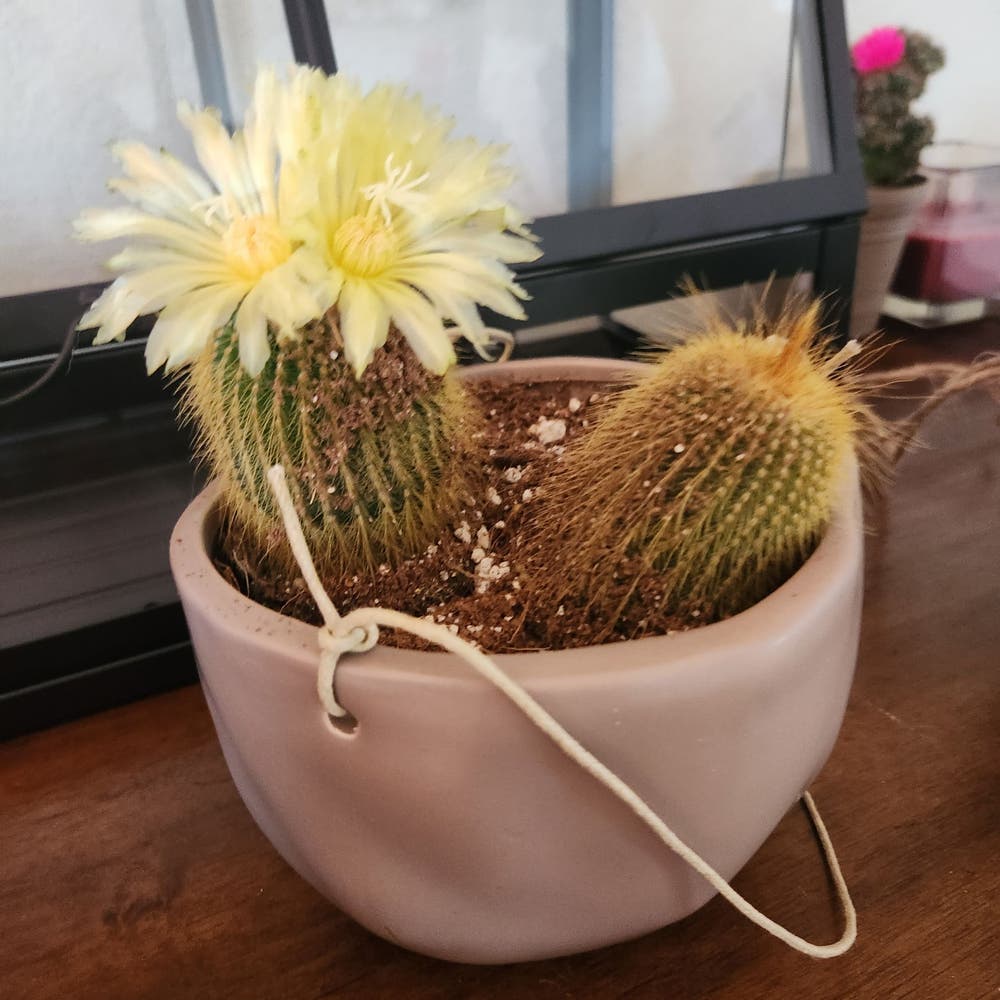
🌵 How to Cure Droopy Leaves on Your Golden Ball Cactus
Parodia lenninghausii
By the Greg Editorial Team
Oct 09, 2024•5 min read
This article was created with the help of AI so we can cover more plants for you. May contain errors. See one? Report it here.
Transform your Golden Ball Cactus 🌵 into a thriving beauty with essential tips for diagnosis and care!
- 🌵 Check soil moisture by inserting your finger; water if dry for healthy leaves.
- 🐛 Inspect for pests like mealybugs; treat infestations promptly to prevent droopiness.
- 🌱 Use a well-draining mix and proper pot to avoid waterlogging and root rot.
Diagnosing the Problem
🌱 How to Assess Soil Moisture Levels
To determine if your Golden Ball Cactus needs watering, start with the finger test. Insert your finger 1-2 inches into the soil: if it feels dry, it’s time to water; if it’s moist, hold off.
For more precise readings, consider using a soil moisture meter. Aim for slightly dry soil, but avoid letting it become bone dry.
🐞 Identifying Pests and Diseases Affecting Leaves
Pests can wreak havoc on your cactus. Common culprits include mealybugs, spider mites, and scale, which leave behind sticky residue, webbing, or visible insects.
Fungal infections can also lead to droopy leaves. If you spot any pests, treatments like neem oil or insecticidal soap can help restore your plant's health.
🌿 Recognizing Nutrient Deficiencies
Nutrient deficiencies can manifest as yellowing leaves or slow growth. Key nutrients to monitor include nitrogen, phosphorus, and potassium.
To get a clearer picture of your soil's nutrient levels, conducting soil tests is essential. This will guide you in providing the right nutrients for optimal growth.
By diagnosing these issues early, you can take proactive steps to ensure your Golden Ball Cactus thrives. Next, let’s explore treatment and recovery strategies to bring your cactus back to life.
Treatment and Recovery
Step-by-Step Guide to Adjusting Watering Practices 🌊
Adjusting your watering practices is crucial for reviving your Golden Ball Cactus. Start by determining your current watering schedule, noting how often and how much you water.
Next, assess the soil moisture. If the soil feels overly wet, reduce your watering frequency. Conversely, if it’s too dry, increase your watering to help the plant recover.
Finally, ensure you’re using a well-draining potting mix. Incorporate materials like sand or perlite to enhance drainage and prevent waterlogging.
How to Improve Soil Drainage 🚰
Soil drainage is vital for cactus health. Choose a cactus-specific potting mix that promotes airflow and prevents root rot.
Consider adding drainage materials such as perlite or coarse sand to your mix. These additions help create a loose structure that allows excess water to escape.
Also, ensure your pot has drainage holes. This simple step can make a significant difference in preventing water accumulation at the bottom.
Methods for Treating Pests and Diseases 🦠
If pests or diseases are affecting your cactus, prompt action is essential. Start with manual removal; gently wipe off any visible pests using a damp cloth.
For more stubborn infestations, consider chemical treatments like neem oil or insecticidal soap. These options can effectively eliminate pests while being relatively safe for your plant.
Lastly, quarantine any affected plants. This helps prevent the spread of pests or diseases to your healthy cacti, ensuring they remain vibrant and thriving.
By following these treatment and recovery steps, you can restore your Golden Ball Cactus to its former glory. Next, let’s explore preventative measures to keep your cactus healthy in the long run.
Preventative Measures
🌊 Best Practices for Watering Golden Ball Cactus
Water your Golden Ball Cactus every 2-3 weeks during the growing season. In winter, reduce watering to prevent root rot and ensure your plant stays healthy.
Always observe your cactus's response to watering. Adjust your schedule based on the health of the leaves; they should look firm and vibrant.
🌱 Ideal Soil Mix for Optimal Health
A good cactus mix typically consists of 50% potting soil, 25% sand, and 25% perlite. This combination promotes excellent drainage and prevents water retention.
Aeration is crucial for root health. It ensures that roots receive adequate oxygen, which is essential for growth.
🍂 Seasonal Care Tips to Prevent Droopy Leaves
In spring, increase watering as your cactus begins to grow. This is the time for rejuvenation, so give it the hydration it craves.
During summer, keep an eye out for signs of sunburn, like discoloration or browning. In fall and winter, reduce watering and provide warmth to help your cactus thrive through the colder months.
By following these preventative measures, you can keep your Golden Ball Cactus healthy and vibrant. This proactive approach will help you avoid droopy leaves and ensure your cactus remains a stunning addition to your collection.
Monitoring and Maintenance
Regular Checks for Leaf Health 🌿
To keep your Golden Ball Cactus thriving, conduct weekly inspections for droopiness. Healthy leaves should feel firm and display a vibrant color.
Signs to Watch for in Healthy vs. Droopy Leaves 👀
Recognizing the difference between healthy and droopy leaves is crucial. Healthy leaves are plump and upright, while droopy leaves appear soft and wilted.
When to Repot or Change Soil 🌱
Repotting is essential when your cactus shows signs of being root-bound or if drainage is poor. Aim to repot in early spring, just before the growth season kicks in.
Steps for Repotting
- Gently remove the cactus from its pot.
- Inspect the roots for any damage or overcrowding.
- Replace the old soil with fresh, well-draining mix.
By keeping a close eye on your cactus and knowing when to repot, you can ensure it remains healthy and vibrant. This proactive approach will help prevent droopy leaves and promote robust growth.
⚠️ Safety First
This content is for general information and may contain errors, omissions, or outdated details. It is not medical, veterinary advice, or an endorsement of therapeutic claims.
Always consult a qualified healthcare professional before using any plant as food, medicine, or supplement.
Never eat any plant (or feed one to pets) without confirming its identity with at least two trusted sources.
If you suspect poisoning, call Poison Control (800) 222-1222, the Pet Poison Helpline (800) 213-6680, or your local emergency service immediately.
Spotted an error? Please report it here.
Revive your Golden Ball Cactus and keep it vibrant 🌵 with Greg's tailored watering reminders and pest alerts to ensure those leaves stay perky and healthy!