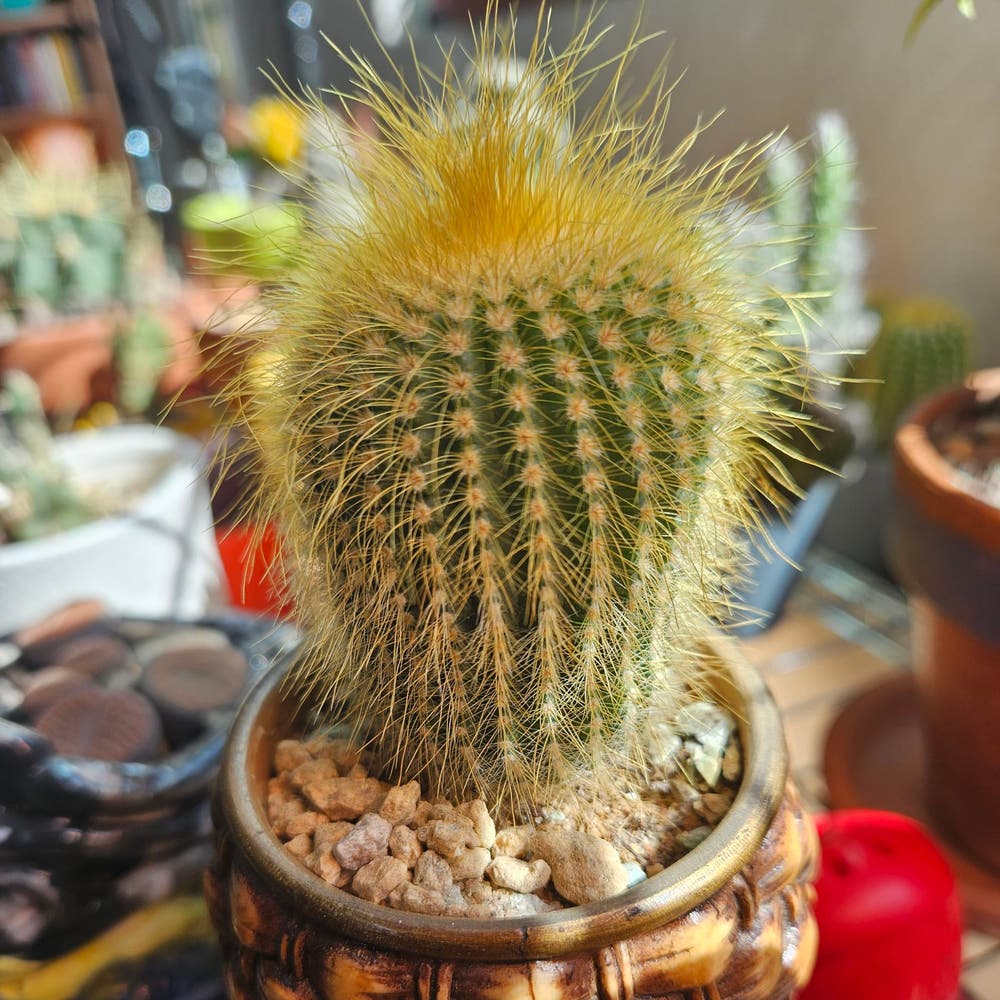
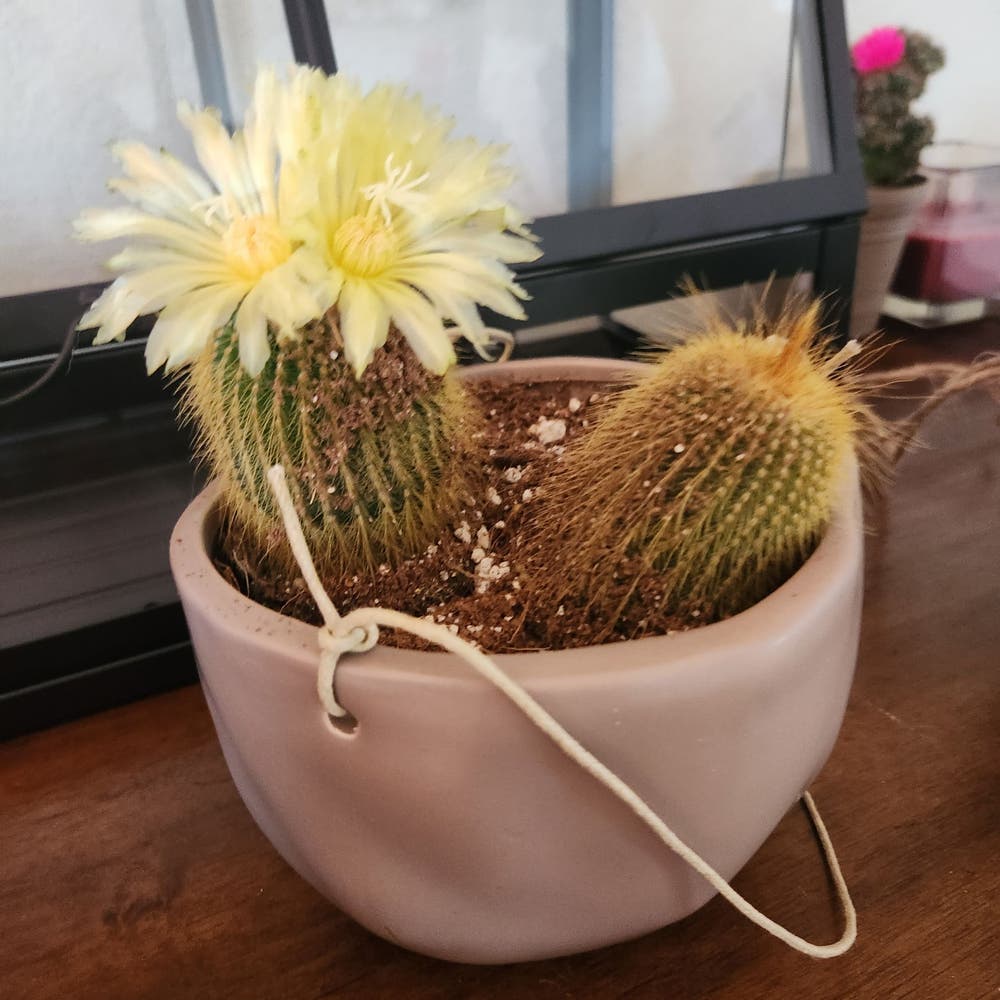
🌞 Golden Ball Cactus Buds Won't Open
Parodia lenninghausii
By the Greg Editorial Team
Oct 09, 2024•5 min read
This article was created with the help of AI so we can cover more plants for you. May contain errors. See one? Report it here.
Transform your Golden Ball Cactus into a blooming beauty 🌼 with these expert care tips for vibrant flowers!
- 🌞 Golden Ball Cactus needs 6-8 hours of sunlight daily for blooming success.
- 🌱 Nutrient deficiencies in phosphorus, nitrogen, and potassium hinder flower development.
- 💧 Overwatering causes flower drop; monitor soil moisture to prevent issues.
Failure to Bloom
🌞 Causes
Insufficient Light
Golden Ball Cactus needs ample sunlight to trigger blooming. Without adequate light, the bloom cycle can stall, leaving you with a cactus that simply won't flower.
Inadequate Nutrition
Nutrients play a crucial role in flower development. If your cactus lacks essential nutrients, you might notice signs like stunted growth or yellowing pads.
Environmental Stress
Stress factors can significantly impact flowering success. Common stressors for Golden Ball Cactus include extreme temperatures, humidity fluctuations, and poor air circulation.
💡 Solutions
Adjusting Light Exposure
To encourage blooming, aim for full sun exposure of 6-8 hours daily. If you're growing indoors, consider placing your cactus near a south-facing window or using grow lights to maximize light exposure.
Fertilization Tips
Use fertilizers rich in phosphorus to promote flowering. Apply them every 4-6 weeks during the growing season for optimal results.
🛠️ Stress Reduction Techniques
Identify and mitigate environmental stressors to create a stable environment. Consistent conditions are key to encouraging your cactus to bloom successfully.
With these insights, you're well-equipped to tackle the challenges of blooming Golden Ball Cactus. Next, let’s explore the issue of premature flower drop and how to prevent it.
Premature Flower Drop
🌊 Causes
Overwatering
Overwatering is a common culprit behind premature flower drop in Golden Ball Cactus. Signs include yellowing leaves and mushy stems, indicating that the roots are drowning rather than thriving.
Moisture levels play a crucial role in bud retention. Excess water can lead to root rot, which disrupts the plant's ability to support its flowers.
Sudden Temperature Changes
Temperature fluctuations can also wreak havoc on flowering. Golden Ball Cactus thrives in stable conditions, and sudden changes can shock the plant, causing it to drop buds prematurely.
The ideal temperature range for this cactus is between 70°F to 100°F (21°C to 38°C). Keeping temperatures consistent helps ensure your cactus remains healthy and blooms beautifully.
Pest Infestations
Pests can be sneaky, often causing premature flower drop without obvious signs. Common offenders include spider mites and mealybugs, which can sap the plant's energy and vitality.
Look for symptoms like webbing or sticky residue on the leaves. These signs indicate that your cactus may be under attack and in need of immediate attention.
🛠️ Solutions
Watering Guidelines
To prevent overwatering, stick to a watering schedule that allows the soil to dry out completely between sessions. Generally, watering every 2-3 weeks is sufficient, depending on your environment.
Ensure your cactus is planted in well-draining soil. This prevents water from pooling around the roots and reduces the risk of root rot.
Temperature Management
Maintaining stable temperatures is key to keeping your Golden Ball Cactus happy. Use a thermometer to monitor conditions, especially during seasonal changes.
Consider moving your cactus indoors during extreme weather. This simple adjustment can protect it from temperature shocks and promote healthy blooming.
Pest Control Methods
Identifying pests early is crucial for effective control. Regularly inspect your cactus for any signs of infestation, such as discoloration or unusual growth patterns.
For pest control, consider both organic and chemical options. Neem oil is a popular organic choice, while insecticidal soaps can effectively tackle more severe infestations.
By addressing these causes and implementing these solutions, you can help your Golden Ball Cactus thrive and enjoy a stunning display of blooms. Next, let’s explore the topic of abnormal flower development and how to ensure your cactus flowers beautifully.
Abnormal Flower Development
🌱 Causes
Nutrient Deficiencies
Nutrient deficiencies can severely hinder the blooming process of your Golden Ball Cactus. Key nutrients like nitrogen, phosphorus, and potassium are essential for healthy flower development, and a lack of these can lead to stunted growth and poor flowering.
Symptoms of nutrient deficiencies include yellowing leaves, poor bud formation, and a general lack of vigor. If you notice these signs, it’s time to assess your cactus's nutrition.
Improper Pruning
Incorrect pruning techniques can also affect blooming. If you prune at the wrong time or remove too much foliage, you may disrupt the plant's natural growth cycle.
Timing is crucial; pruning should ideally be done during the dormant season. This allows the cactus to focus its energy on blooming when the time is right.
Disease
Diseases can wreak havoc on flowering quality. Common issues include fungal infections and rot, which can lead to wilting and flower drop.
Look for signs like discoloration, mushy stems, or unusual spots on the leaves. Early detection is key to preserving your cactus's blooms.
💡 Solutions
Identifying Nutrient Needs
Start by testing your soil for nutrient levels. This will help you understand what your cactus is lacking.
Once you identify deficiencies, adjust your fertilization routine accordingly. Use a balanced fertilizer to ensure your cactus gets the nutrients it needs for robust blooms.
Proper Pruning Techniques
Follow best practices for pruning your Golden Ball Cactus. Use clean, sharp tools to make precise cuts and avoid damaging the plant.
Timing matters; prune during the dormant season to encourage healthy growth and blooming in the spring. This will set your cactus up for success.
Disease Management
Preventative measures are essential for avoiding disease. Ensure good air circulation and avoid overwatering to keep your cactus healthy.
If disease strikes, act quickly. Use appropriate treatments, whether organic or chemical, to restore your cactus's health and protect its blooms.
By addressing these factors, you can help your Golden Ball Cactus thrive and produce stunning flowers. Next, let’s explore the causes and solutions for premature flower drop.
⚠️ Safety First
This content is for general information and may contain errors, omissions, or outdated details. It is not medical, veterinary advice, or an endorsement of therapeutic claims.
Always consult a qualified healthcare professional before using any plant as food, medicine, or supplement.
Never eat any plant (or feed one to pets) without confirming its identity with at least two trusted sources.
If you suspect poisoning, call Poison Control (800) 222-1222, the Pet Poison Helpline (800) 213-6680, or your local emergency service immediately.
Spotted an error? Please report it here.
Unlock stunning blooms 🌵 for your Golden Ball Cactus by using Greg's tailored care reminders to ensure it gets the sunlight, nutrients, and stable environment it craves!