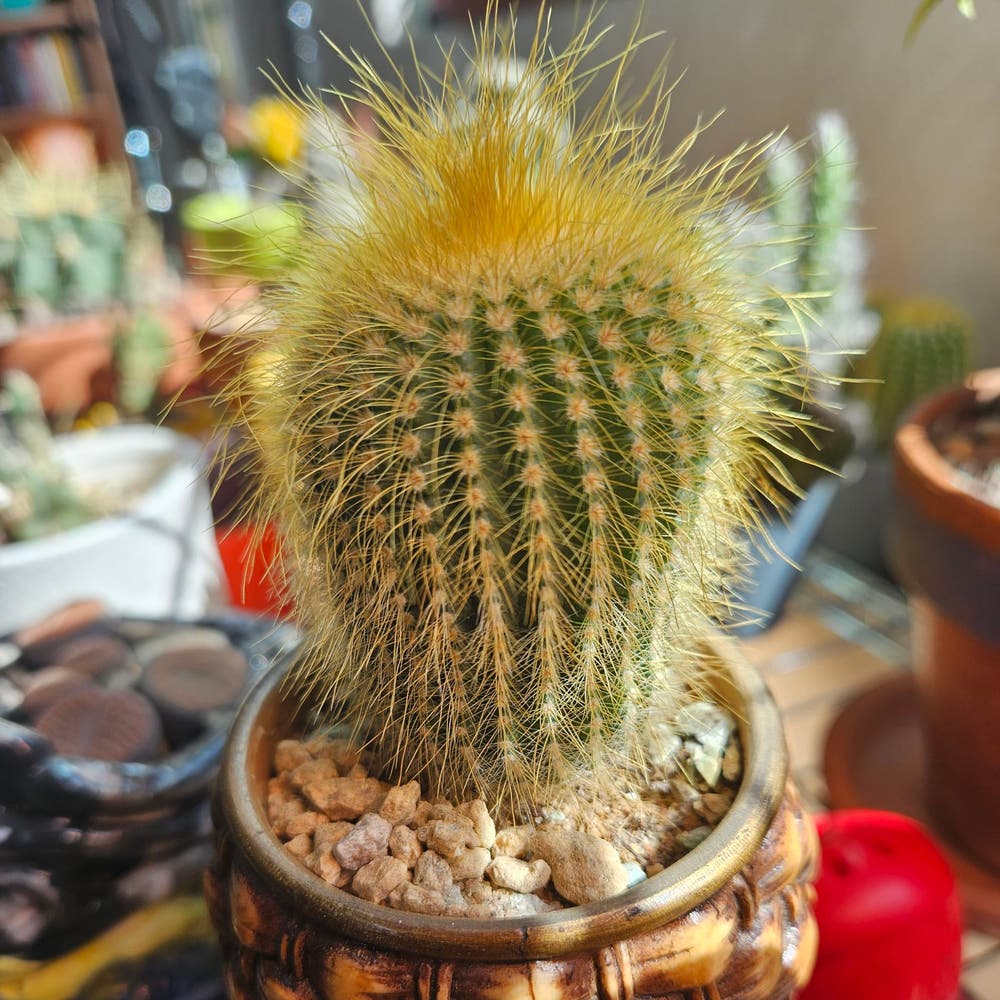
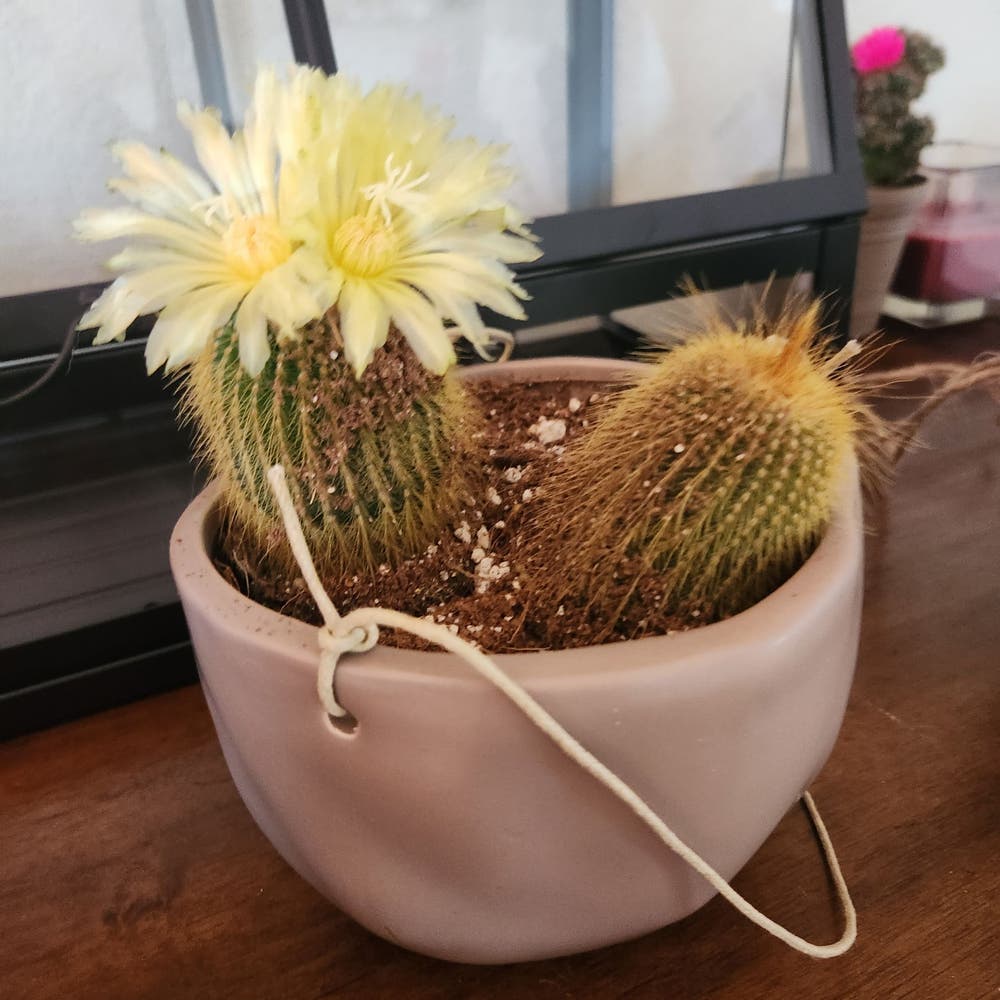
🌵 How to Fix Root Rot in Your Golden Ball Cactus
Parodia lenninghausii
By the Greg Editorial Team
Oct 09, 2024•4 min read
This article was created with the help of AI so we can cover more plants for you. May contain errors. See one? Report it here.
Revive your Golden Ball cactus from root rot 🌵 with this essential step-by-step guide for healthier plants!
- 🌱 Inspect roots regularly to identify healthy versus rotting roots for effective treatment.
- ✂️ Trim brown, mushy roots with sterilized scissors to prevent further decay.
- 🌵 Use well-draining soil and pots with drainage holes to prevent root rot.
Treating Root Rot
🛠️ Step-by-Step Treatment Process
Remove the cactus from its pot
Gently take your cactus out of its pot. This step is crucial for assessing the root situation.Inspect roots: Identify healthy vs. rotting roots
Look closely at the roots. Healthy roots are firm and white, while rotting roots will appear brown and mushy.Trim affected roots: Use sterilized scissors to cut away rotten sections
Grab your sterilized scissors and carefully trim away any rotten roots. This helps prevent further decay.Allow roots to dry: Place cactus in a dry, shaded area for 24 hours
Set your cactus in a dry, shaded spot. Letting it dry out is essential for recovery.Prepare new potting mix: Use well-draining cactus soil
Choose a well-draining cactus soil mix. This will provide the right environment for your cactus to thrive.Repot the cactus: Position it in the new soil, ensuring stability
Place the cactus in the new soil, making sure it stands upright. Stability is key for its recovery.
🧰 Tools and Materials Needed for Treatment
Sterilized pruning shears or scissors
Essential for trimming rotten roots without introducing bacteria.Well-draining cactus soil mix
A must-have to prevent future root rot.New pot with drainage holes
Ensures excess water can escape, keeping roots dry.Gloves (optional for handling cactus)
Protect your hands while working with spiky plants.
By following these steps and using the right tools, you can effectively treat root rot in your Golden Ball Cactus. This process not only saves your plant but also sets it up for a healthier future. Next, let’s explore how to prevent root rot from occurring in the first place.
Preventing Root Rot
Best Soil Types 🌱
Choosing the right soil is crucial for your Golden Ball cactus. A well-draining cactus mix is your best bet, typically containing sand, perlite, and peat.
Aim for a pH level between 6.0 and 7.0, which is slightly acidic to neutral. Avoid heavy soils, like garden soil or potting mixes lacking drainage components, as they can trap moisture and lead to root rot.
Watering Techniques to Avoid Root Rot 🚿
Watering frequency plays a significant role in preventing root rot. Always allow the soil to dry out completely between waterings to avoid excess moisture.
Adjust your watering schedule seasonally. In winter, when your cactus is dormant, reduce watering to prevent over-saturation. Consider using a moisture meter to accurately gauge soil moisture levels, ensuring your cactus gets just the right amount of water.
Importance of Pot Drainage 🪴
Proper pot drainage is essential for cactus health. Ensure your pot has drainage holes to prevent water accumulation, which can lead to root rot.
Terracotta pots are preferable due to their breathability, allowing moisture to escape. Elevate your pots using pot feet or trays to facilitate drainage and keep excess water from pooling at the bottom.
By implementing these preventive measures, you can keep your Golden Ball cactus thriving and healthy. Next, let’s explore how to monitor your plant's health effectively.
Monitoring Plant Health
🌱 Regular Checks for Root Health
Keeping an eye on your cactus is crucial for its well-being. Monthly inspections can help you spot signs of overwatering or root issues early on.
Make it a habit to test soil moisture regularly. This will give you a clear picture of when your cactus needs water and when it doesn't.
🌿 Signs of Recovery from Root Rot
After treatment, look for signs that your cactus is bouncing back. New growth, like fresh spines or body expansion, is a positive indicator.
You should also check the firmness of the roots. If they regain their texture and structure, that’s a good sign of recovery.
🩺 When to Seek Professional Help
Sometimes, despite your best efforts, root rot symptoms may persist. If you notice ongoing issues, it might be time to consult a professional.
Extensive root damage is another red flag. If a significant portion of the root system is affected, expert advice can be invaluable.
Finally, if you're uncertain whether the issue is root rot or another disease, don’t hesitate to seek help. Better safe than sorry when it comes to your cactus’s health!
With these monitoring tips, you can ensure your Golden Ball Cactus thrives and avoids the pitfalls of root rot. Next, let’s dive into effective prevention strategies to keep your cactus healthy and vibrant.
⚠️ Safety First
This content is for general information and may contain errors, omissions, or outdated details. It is not medical, veterinary advice, or an endorsement of therapeutic claims.
Always consult a qualified healthcare professional before using any plant as food, medicine, or supplement.
Never eat any plant (or feed one to pets) without confirming its identity with at least two trusted sources.
If you suspect poisoning, call Poison Control (800) 222-1222, the Pet Poison Helpline (800) 213-6680, or your local emergency service immediately.
Spotted an error? Please report it here.
Combat root rot in your Golden Ball cactus with these vital tips, and let Greg's custom watering alerts 🌵 keep your plant thriving and healthy!