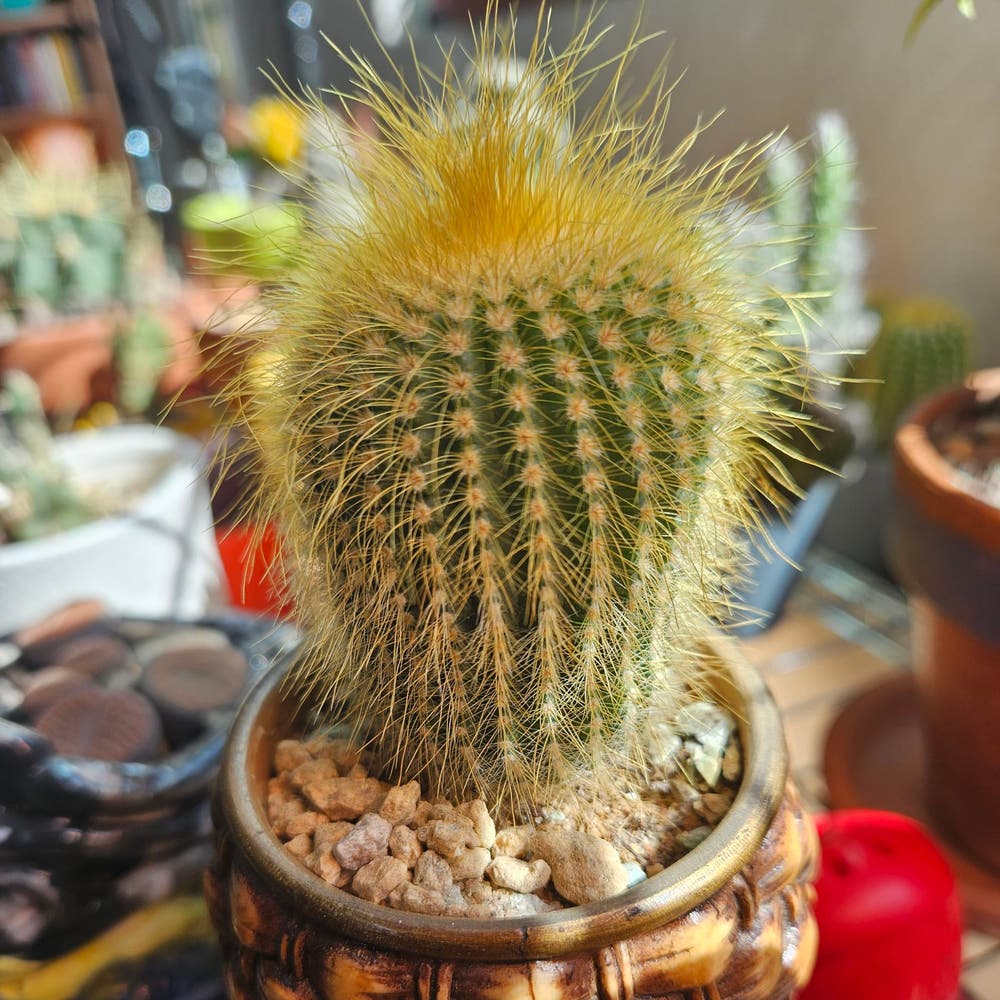
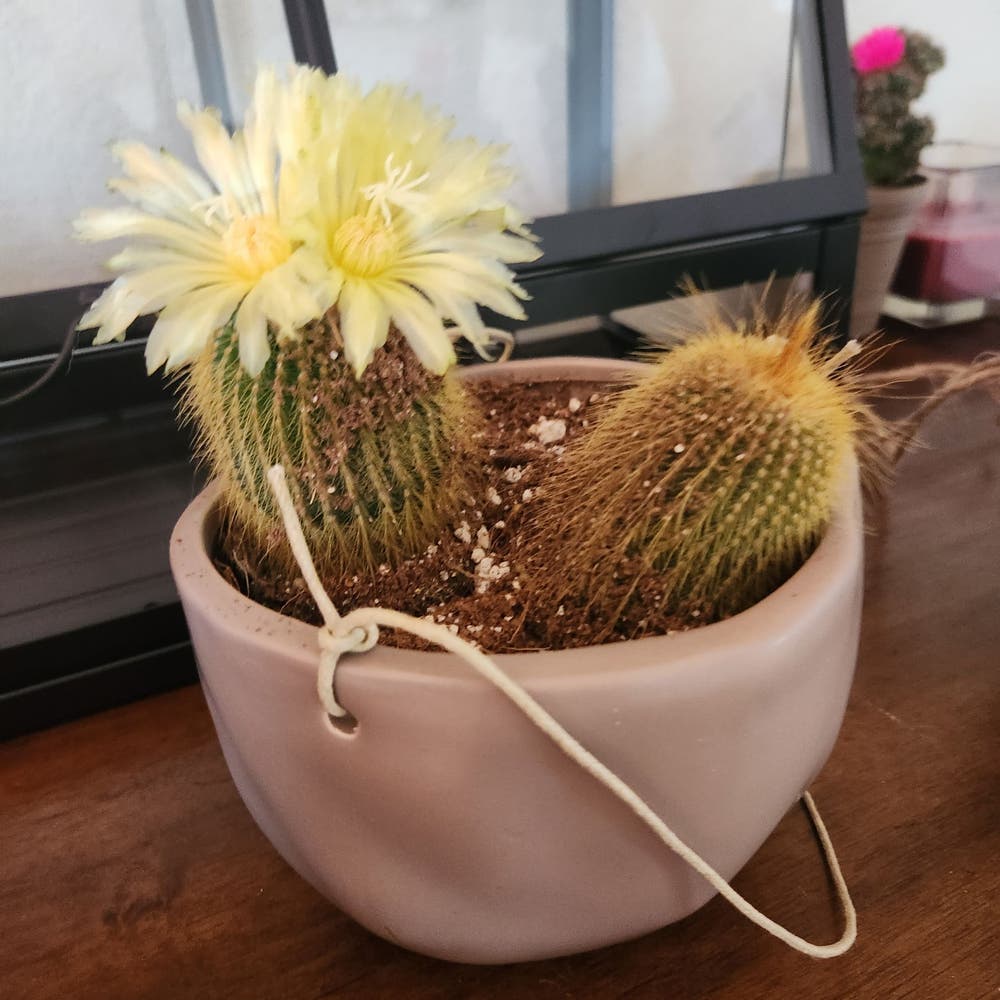
Best Tips for Dealing with Black Spots on Golden Ball Cactus 🌵
Parodia lenninghausii
By the Greg Editorial Team
Oct 09, 2024•4 min read
This article was created with the help of AI so we can cover more plants for you. May contain errors. See one? Report it here.
Transform your Golden Ball Cactus care 🌵 by mastering diagnosis and treatment of black spots for a thriving plant!
- 🔍 Regular inspections help identify black spots early on your Golden Ball Cactus.
- 💧 Overwatering causes black spots; ensure soil dries completely between waterings.
- 🌞 Provide six hours of sunlight daily to prevent black spots from developing.
Diagnosing the Problem
How to Assess Health 🌵
Start with a visual inspection of your Golden Ball Cactus. Look for any irregularities in shape, color, or texture that could indicate health issues.
Next, feel the soil to assess moisture levels. Overwatering is a common culprit for black spots, so ensure the soil isn't overly damp.
Tools for Diagnosis 🔍
A magnifying glass can be your best friend in diagnosing problems. Use it to closely examine any spots for pests or signs of fungal growth.
Additionally, a soil moisture meter can provide accurate readings of moisture levels. This tool helps you determine if your watering practices need adjustment.
Differentiating Between Black Spots and Other Issues 🕵️♂️
It's crucial to differentiate between sunburn and black spots. Compare the appearance and location of the spots to identify the issue accurately.
Also, check for pests. Look for signs of infestation alongside black spots, as this could complicate the diagnosis and treatment.
By following these steps, you can effectively assess the health of your cactus and identify the root cause of any black spots. This foundational knowledge will set you up for successful treatment and prevention.
Treatment Options
Step-by-Step Guide to Treating Black Spots 🌵
Isolate the Affected Cactus
Start by moving the cactus away from other plants. This prevents any potential spread of the issue.Remove Infected Areas
Use sterilized tools to cut away any visibly infected parts. This helps to stop the problem from worsening.Adjust Watering Schedule
Allow the soil to dry out completely between waterings. This is crucial for preventing further fungal growth.
Recommended Fungicides and Treatments 💊
Chemical Fungicides
Look for specific brands like Funginex or Daconil. Follow the application instructions carefully for best results.Organic Options
Consider using Neem oil or a baking soda solution. These are effective and safer alternatives for treating fungal issues.
Natural Remedies for Black Spots 🌿
Cinnamon Powder
Sprinkle cinnamon on the infected areas. It acts as a natural fungicide and can help in healing.Diluted Hydrogen Peroxide
Use a mixture of hydrogen peroxide and water for minor fungal infections. This can effectively treat the spots without harming the cactus.
By following these treatment options, you can effectively manage black spots on your Golden Ball Cactus. Next, let’s explore how to prevent these issues from arising in the first place.
Preventing Black Spots
💧 Best Watering Practices
Watering your Golden Ball Cactus correctly is crucial. Always allow the soil to dry completely between waterings to prevent black spots.
Look out for signs of overwatering, such as yellowing leaves and a mushy texture. These indicators can signal that your cactus is struggling and needs immediate attention.
🕳️ Importance of Soil Drainage
Soil drainage plays a vital role in cactus health. Use a well-draining cactus mix or add perlite to ensure excess water can escape.
When selecting pots, make sure they have drainage holes. This simple step can prevent water accumulation and keep your cactus thriving.
☀️ Optimal Light Conditions
Light exposure is another key factor in preventing black spots. Aim for full sun for at least six hours daily to keep your cactus healthy.
If you're growing indoors, consider using grow lights. This can help mimic natural sunlight and support your cactus's growth when natural light is insufficient.
By following these preventative measures, you can significantly reduce the risk of black spots on your Golden Ball Cactus. Next, let’s explore ongoing care and monitoring to ensure your cactus remains in top shape.
Ongoing Care and Monitoring
Regular Inspection Routines 🕵️♂️
Keeping a close eye on your Golden Ball Cactus is essential. Conduct weekly checks to spot any new black spots or changes in existing ones.
Adjust your inspection frequency with the seasons. During high humidity months, increase your checks to catch any issues early.
Signs of Recovery or Worsening Conditions 🌱
Recognizing signs of recovery can be incredibly rewarding. Look for new growth and the disappearance of black spots as positive indicators.
On the flip side, be vigilant for worsening conditions. If you notice the spread of spots or additional discoloration, it’s time to reassess your care routine.
Regular monitoring not only helps in maintaining the health of your cactus but also enhances your connection with this unique plant. With attentive care, you can ensure your Golden Ball Cactus thrives beautifully.
Next, let’s explore the best practices for preventing black spots from appearing in the first place.
⚠️ Safety First
This content is for general information and may contain errors, omissions, or outdated details. It is not medical, veterinary advice, or an endorsement of therapeutic claims.
Always consult a qualified healthcare professional before using any plant as food, medicine, or supplement.
Never eat any plant (or feed one to pets) without confirming its identity with at least two trusted sources.
If you suspect poisoning, call Poison Control (800) 222-1222, the Pet Poison Helpline (800) 213-6680, or your local emergency service immediately.
Spotted an error? Please report it here.
Combat black spots on your Golden Ball Cactus with regular inspections and tailored care, and let Greg guide you with personalized reminders and expert community tips for thriving plants! 🌵