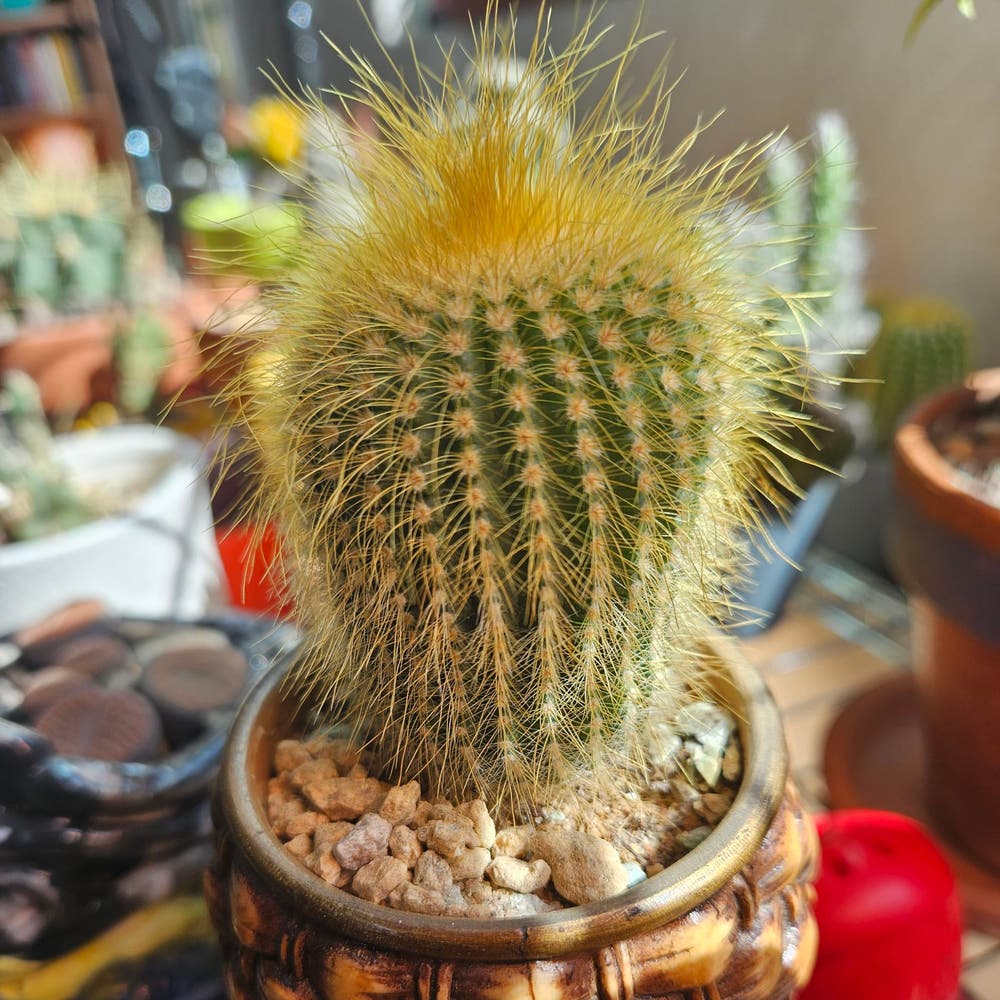
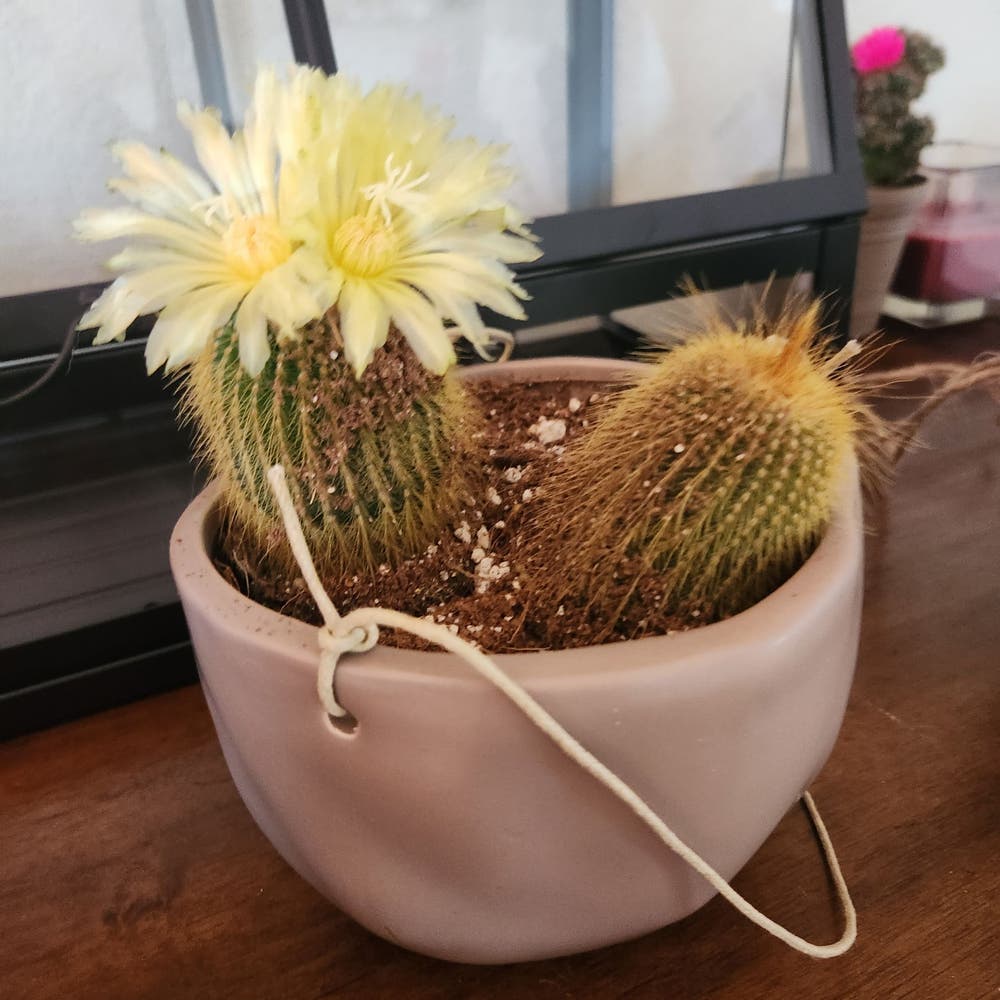
🌵 How to Cure Leaves Falling Over on Your Golden Ball Cactus
Parodia lenninghausii
By the Greg Editorial Team
Oct 09, 2024•5 min read
This article was created with the help of AI so we can cover more plants for you. May contain errors. See one? Report it here.
Transform your Golden Ball Cactus care 🌵 with essential tips for vibrant growth and lasting health!
- 💧 Overwatering causes leaf drop; ensure soil dries completely before watering again.
- ☀️ Optimal light is key; provide 6-8 hours of bright, indirect sunlight daily.
- 🐛 Regular pest inspections are essential; treat infestations promptly with neem oil.
Causes of Leaf Drop
💧 Overwatering: Signs and Solutions
Overwatering is a common culprit behind leaf drop in Golden Ball Cacti. Look for yellowing leaves, a mushy or translucent texture, and dark, mushy roots upon inspection—these are clear signs of trouble.
To remedy overwatering, allow the soil to dry out completely. If the problem persists, consider repotting your cactus in fresh, well-draining soil to promote healthy growth.
🚰 Underwatering: Signs and Solutions
Underwatering can also lead to leaf drop, manifesting as drooping leaves and a dry, shriveled appearance. These symptoms indicate that your cactus is thirsty and needs immediate attention.
To address underwatering, water your cactus thoroughly until moisture drains from the bottom. Adjust your watering schedule to prevent future issues and keep your cactus thriving.
☀️ Light Issues: Too Much or Too Little
Light conditions play a crucial role in the health of your cactus. Signs of light-related problems include etiolation, where the cactus stretches toward the light source, and scorched leaves, which show brown patches from excessive sunlight.
To solve these issues, move your cactus to a location with bright, indirect sunlight. If direct sunlight is unavoidable, consider using sheer curtains to diffuse harsh rays.
🐞 Pest Infestations: Identification and Treatment
Pest infestations can wreak havoc on your Golden Ball Cactus. Common pests include mealybugs, identifiable by their white, cotton-like masses, and spider mites, which leave fine webbing and stippled leaves.
For treatment, apply neem oil or insecticidal soap as directed. Regular inspections are key to catching infestations early, ensuring your cactus remains healthy and vibrant.
By understanding these causes of leaf drop, you can take proactive steps to keep your Golden Ball Cactus thriving. Next, let’s explore preventive measures to maintain its health and vitality.
Preventive Measures
Proper Watering Techniques 🌊
Watering your Golden Ball Cactus is crucial for its health. Always allow the soil to dry out completely between waterings to prevent overwatering.
The "soak and dry" method is your best friend here. Water thoroughly until it drains from the bottom, then wait until the soil is dry before the next watering.
Ideal Soil Composition and Drainage 🪴
Choosing the right soil is essential for your cactus's well-being. A cactus mix or well-draining potting soil is recommended to ensure proper drainage.
Good drainage prevents root rot and promotes healthy growth. Always opt for pots with drainage holes to facilitate this process.
Optimal Light Conditions ☀️
Light plays a significant role in the health of your cactus. Aim for bright, indirect sunlight for about 6-8 hours daily.
Avoid direct harsh sunlight, as it can lead to leaf burn. A little adjustment in placement can make a big difference.
Temperature and Humidity Considerations 🌡️
Your Golden Ball Cactus thrives in a specific temperature range. Ideally, keep it between 70°F to 100°F (21°C to 38°C) for optimal growth.
Humidity is another factor to consider. Cacti prefer low humidity, so avoid overly humid environments to keep your plant happy and healthy.
By following these preventive measures, you set your Golden Ball Cactus up for success. Next, let’s explore step-by-step solutions for common issues you might encounter.
Step-by-Step Solutions
🌱 How to Repot for Better Drainage
Repotting your Golden Ball Cactus can significantly improve its health. Follow these steps for optimal results:
- Choose a pot with drainage holes: This is crucial for preventing water accumulation.
- Remove the cactus from its current pot: Gently grasp the base and lift it out, being careful not to damage the plant.
- Inspect roots for rot: Look for dark, mushy areas and trim any damaged roots with clean scissors.
- Fill the new pot with fresh, well-draining soil: A cactus mix works best to promote airflow and drainage.
- Replant the cactus: Ensure it sits at the same depth as before to avoid stress.
💧 Adjusting Watering Schedules
Getting your watering routine right is key to a thriving cactus. Here’s how to adjust it effectively:
- Establish a consistent watering routine: Base this on the season; cacti need more water during growth periods.
- Check soil moisture levels before watering: Stick your finger about an inch into the soil; if it feels dry, it’s time to water.
- Use a moisture meter for accurate readings: This tool can help you avoid the pitfalls of over or underwatering.
🐞 Treating Pests Effectively
Pest infestations can be a real headache for cactus owners. Here’s how to tackle them:
- Identify the type of pest present: Look for signs like white cotton masses or fine webbing.
- Apply neem oil or insecticidal soap: Follow the instructions on the product for the best results.
- Monitor the plant for signs of recovery: Keep an eye on your cactus to ensure it’s bouncing back.
With these step-by-step solutions, you can effectively address common issues that lead to leaf drop in your Golden Ball Cactus. Next, let’s explore long-term care strategies to keep your cactus thriving year-round.
Long-Term Care Strategies
🌱 Seasonal Care Tips for Golden Ball Cactus
Caring for your Golden Ball Cactus varies with the seasons.
Spring is the time to increase watering as growth resumes.
Summer requires vigilance; monitor for pests and adjust light exposure to prevent leaf burn.
As Fall approaches, gradually reduce watering since growth slows down.
In Winter, keep watering minimal and ensure the cactus stays in a warm location to thrive.
🌿 Fertilization Practices to Promote Health
To keep your cactus healthy, follow a fertilization schedule of every 4-6 weeks during the growing season.
Use a balanced cactus fertilizer, ideally with an NPK ratio of 10-10-10, to provide essential nutrients.
🔍 Monitoring and Maintaining Ideal Growing Conditions
Regularly check the soil moisture and adjust your watering routine accordingly.
Keep an eye on leaf health for early signs of stress, which can indicate underlying issues.
Maintaining consistent temperature and humidity levels is crucial for your cactus's long-term well-being.
By following these strategies, you'll ensure your Golden Ball Cactus remains vibrant and healthy throughout the year.
Next, let’s explore how to effectively address any immediate issues that may arise.
⚠️ Safety First
This content is for general information and may contain errors, omissions, or outdated details. It is not medical, veterinary advice, or an endorsement of therapeutic claims.
Always consult a qualified healthcare professional before using any plant as food, medicine, or supplement.
Never eat any plant (or feed one to pets) without confirming its identity with at least two trusted sources.
If you suspect poisoning, call Poison Control (800) 222-1222, the Pet Poison Helpline (800) 213-6680, or your local emergency service immediately.
Spotted an error? Please report it here.
Keep your Golden Ball Cactus thriving 🌵 by using Greg's tailored reminders and expert tips to master watering and light conditions for a vibrant, healthy plant all year round!