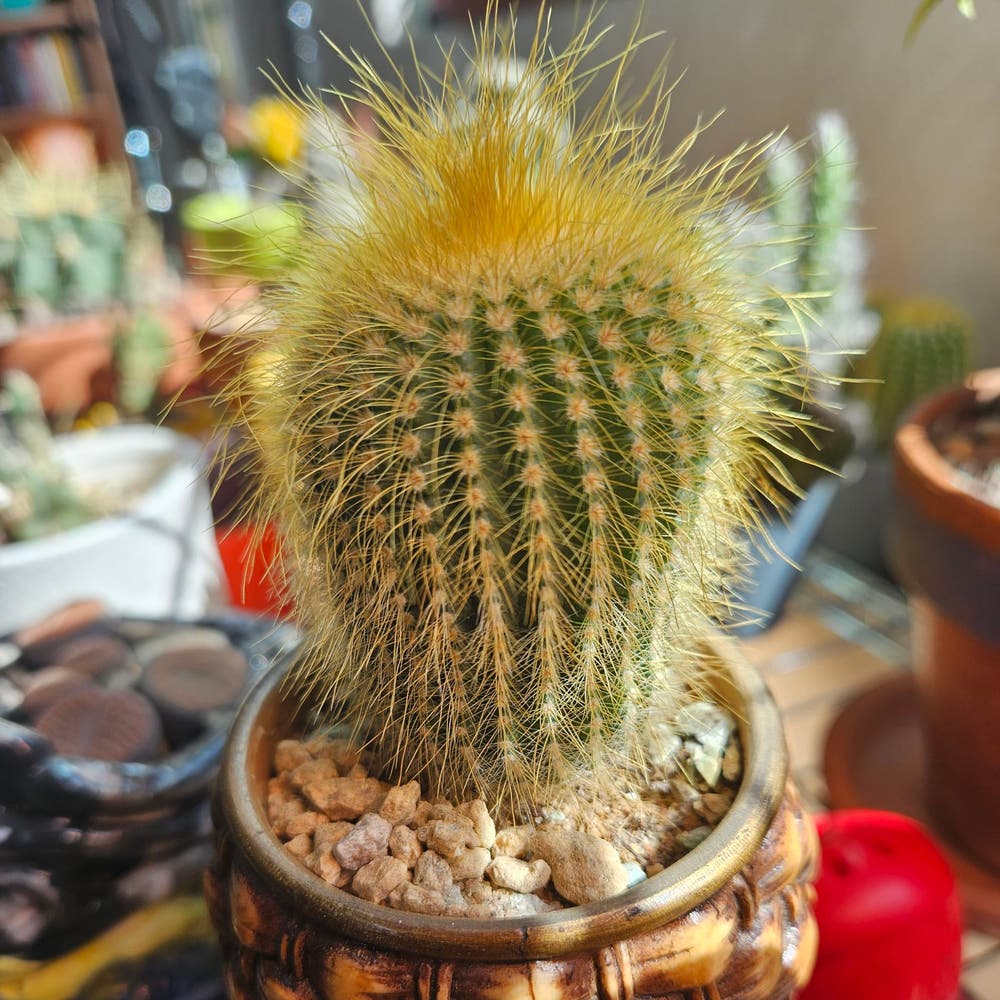
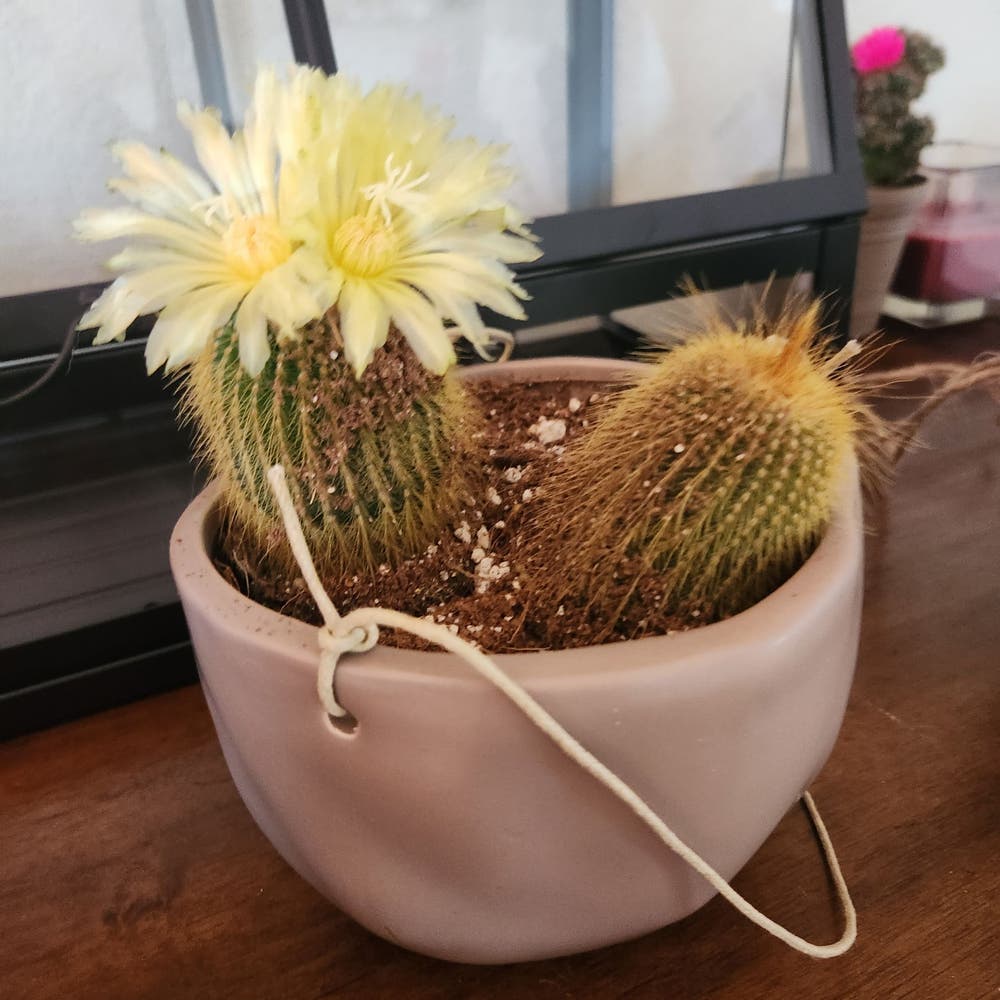
Best Tips for Dropping Leaves on Golden Ball Cactus 🌵
Parodia lenninghausii
By the Greg Editorial Team
Oct 09, 2024•6 min read
This article was created with the help of AI so we can cover more plants for you. May contain errors. See one? Report it here.
Transform your Golden Ball Cactus care 🌵 by mastering prevention and treatment of leaf drop for vibrant growth!
- 💧 Overwatering and underwatering both cause leaf drop; balance is key!
- 🐛 Pest infestations like mealybugs can lead to leaf loss; inspect regularly.
- 🌞 Bright, indirect light and proper drainage are essential for cactus health.
Causes of Leaf Drop
💧 Overwatering and Its Effects
Overwatering is a common culprit behind leaf drop in Golden Ball Cactus. Symptoms include yellowing leaves, a mushy texture, and root rot, which can lead to serious health issues for your plant.
Excess moisture creates an environment ripe for fungal infections and root decay. To combat this, ensure your cactus is planted in well-draining soil, allowing excess water to escape easily.
🚰 Underwatering and Dehydration
On the flip side, underwatering can also cause leaf drop. Signs of dehydration include wrinkled, shriveled leaves and dry soil, indicating your cactus isn't getting enough water.
Insufficient water intake puts your plant under stress, leading to leaf loss. To prevent this, allow the soil to dry out completely between waterings, ensuring your cactus receives the hydration it needs.
🐛 Pest Infestations
Common Pests
Pests can wreak havoc on your Golden Ball Cactus, leading to leaf drop. Mealybugs are a common issue; they appear as white, cottony masses and can cause significant damage by sucking sap from the plant.
Spider mites are another threat, often leaving fine webbing on the cactus. Their presence can lead to discoloration and weakened growth.
Pest Control
To tackle these pests, consider using neem oil or insecticidal soap. Manual removal is also effective; simply wipe the pests off with a damp cloth.
🌡️ Environmental Stress
Temperature Fluctuations
Temperature changes can stress your cactus, leading to leaf drop. The ideal temperature range for Golden Ball Cactus is between 70°F and 100°F.
If temperatures fluctuate too much, you may notice signs of stress, such as wilting or discoloration.
Humidity Levels
Humidity plays a crucial role in your cactus's health. Golden Ball Cactus prefers low humidity levels; high humidity can lead to fungal issues and leaf drop.
🪴 Soil Issues
Poor Drainage
Soil quality is vital for your cactus's well-being. Poor drainage can cause water to pool around the roots, leading to rot.
Opt for a soil composition that includes sand or perlite to enhance drainage. This will help maintain a healthy root system.
Compacted Soil
Compacted soil can also hinder your cactus's growth. Signs include slow growth and difficulty in absorbing water.
To remedy this, consider repotting your cactus in fresh, loose soil. This will improve aeration and promote healthy root development.
Understanding these causes of leaf drop is essential for maintaining a thriving Golden Ball Cactus. By addressing these issues, you can ensure your cactus remains healthy and vibrant. Next, we’ll explore how to diagnose leaf drop effectively.
Diagnosing Leaf Drop
🧐 Identifying Symptoms
When your Golden Ball Cactus starts dropping leaves, the first step is to look for visual signs. Yellowing leaves or changes in shape can indicate underlying issues that need your attention.
🌱 Assessing Plant Health and Environment
Next, check the soil moisture levels. If the soil feels too dry or overly wet, it could be a sign of improper watering.
🐞 Checking for Pests and Diseases
Inspect your cactus for visible pests like mealybugs or spider mites. Monitoring for signs of disease, such as unusual spots or wilting, is equally crucial to ensure your plant's health.
By carefully diagnosing these symptoms, you can take the necessary steps to restore your cactus to its vibrant self. Understanding these signs will guide you in the next steps of treatment and care.
Preventive Measures
Proper Watering Techniques 🌊
Establishing a consistent watering schedule is crucial for your Golden Ball Cactus. Water only when the top inch of soil is dry, ensuring you avoid both overwatering and underwatering.
Use a watering technique that allows water to soak through the drainage holes. This ensures the roots receive adequate moisture without sitting in excess water.
Ideal Soil Composition and Drainage 🪴
Choosing the right soil mix is essential for your cactus's health. A blend of cactus mix and perlite offers excellent drainage, preventing root rot.
Always ensure your pots have drainage holes. This simple step can save your cactus from the detrimental effects of standing water.
Optimal Light Conditions ☀️
Golden Ball Cacti thrive in bright, indirect light. Position your cactus near a window where it can soak up sunlight without being scorched.
Avoid placing it in direct sunlight for extended periods, as this can lead to sunburn and stress.
Temperature and Humidity Control 🌡️
Maintaining the right temperature is vital for your cactus's well-being. Aim for a range between 70°F to 100°F during the day and slightly cooler at night.
Humidity levels should be kept low, ideally below 50%. This helps prevent fungal infections and keeps your cactus healthy.
By implementing these preventive measures, you can create an environment where your Golden Ball Cactus can thrive. Next, let’s explore how to diagnose leaf drop effectively.
Treatment Options
Adjusting Watering Schedule 🌊
To effectively treat leaf drop, start by adjusting your watering schedule. Consistency is key; aim to water your Golden Ball Cactus only when the top inch of soil is dry.
Monitor the plant closely to find the right balance. Over time, you'll develop a rhythm that suits both the cactus and your environment.
Treating Pest Infestations 🐞
Pest infestations can wreak havoc on your cactus. Common culprits include mealybugs and spider mites, which can be identified by their distinctive appearances and the damage they cause.
For treatment, consider using neem oil or insecticidal soap. Regularly check your plant to monitor the effectiveness of these treatments and reapply as necessary.
Soil Amendments for Better Drainage 🏞️
Improving soil drainage is crucial for the health of your cactus. If you notice water pooling or slow drainage, it’s time to amend your soil.
Recommended amendments include perlite or coarse sand. Mix these into your existing soil to enhance drainage and prevent root rot.
Fertilization Practices 🌱
Fertilization can boost your cactus's health, but timing and type matter. Use a balanced, diluted cactus fertilizer during the growing season, typically in spring and summer.
Follow a schedule of every 4-6 weeks, but avoid fertilizing during dormancy in fall and winter. This approach ensures your cactus receives the nutrients it needs without the risk of over-fertilization.
By implementing these treatment options, you can effectively address leaf drop and promote a thriving Golden Ball Cactus. Next, let’s explore how to monitor your plant’s recovery for long-term success.
Post-Drop Care
Monitoring Plant Recovery 🌱
After experiencing leaf drop, it's crucial to keep an eye on your Golden Ball Cactus. Look for signs of recovery, such as new growth or a return to vibrant color.
Regular check-ins will help you gauge the plant's health. Make it a habit to inspect the cactus weekly, noting any changes in its appearance.
Signs of New Growth 🌿
New growth is a positive indicator that your cactus is bouncing back. Watch for fresh spines or small buds emerging from the plant.
Patience is key during this phase. It may take time for your cactus to fully recover, so resist the urge to overwater or make drastic changes.
Long-Term Care Strategies 🛠️
Establishing a consistent care routine is essential for your cactus's long-term health. Focus on proper watering, ensuring the soil dries out completely between sessions.
Educate yourself on common problems that can affect your cactus. Understanding potential issues will empower you to take proactive measures, keeping your plant thriving for years to come.
With these strategies in place, your Golden Ball Cactus will be well on its way to recovery and resilience.
⚠️ Safety First
This content is for general information and may contain errors, omissions, or outdated details. It is not medical, veterinary advice, or an endorsement of therapeutic claims.
Always consult a qualified healthcare professional before using any plant as food, medicine, or supplement.
Never eat any plant (or feed one to pets) without confirming its identity with at least two trusted sources.
If you suspect poisoning, call Poison Control (800) 222-1222, the Pet Poison Helpline (800) 213-6680, or your local emergency service immediately.
Spotted an error? Please report it here.
Keep your Golden Ball Cactus thriving 🌵 by using Greg's tailored reminders and expert tips to master watering and pest control for a vibrant, healthy plant!