Best Tips for Golden Ball Cactus Health 🌵
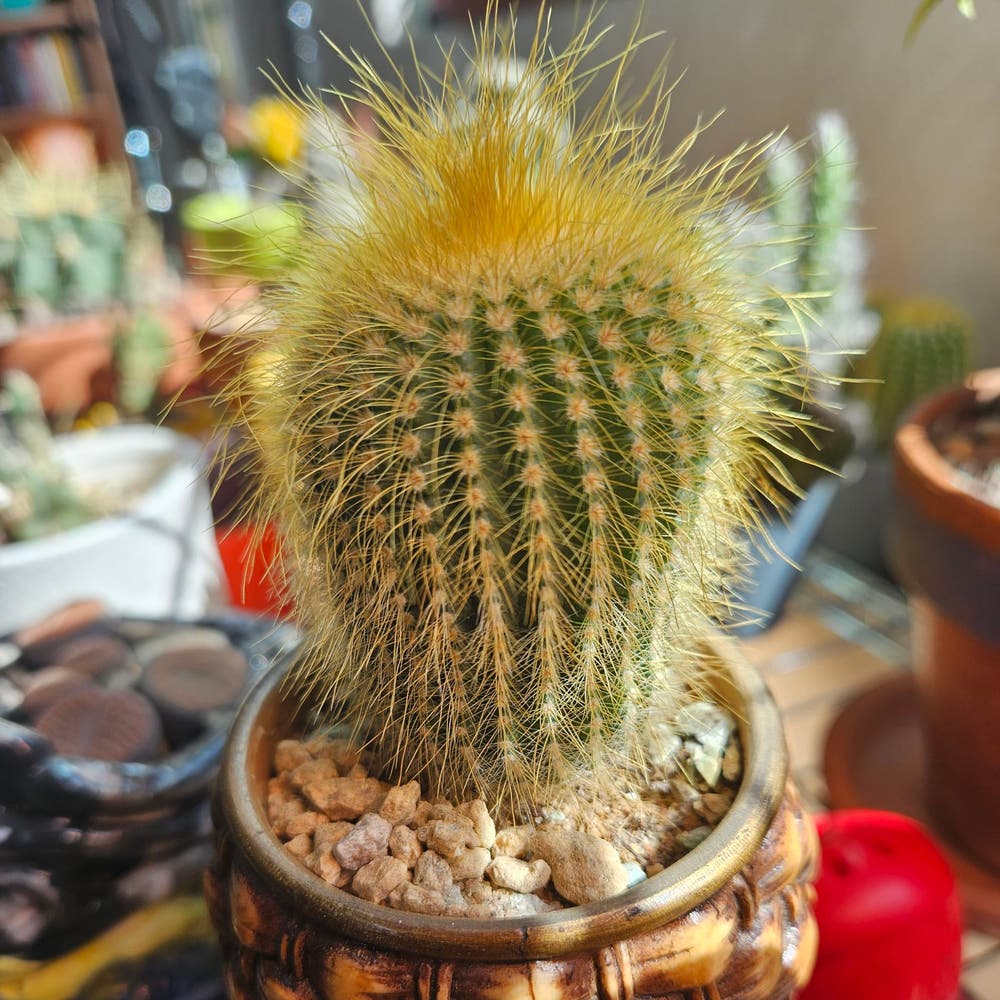
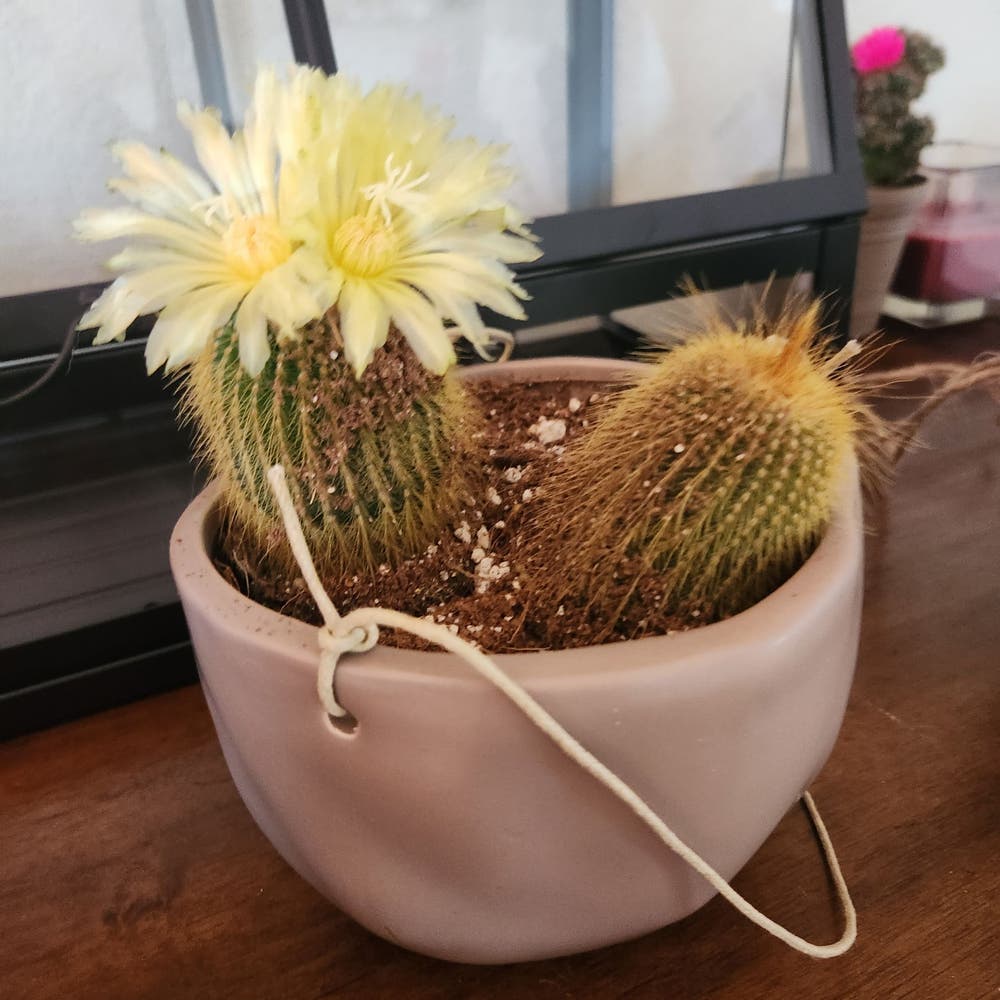
Parodia lenninghausii
By the Greg Editorial Team
Oct 09, 2024•5 min read
This article was created with the help of AI so we can cover more plants for you. May contain errors. See one? Report it here.
Ensure your cactus thrives 🌵 with essential care tips that keep your prickly friend healthy and vibrant!
- 🌵 Early signs like yellowing stems indicate stress; act quickly to save your cactus!
- 💧 Wilting suggests watering issues; assess your routine for dehydration or overwatering.
- ☀️ Insufficient light causes etiolated growth; ensure 6-8 hours of indirect sunlight daily.
Recognizing Unhealthy Cactus
Symptoms of an unhealthy cactus 🌵
Spotting an unhealthy cactus early can save it from serious issues. Here are the key symptoms to watch for:
Yellowing Stems 💛
Yellowing stems are often a red flag. This discoloration usually indicates stress or improper care, signaling that your cactus needs immediate attention.
Wilting or Drooping 💧
If your cactus is wilting or drooping, it’s likely experiencing dehydration or overwatering. Both conditions can be detrimental, so assess your watering routine.
Fuzzy Growth 🐛
Fuzzy growth on your cactus may suggest a fungal infection or pest presence. This is a sign that you should inspect your plant closely for any unwanted guests.
Leaning or Etiolated Growth 🌞
A cactus that is leaning or showing etiolated growth is probably not getting enough light. This stretching indicates that it’s reaching for a light source, which can lead to weak, leggy growth.
Recognizing these symptoms early can make a world of difference in your cactus care journey. By addressing these issues promptly, you can help your cactus thrive and transition smoothly into the next stage of its care.
Common Problems Specific to Cactus
🌊 Incorrect Watering
Identifying overwatering and underwatering
Overwatering is often signaled by yellowing, mushy stems and can lead to root rot. In contrast, underwatered cacti exhibit a wrinkled, shriveled appearance, with dry soil surrounding their roots.
Causes of watering issues
One major cause of watering problems is infrequent checks on soil moisture levels. Additionally, poor drainage from non-draining pots or heavy soil can exacerbate these issues.
Steps to resolve watering problems
For overwatered cactus:
For underwatered cactus:
- Water thoroughly until moisture drains from the bottom.
- Adjust your watering schedule based on environmental conditions.
💡 Incorrect Light Conditions
Signs of inadequate or excessive light
Inadequate light often results in etiolated growth, where the cactus leans toward the light source. Conversely, excessive light can cause scorched or bleached patches on the cactus's surface.
Causes of light-related issues
These light-related issues typically arise from placing the cactus in low-light areas or exposing it to direct harsh sunlight.
Solutions for light problems
To remedy light problems, move your cactus to a brighter location with indirect sunlight. If necessary, use sheer curtains to diffuse harsh light and protect your plant.
🐞 Pests
Common pests affecting cactus
Cacti can fall victim to pests like mealybugs, spider mites, and scale insects. These pests can cause significant damage if not addressed promptly.
Identifying pest infestations
Look for sticky residue on leaves, which indicates pest presence. You may also spot visible insects or webbing on the cactus.
Treatment options for pests
- Manual removal: Wipe off pests with a damp cloth.
- Insecticidal soap: Apply according to package instructions.
- Neem oil: Use as a preventive measure and treatment.
🦠 Diseases
Identifying symptoms of common diseases
Common diseases include powdery mildew, characterized by fuzzy white patches, and rust, which presents as rust-colored spots on leaves. Black rot shows dark lesions with a foul smell, while blight leads to a rapid decline in health.
Treatment and prevention strategies
To combat diseases, remove affected parts by pruning diseased areas immediately. Improving air circulation by spacing plants adequately can also help, along with applying fungicides as directed for severe cases.
🌱 Growth Problems
Symptoms of not growing, not fruiting, leaning, leggy, and etiolated growth
If your cactus isn't growing, it may be stagnating despite ideal conditions. A lack of flowers or fruit production, leaning, and a leggy or etiolated appearance are all signs of insufficient light.
Causes of growth issues
Growth issues often stem from inadequate light, improper watering, or nutrient deficiencies.
How to encourage healthy growth
To promote healthy growth, ensure your cactus receives 6-8 hours of indirect sunlight daily. Regularly check your watering schedule and adjust it based on seasonal changes.
Understanding these common problems can help you maintain a thriving golden ball cactus. Next, let's explore preventive measures to keep your cactus healthy and vibrant.
Preventive Measures
Best Practices for Cactus Care 🌵
To keep your golden ball cactus thriving, start with well-draining soil. This is crucial for preventing root rot, which can quickly turn your plant's health around.
Watering is another key factor. Always allow the soil to dry out between waterings to avoid creating a soggy environment that can stress your cactus.
Importance of Regular Monitoring 🔍
Regular monitoring is essential for cactus health. Check for signs of stress or pests at least once a week to catch any issues early.
Adjust your care routine based on seasonal changes. Cacti may need different levels of attention as the weather shifts.
Using the Greg Plant Care App for Reminders 📱
Consider using the Greg plant care app to streamline your cactus care. Set reminders for watering and monitoring plant health to stay on track.
The app also offers tailored care tips specific to cacti, making it easier to provide the best environment for your plant.
By implementing these preventive measures, you can enjoy a healthy, vibrant golden ball cactus that adds beauty to your space. Next, let’s explore common problems specific to cacti and how to tackle them effectively.
⚠️ Safety First
This content is for general information and may contain errors, omissions, or outdated details. It is not medical, veterinary advice, or an endorsement of therapeutic claims.
Always consult a qualified healthcare professional before using any plant as food, medicine, or supplement.
Never eat any plant (or feed one to pets) without confirming its identity with at least two trusted sources.
If you suspect poisoning, call Poison Control (800) 222-1222, the Pet Poison Helpline (800) 213-6680, or your local emergency service immediately.
Spotted an error? Please report it here.
Keep your golden ball cactus thriving 🌵 by using Greg's tailored reminders and expert tips to catch issues early and adjust your care routine for optimal health!