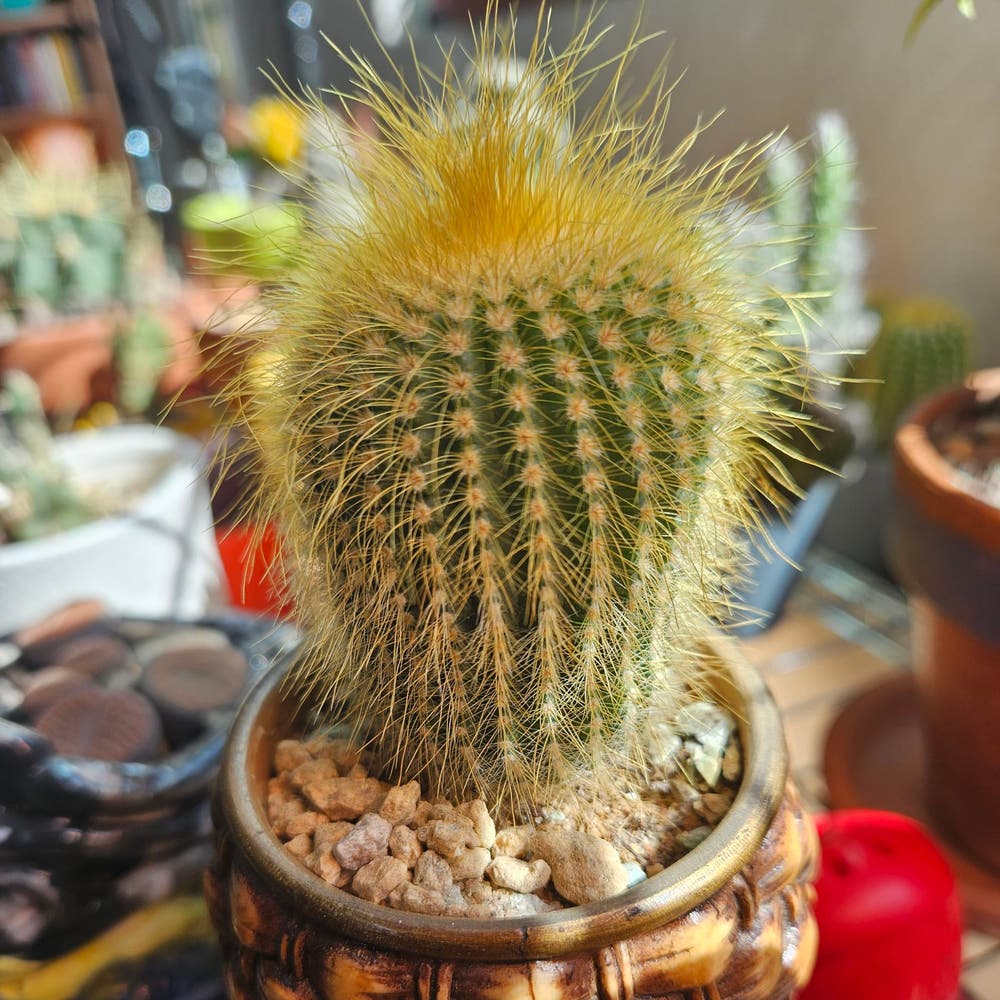
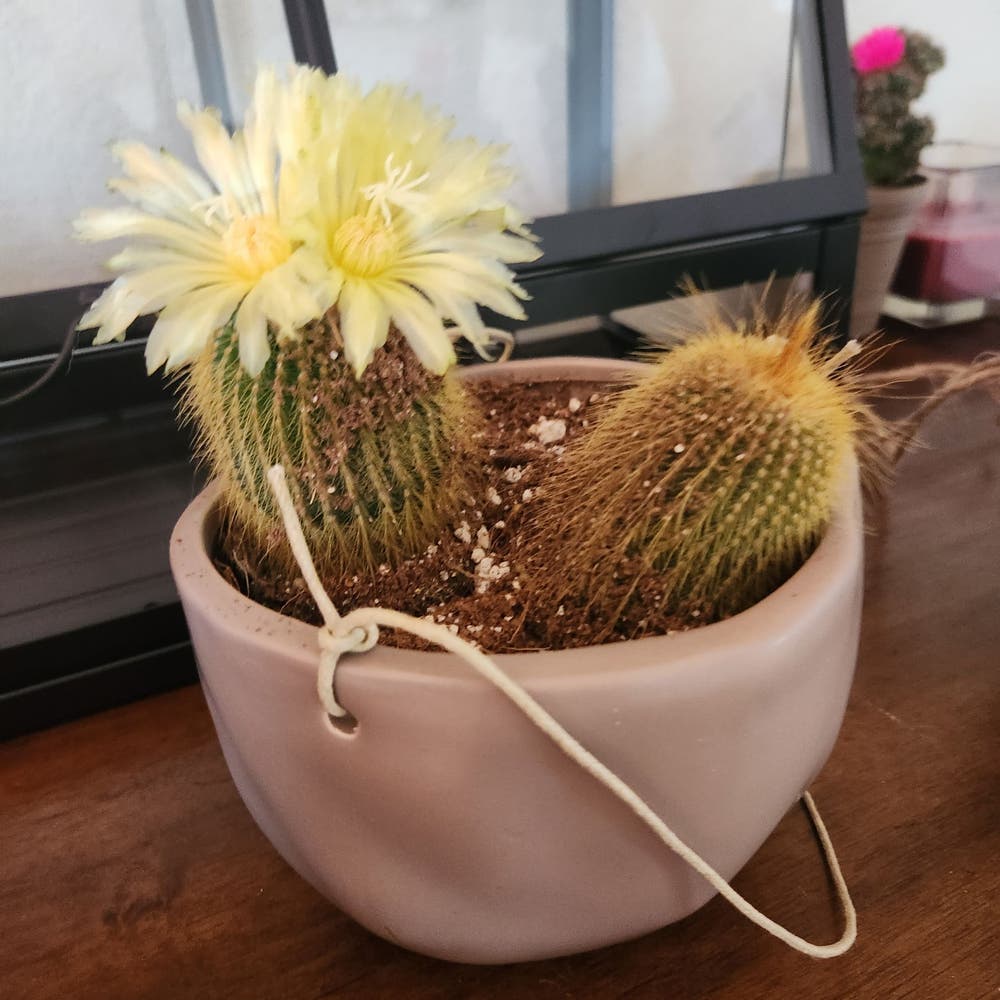
🌵 5 Tips for Healing Curling Leaves on Your Golden Ball Cactus
Parodia lenninghausii
By the Greg Editorial Team
Oct 09, 2024•4 min read
This article was created with the help of AI so we can cover more plants for you. May contain errors. See one? Report it here.
Transform your Golden Ball Cactus 🌵 with essential tips to prevent leaf curling and ensure vibrant growth!
- 💧 Overwatering and underwatering both cause curling leaves; adjust watering frequency accordingly.
- ☀️ Sunburn appears as brown patches; gradually acclimate your cactus to sunlight.
- 🐛 Check for pests regularly; mealybugs and spider mites can harm your cactus.
Causes of Leaf Curling
💧 Overwatering Signs and Solutions
Overwatering is a common issue for Golden Ball Cacti. Look for yellowing leaves, a mushy texture, and a foul odor emanating from the soil.
To remedy this, allow the soil to dry out completely. Reducing your watering frequency will help prevent further damage.
🚰 Underwatering Signs and Solutions
On the flip side, underwatering can also lead to curling leaves. Signs include a wrinkled or shriveled appearance and dry soil.
To fix this, water your cactus thoroughly, ensuring that moisture reaches the roots. This will help restore its vitality.
☀️ Sunburn and Its Effects
Sunburn can be detrimental to your cactus's health. Watch for brown patches or scorched areas on the plant, indicating it’s getting too much direct sunlight.
To alleviate this, gradually acclimate your cactus to sunlight. Start with filtered light and slowly increase exposure to prevent further damage.
🐞 Pest Infestations and Identification
Pest infestations can wreak havoc on your Golden Ball Cactus. Common culprits include mealybugs, spider mites, and scale, which leave behind sticky residue, webbing, or visible insects.
To combat these pests, use insecticidal soap or neem oil for treatment. Regular checks will help you catch infestations early.
Understanding these causes of leaf curling is crucial for maintaining a healthy cactus. With the right care, your Golden Ball Cactus can thrive and flourish. Next, let’s explore effective treatment options to restore its health.
Treatment Options
Adjusting Watering Practices 🌊
To keep your Golden Ball Cactus thriving, water it every 2-3 weeks during the growing season. Soak the soil thoroughly, then let it dry completely before the next watering to prevent overwatering.
Improving Soil Drainage 🏞️
A well-draining soil mix is crucial for your cactus's health. Aim for a blend of 50% cactus soil, 25% perlite, and 25% sand to prevent water retention and root rot.
Relocating for Optimal Sunlight ☀️
Your cactus craves sunlight! Ensure it gets at least 6 hours of full sun daily. If it's not used to direct light, gradually increase its exposure to avoid sunburn.
Pest Control Methods 🐞
Regularly check your cactus for pests like mealybugs and spider mites. If you spot any, treat them promptly with organic pesticides or introduce beneficial insects to keep your plant healthy.
By implementing these treatment options, you can help your Golden Ball Cactus recover and flourish. Next, let’s explore preventive measures to keep your cactus in top shape!
Preventive Measures
Best Practices for Watering 🌊
To keep your Golden Ball Cactus thriving, adjust your watering schedule based on the season and humidity levels. A moisture meter can be a game-changer, helping you gauge when the soil is truly dry.
Ideal Soil Mix for Golden Ball Cactus 🌱
Using a well-draining cactus mix is crucial for your cactus’s health. Combine it with perlite and sand to create an ideal soil mix that supports healthy root development and prevents rot.
Seasonal Care Tips 🌸
In spring and summer, increase your watering frequency as your cactus enters its growth phase. Conversely, reduce watering in fall and winter when the cactus goes dormant, ensuring it gets the rest it needs.
By following these preventive measures, you can create a nurturing environment for your Golden Ball Cactus, setting the stage for vibrant growth and resilience. Next, let’s explore how to monitor and maintain your cactus for ongoing health.
Monitoring and Maintenance
Regular Checks for Pests 🐜
Inspect your Golden Ball Cactus every 2-4 weeks for pests. Look for signs like sticky residue or webbing, and treat any infestations promptly to keep your cactus healthy.
Observing Environmental Conditions 🌡️
Monitor key factors such as temperature, humidity, and light exposure. Adjust your care routine based on seasonal changes to ensure your cactus thrives.
Signs of Recovery in Golden Ball Cactus 🌱
Watch for indicators of recovery, including new growth, returning color, and a firm texture. Remember, patience is essential; consistent care will lead to a flourishing cactus over time.
By keeping a close eye on these aspects, you can foster a vibrant environment for your Golden Ball Cactus. Next, let’s explore some preventive measures to ensure long-term health and resilience.
⚠️ Safety First
This content is for general information and may contain errors, omissions, or outdated details. It is not medical, veterinary advice, or an endorsement of therapeutic claims.
Always consult a qualified healthcare professional before using any plant as food, medicine, or supplement.
Never eat any plant (or feed one to pets) without confirming its identity with at least two trusted sources.
If you suspect poisoning, call Poison Control (800) 222-1222, the Pet Poison Helpline (800) 213-6680, or your local emergency service immediately.
Spotted an error? Please report it here.
Revive your Golden Ball Cactus and keep it thriving 🌵 with Greg's tailored watering reminders and pest alerts, ensuring it flourishes in your home!