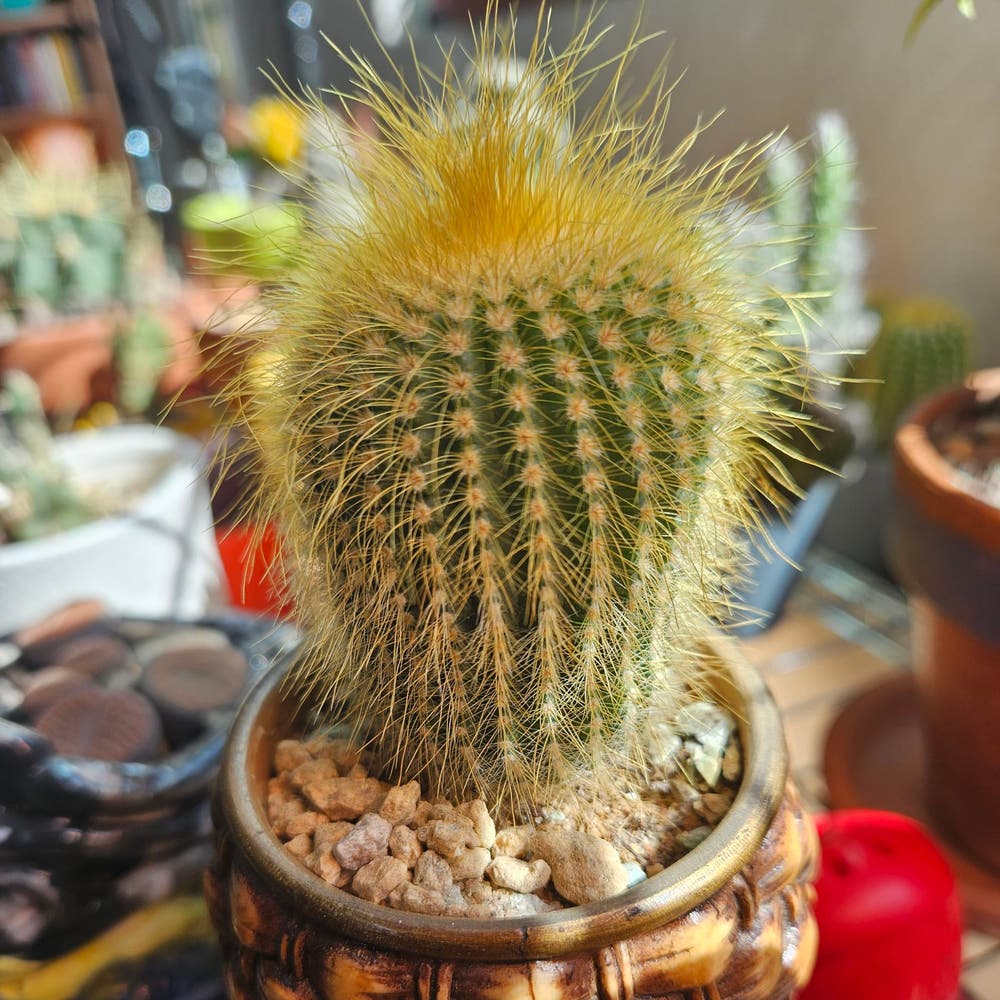
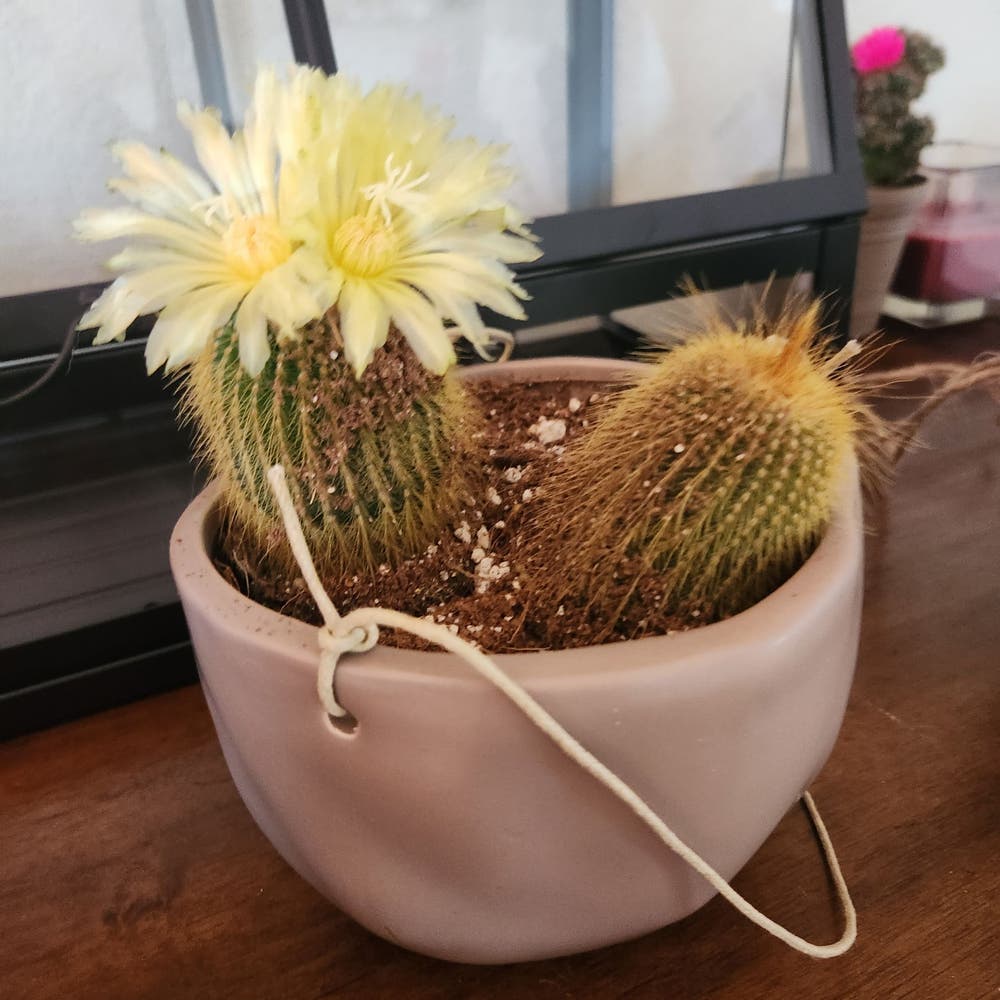
🌵 Ultimate Guide to Golden Ball Cactus Roots
Parodia lenninghausii
By the Greg Editorial Team
Oct 09, 2024•6 min read
This article was created with the help of AI so we can cover more plants for you. May contain errors. See one? Report it here.
Discover how to nurture Golden Ball Cactus roots 🌵 for a thriving, resilient garden experience!
- 🌵 Golden Ball Cactus has a robust taproot system for stability and water storage.
- 💧 Proper watering every 2-3 weeks prevents root rot and promotes healthy growth.
- 🌱 Understanding root health is essential for successful cultivation and propagation.
Type of Root System Characteristics
🌱 Taproot vs. Fibrous Roots
A taproot system features a deep, thick, and central root that anchors the plant firmly into the soil. This structure allows the plant to access water and nutrients from deeper layers, providing stability and resilience.
The Golden Ball Cactus exemplifies this with its robust taproot, which not only stabilizes the plant but also stores water efficiently. In contrast, fibrous root systems, common in many other plants, spread out horizontally and consist of numerous thin roots. While fibrous roots can absorb water quickly from the surface, they may struggle to reach deeper moisture sources during dry spells.
🌵 Unique Characteristics of Golden Ball Cactus Roots
The taproot of the Golden Ball Cactus is essential for its survival in arid environments. It enables the cactus to thrive by storing water and nutrients, making it well-adapted to its natural habitat.
In comparison, fibrous roots may not provide the same level of drought resistance. While they can absorb surface moisture effectively, they lack the depth and storage capacity that a taproot offers. Understanding these differences is crucial for anyone looking to cultivate a healthy Golden Ball Cactus.
The unique root system of the Golden Ball Cactus not only supports its growth but also plays a vital role in its overall health. This knowledge sets the stage for exploring how to care for these roots effectively, ensuring your cactus thrives in any environment.
Root Depth and Spread
Typical Root Depth and Spread 🌱
The Golden Ball Cactus boasts a remarkable root system that can reach depths of 12-24 inches (30-60 cm) in its natural habitat. This depth allows the cactus to access vital moisture and nutrients buried deep in the soil.
In addition to depth, the roots spread horizontally, often equal to or greater than the plant's diameter. This expansive root network supports stability and helps the cactus thrive in arid environments.
Growth Patterns 🌼
Understanding the growth patterns of the Golden Ball Cactus is essential for optimal care. During the warmer months, the cactus experiences active growth, soaking up sunlight and nutrients.
Conversely, it enters a state of dormancy in cooler months, conserving energy and resources. Environmental factors, such as temperature and moisture levels, significantly influence these growth patterns, affecting root development and overall health.
By recognizing these seasonal changes, you can better cater to your cactus's needs, ensuring it remains vibrant and robust throughout the year.
Watering, Fertilizing, and Transplanting
🌱 How Root System Affects Watering Frequency
A well-draining soil is crucial for the health of your Golden Ball Cactus roots. This type of soil prevents water from pooling, which can lead to root rot.
During the growing season, aim to water your cactus every 2-3 weeks. Watch for signs of overwatering, such as wilting or yellowing, and underwatering, which may cause stunted growth.
🌿 Best Practices for Fertilizing
When it comes to fertilizing, opt for balanced NPK fertilizers with low nitrogen. These fertilizers provide essential nutrients without overwhelming your cactus.
Fertilize monthly during the growing season, and remember to dilute the fertilizer to protect the roots. This approach ensures your cactus receives the right nutrients without risking root damage.
🌵 Tips for Transplanting
The best time to transplant your Golden Ball Cactus is early spring. This timing allows the plant to adjust and thrive in its new environment.
Follow these steps for successful transplanting:
- Prepare a well-draining soil mix.
- Gently remove the cactus from its pot.
- Inspect and trim any damaged roots.
- Place the cactus in a new pot with adequate drainage.
- Water lightly after transplanting.
By following these guidelines, you can ensure your cactus remains healthy and vibrant. Understanding the needs of its root system is key to nurturing a thriving plant.
Next, let's explore common root-related issues and how to address them effectively.
Common Root-Related Issues
🦠 Identifying Root Rot and Other Diseases
Root rot is a sneaky problem that can devastate your Golden Ball Cactus. Look for signs like wilting, yellowing leaves, and stunted growth; these are telltale symptoms that something's off.
Fungal infections are the usual culprits behind root issues. They thrive in overly wet conditions, often caused by poor drainage or excessive watering.
🛠️ Solutions for Preventing and Treating Root Issues
To keep your cactus thriving, focus on preventative measures. Proper watering techniques are crucial; always let the soil dry out between waterings, and choose a well-draining soil mix.
If you do encounter root rot, don’t panic. Start by removing the affected roots and repotting your cactus in fresh, dry soil. This can help restore its health and vigor.
Understanding these common root-related issues will empower you to keep your Golden Ball Cactus in top shape. Next, let’s explore how to recognize and address rootbound conditions.
Recognizing and Addressing Rootbound Conditions
Definition and Signs of Rootbound Conditions 🌱
Rootbound refers to a condition where a plant's roots have filled the pot, circling around the edges and limiting their growth space. This can lead to a host of problems, including nutrient deficiencies and stunted growth.
Visual indicators of a rootbound plant include noticeable stunted growth and roots that emerge from the drainage holes. If you see these signs, it’s time to take action.
When and How to Address Rootbound Issues 🛠️
Timing is crucial when it comes to repotting rootbound plants. Look for signs such as roots visibly circling the pot or a plant that seems to be struggling despite proper care.
To alleviate rootbound conditions, follow these steps:
- Choose a pot that is 1-2 inches larger in diameter than the current one.
- Gently loosen the roots before repotting to encourage new growth.
- Use fresh, well-draining soil to provide the best environment for recovery.
By addressing rootbound issues promptly, you can help your Golden Ball Cactus thrive and flourish. This proactive approach ensures that your plant has the space it needs to grow strong and healthy.
Importance of Root Health in Propagation
🌱 Techniques for Dividing
Dividing cacti is a rewarding way to propagate your plants and ensure their health. Timing is crucial; the best time to divide is during the growing season when the plant is actively thriving.
Tools Needed for Safe Division
Before you start, gather your tools. A sharp, clean knife or garden shears will help you make precise cuts without damaging the plant.
Steps for Successful Propagation
Follow these steps for effective propagation:
- Select Healthy Offsets or Segments: Look for robust parts of the cactus that show no signs of disease.
- Allow Cut Surfaces to Callous: After cutting, let the surfaces dry for 1-2 days. This helps prevent rot when planted.
- Plant in Well-Draining Soil: Use a cactus mix and water lightly to encourage root growth without overwhelming the plant.
By focusing on root health during propagation, you set the stage for a thriving cactus. Healthy roots lead to stronger plants, ensuring your gardening efforts pay off.
Next, let’s explore how to recognize and address rootbound conditions to keep your cacti flourishing.
⚠️ Safety First
This content is for general information and may contain errors, omissions, or outdated details. It is not medical, veterinary advice, or an endorsement of therapeutic claims.
Always consult a qualified healthcare professional before using any plant as food, medicine, or supplement.
Never eat any plant (or feed one to pets) without confirming its identity with at least two trusted sources.
If you suspect poisoning, call Poison Control (800) 222-1222, the Pet Poison Helpline (800) 213-6680, or your local emergency service immediately.
Spotted an error? Please report it here.
Unlock the secret to a thriving Golden Ball Cactus 🌵 with Greg's tailored watering alerts and expert care tips that keep its roots healthy and happy!