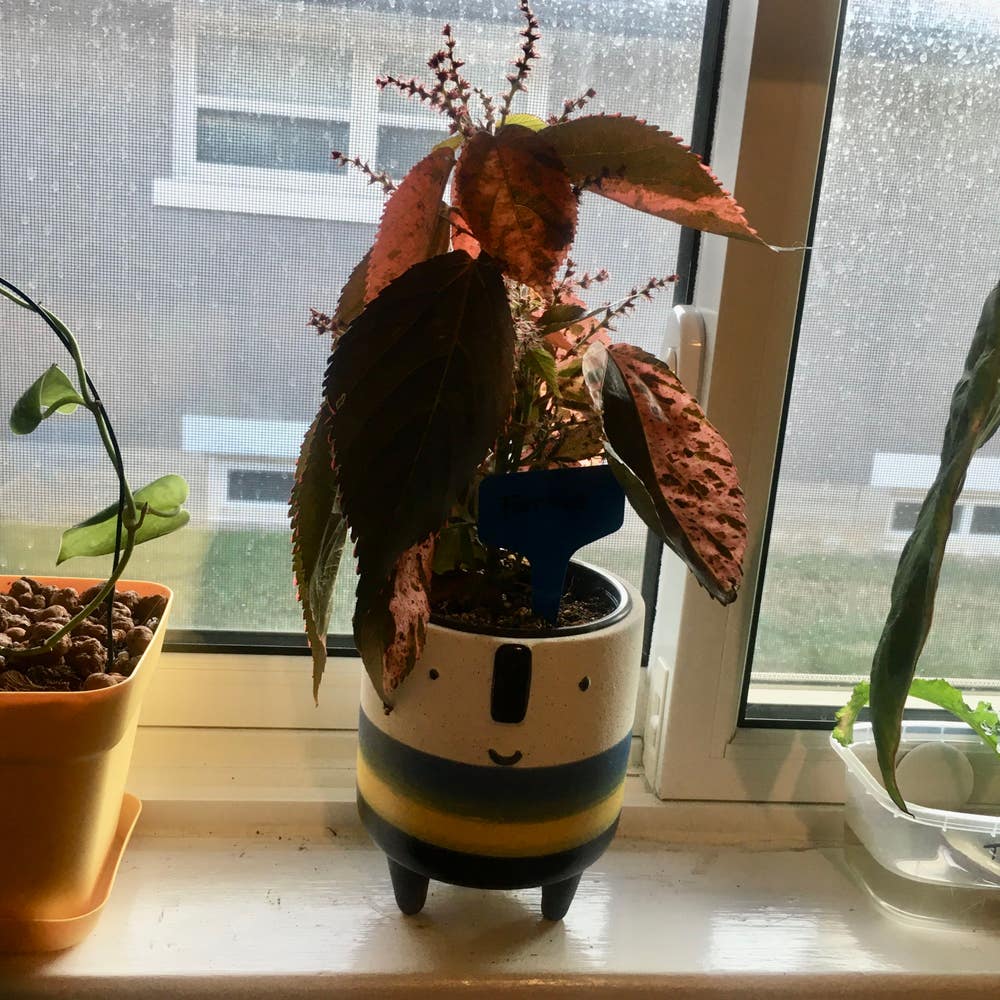
What Temperature Does My Common Three-Seeded Mercury Need?
Acalypha rhomboidea
By the Greg Editorial Team
Mar 04, 2024•3 min read
This article was created with the help of AI so we can cover more plants for you. May contain errors. See one? Report it here.
Discover the secret to a lush Three-Seeded Mercury 🌿 by nailing the perfect cozy temperature range! 🌡️
- Optimal range 65°F-75°F for healthy Common Three-Seeded Mercury growth.
- 🌡️ Use a thermostat to maintain consistent, plant-friendly temperatures.
- Watch for stress signs like leaf curl and move plant to adjust.
Dialing in the Perfect Temperature
🌡️ What's the Sweet Spot?
The optimal temperature range for the Common Three-Seeded Mercury is crucial for its growth and flowering. Striking the right balance, this plant thrives between 65°F and 75°F (18°C to 24°C). Too far outside this range, and you'll see your plant's performance droop like a disappointed parent.
Seasonal Adjustments
With the changing seasons, your plant's comfort is as precarious as a tightrope walker. In summer, shield it from the harsh sun, as if protecting delicate skin from a midday burn. Winter demands a gentler touch; think of cozying up your plant like tucking in a child on a frosty night. Less watering complements the cooler conditions, preventing a case of the dreaded root rot.
Baby It's Cold Outside: Protecting Your Plant
When the temperature plummets, act like a plant superhero. Insulate your green buddy by moving it away from drafty windows and wrapping pots in a warm embrace. Remember, anything below 50°F (10°C) is an invitation for cold stress, and no one likes a stressed-out plant.
When Things Heat Up: Recognizing Temperature Stress
🌡️ Telltale Signs Your Plant is Too Hot or Too Cold
Leaf curl is your plant's distress flare; it's not just being dramatic. When leaves start to look like crumpled paper, it's a clear sign that your plant is either sweltering or shivering. Wilting is another red flag; it's not just a bad day, it's a cry for help. If your plant's leaves are dropping like flies, it's time to take action. Brown spots or edges? That's your plant's version of goosebumps from the cold. Conversely, yellow leaves are screaming, "I'm baking over here!"
Quick Fixes to Relieve Your Plant
Caught your plant in a temperature tantrum? Move it—stat! If it's too hot, think shade and hydration. A quick relocation can be the difference between a plant spa and a sauna. For a chill, wrap it up like a burrito. Insulation is your best friend, and so is a warm, draft-free corner. Remember, your plant hates sudden temperature swings as much as you hate spoilers for your favorite show. Keep it steady, and you'll keep it happy.
Keeping It Cool: Preventing Temperature Extremes
🌡️ Location, Location, Location
Finding the right spot for your Common Three-Seeded Mercury is like picking a seat in a movie theater. You want a good view without the discomfort of being too close to the speakers or the drafty exit door. Keep your plant away from areas where it might experience the greenhouse effect of a sunny window or the chill from a drafty corridor. Direct sunlight can be as harmful as a cold draft, so aim for a location that offers bright, indirect light.
🌡️ The Thermostat is Your Friend
Embrace technology to keep your plant's environment from turning into a rollercoaster of temperature changes. A thermostat can be as crucial to your plant's health as water and sunlight. It's the unsung hero that maintains a consistent climate, preventing your green buddy from thinking it's been teleported from the tropics to the tundra overnight. Consider investing in a smart thermostat for automated peace of mind, or at least a reliable thermometer to keep an eye on things. Remember, your plant doesn't have the luxury of putting on a sweater when it gets chilly.
⚠️ Safety First
This content is for general information and may contain errors, omissions, or outdated details. It is not medical, veterinary advice, or an endorsement of therapeutic claims.
Always consult a qualified healthcare professional before using any plant as food, medicine, or supplement.
Never eat any plant (or feed one to pets) without confirming its identity with at least two trusted sources.
If you suspect poisoning, call Poison Control (800) 222-1222, the Pet Poison Helpline (800) 213-6680, or your local emergency service immediately.
Spotted an error? Please report it here.
Keep your Common Three-Seeded Mercury in its happy zone of 65°F to 75°F 🌡 with Greg's gentle nudges for the ideal temperature, ensuring your plant pal always feels at home.