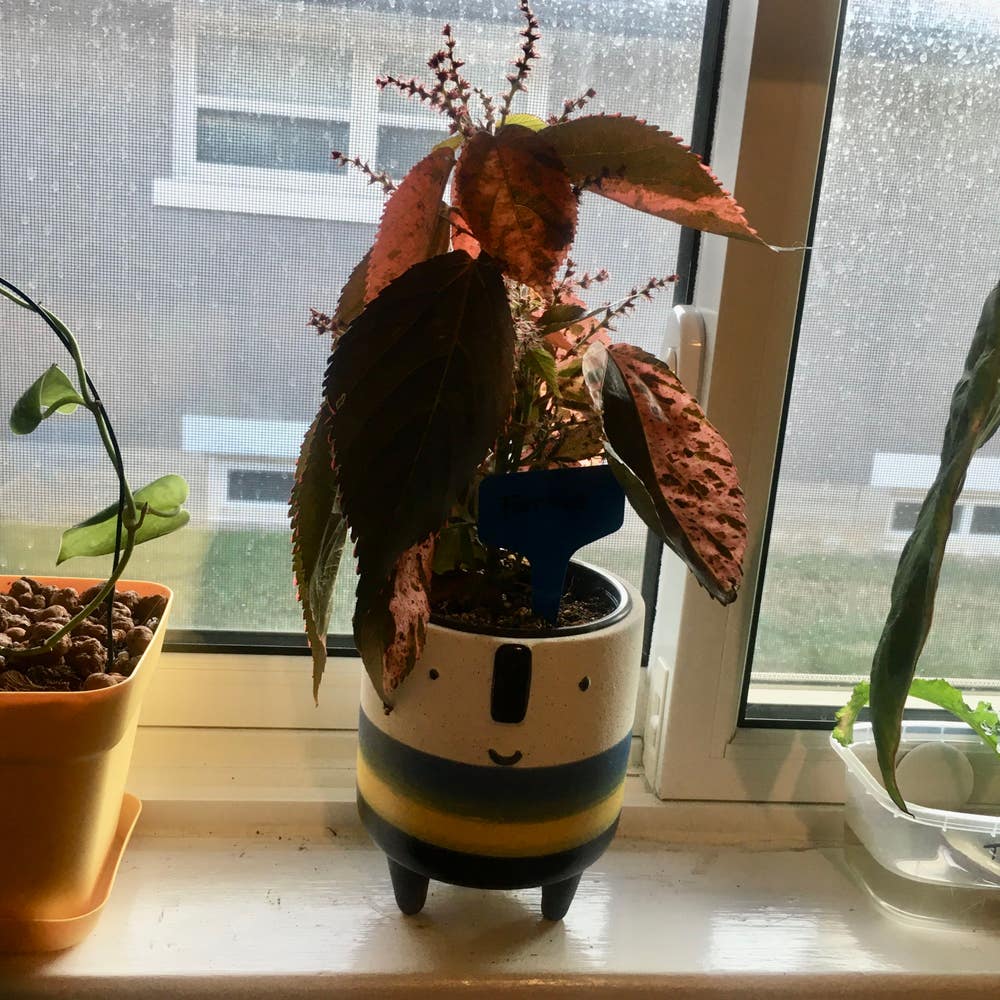
Common Three-Seeded Mercury Root Rot Solutions
Acalypha rhomboidea
By the Greg Editorial Team
Mar 04, 2024•3 min read
This article was created with the help of AI so we can cover more plants for you. May contain errors. See one? Report it here.
Combat root rot 🍂 and ensure your Three-Seeded Mercury thrives with these expert tips!
- Yellow leaves and wilting signal root rot; act fast.
- Trim roots, apply fungicide, and adjust watering to combat rot.
- Well-draining soil and pot with proper watering prevent future issues.
Spotting the Red Flags: Symptoms of Root Rot
🚨 Visual Symptoms on Leaves and Stems
Yellowing leaves and wilting are not your plant's attempt at a new look; they're distress signals. These symptoms suggest that your Common Three-Seeded Mercury might be experiencing more than just a bad day—it could be a case of root rot.
Dark spots on leaves or a slowdown in growth should prompt a closer examination. Don't wait for your plant to look like it's on the set of a plant horror film; these are early warnings that demand immediate attention.
🔍 Checking the Roots
To inspect the roots, you'll need to channel your inner plant detective. Gently remove the plant from its pot, being as careful as if you were handling a delicate archaeological artifact. Healthy roots are firm and white, resembling fresh produce rather than a soggy mess.
Discoloration and mushiness are tell-tale signs of root rot. If the roots remind you of overcooked pasta, it's time to take action. And if there's a foul odor, that's the unmistakable scent of trouble; root rot is likely the culprit.
First Response: Immediate Actions to Combat Root Rot
✂️ Trimming and Treating the Roots
Sterilize your shears; it's surgery time. Snip away the rotten roots—those mushy, brown offenders. Keep the healthy ones; they're your plant's lifeline. After the amputation, disinfect the survivors with a copper-based fungicide. It's like arming your plant against invisible enemies.
🚰 Adjusting Watering Habits
Overhaul your watering routine. Drench, then dry—mimic the desert's harsh love. It's not neglect; it's tough love for your waterlogged green buddy. Remember, your plant's thirst isn't as insatiable as you think. Adjust frequency and volume to avoid future drownings.
Soil and Pot Makeover: Creating a Healthy Home for Roots
🌱 Choosing the Right Soil Mix
The right soil mix is your plant's best defense against root rot. Opt for a blend that's airy, like a well-ventilated attic, ensuring roots can breathe and water drains effectively. Ingredients like perlite, vermiculite, and some organic matter provide a trifecta of aeration, moisture balance, and nutrients. It's not just dirt; it's the foundation of your plant's health.
🏺 Pot Selection and Drainage
Pot size matters; think snug, not spacious. A pot slightly larger than the root ball allows for growth without the risk of waterlogged soil. Drainage holes are the unsung heroes here, non-negotiable for healthy roots. If your pot is hole-less, it's time to play handyman and drill some. Consider adding a layer of gravel at the bottom for an extra safeguard against standing water.
Keeping the Rot Away: Long-Term Prevention Strategies
💧 Watering Wisdom
Establishing a watering schedule is like setting up a calendar reminder for plant hydration. It's all about consistency. Check the top inch of soil; if it's dry, it's time to water. If not, hold off. Your plant will thank you for not drowning it in love.
🍄 Fungal Foes: Preventive Treatments
Fungicides are your garden's insurance policy against root rot. Use them as a preventative measure, mixing into your watering routine when the soil is dry. But remember, moderation is key—fungicides are a seasoning, not the main dish. Always follow the label to avoid turning your green haven into a chemical wasteland.
⚠️ Safety First
This content is for general information and may contain errors, omissions, or outdated details. It is not medical, veterinary advice, or an endorsement of therapeutic claims.
Always consult a qualified healthcare professional before using any plant as food, medicine, or supplement.
Never eat any plant (or feed one to pets) without confirming its identity with at least two trusted sources.
If you suspect poisoning, call Poison Control (800) 222-1222, the Pet Poison Helpline (800) 213-6680, or your local emergency service immediately.
Spotted an error? Please report it here.
Eradicate root rot 🛡 with confidence by letting Greg remind you when to check soil dryness and schedule those crucial fungicide treatments.