Why Are There Brown Spots on My Common Three-Seeded Mercury?
Acalypha rhomboidea
By the Greg Editorial Team
Mar 04, 2024•4 min read
This article was created with the help of AI so we can cover more plants for you. May contain errors. See one? Report it here.
Banish those pesky brown spots 🍂 from your plants with our detective guide to a healthier, spot-free garden!
- Brown spots' appearance hints at causes like fungus or environmental stress.
- Environmental and watering issues contribute to brown spot development.
- Prevent with balanced nutrition and consistent gardening practices.
Spotting the Culprit: Identifying Brown Spots
🕵️ Spot Check: What Do They Look Like?
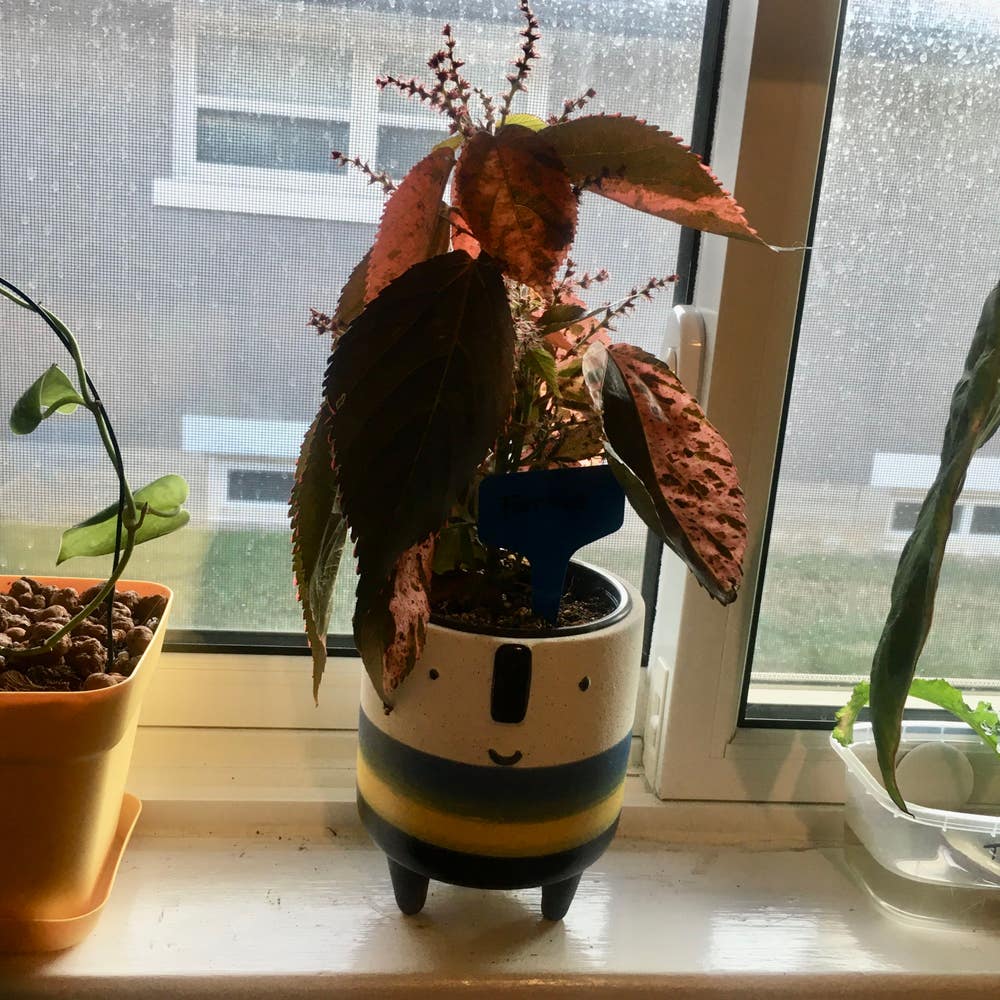
Texture and color are your first hints when you're up close and personal with those pesky brown spots. They could be powdery or slimy, small specks or large blotches. Some come with a colorful halo, while others are just unapologetically brown.
🚫 Not All Spots Are Created Equal
Every brown spot has a story, and it's your job to listen. Concentric rings or sharp edges? You might be dealing with a fungal fiesta. Spots that look like they've taken a dip in a pool could be bacterial gatecrashers. And if they're just hanging out on the edges of the leaves, think environmental stress – it's like the plant's silent scream for help.
Playing Detective: Diagnosing the Cause
🕵️♂️ Environmental Interrogation
Light, moisture, and airflow are the usual suspects when it comes to brown spots on your Common Three-Seeded Mercury. Too much sun can leave your plant looking like it's been in a tanning bed for too long, while too little light can weaken its defenses. Overwatering can turn your pot into a swampy crime scene, ripe for fungal and bacterial growth. Conversely, underwatering might leave your plant gasping for a drink. And airflow? Well, let's just say stagnant air is the enemy of plant health. Keep it breezy to avoid a stuffy, disease-friendly atmosphere.
🦠 Pests and Pathogens Lineup
When you've ruled out environmental factors, it's time to check for pests. These little buggers love to throw a wrench in the works. Aphids, spider mites, and mealybugs are the usual gang members. They're not just freeloaders; they're actively damaging your plant. Use a magnifying glass to spot these critters in action. If you find them, it's time to show them the door.
Remember, pests often show up when plants are stressed, so they might be a symptom rather than the cause. Keep an eye out for pathogens too. Fungal and bacterial issues love to capitalize on weak plants. If you spot a pest or pathogen, don't panic. There are ways to fight back, which we'll cover in the next section. Stay vigilant, and don't be afraid to call in the experts if you're stumped.
Brown Spot Eradication: Treatment Strategies
🍄 Fungus Among Us: Battling Brown Spot Diseases
Fungal foes are no joke when they decide to crash on your Common Three-Seeded Mercury. Identifying these uninvited guests involves looking for spots that might be raised or have a powdery appearance. Once you've spotted the trouble, it's time to show them the door. Fungicides are your bouncers here, but remember, they're not a free-for-all. Use them according to the label—think of it as the rulebook for eviction. And don't forget, improving airflow and removing affected leaves are like cutting off the fungi's supply line.
🦠 Bacterial Brown Spots: The Cleanup Crew
When bacteria throw a party, they leave behind water-soaked lesions that scream for attention. Enter the cleanup crew: copper compounds and targeted bactericides. They're the elite squad you call in for a precision strike. Use them sparingly, though; you don't want to trigger an arms race and end up with superbugs. And cleanliness? It's your daily drill. Sterilize your tools and pots as if you're prepping for a medical procedure. It's the plant equivalent of good hygiene—simple, yet it saves lives.
Keeping Spots at Bay: Prevention Tips
💡 Nutrient Know-How: Feeding for Health
Balance is the mantra when it comes to plant nutrition. Over-fertilizing is like binge-eating junk food—it does more harm than good. Stick to a balanced fertilizer during the growing season, and ease up when growth slows down. Your plant's not on a bodybuilding diet; it's more of a well-rounded meal plan.
🛡️ Vigilant Gardening: Ongoing Prevention Practices
Consistency is your secret weapon against brown spots. Regularly remove dead or decaying foliage to avoid fungal feasts—it's like taking out the trash before it stinks up the place. Keep the soil's moisture levels in the Goldilocks zone: not too wet, not too dry.
Sanitize your tools like a germaphobe in flu season; it prevents the spread of plant pathogens. And don't forget to give new or sick plants a timeout—quarantine isn't just for humans. Lastly, keep a care log. It's not overkill; it's the equivalent of a fitness tracker for your plant's health.
⚠️ Safety First
This content is for general information and may contain errors, omissions, or outdated details. It is not medical, veterinary advice, or an endorsement of therapeutic claims.
Always consult a qualified healthcare professional before using any plant as food, medicine, or supplement.
Never eat any plant (or feed one to pets) without confirming its identity with at least two trusted sources.
If you suspect poisoning, call Poison Control (800) 222-1222, the Pet Poison Helpline (800) 213-6680, or your local emergency service immediately.
Spotted an error? Please report it here.
Keep your Common Three-Seeded Mercury spot-free 🛡️ with Greg's custom care plans that tackle everything from watering to pest management.