Why Are My Common Three-Seeded Mercury Leaves Dropping?
Acalypha rhomboidea
By the Greg Editorial Team
Mar 04, 2024•4 min read
This article was created with the help of AI so we can cover more plants for you. May contain errors. See one? Report it here.
Halt leaf drop 🍂 in your Mercury plant with these essential care tips!
- 🍂 Sporadic leaf drop signals distress; watch for wilting or discoloration.
- 💧 Correct watering by letting soil dry slightly and adjusting frequency.
- 🌡️ Stable temperatures and nutrients are key to preventing leaf drop.
Spotting the Signs of Trouble
🍂 Recognizing Leaf Drop Symptoms
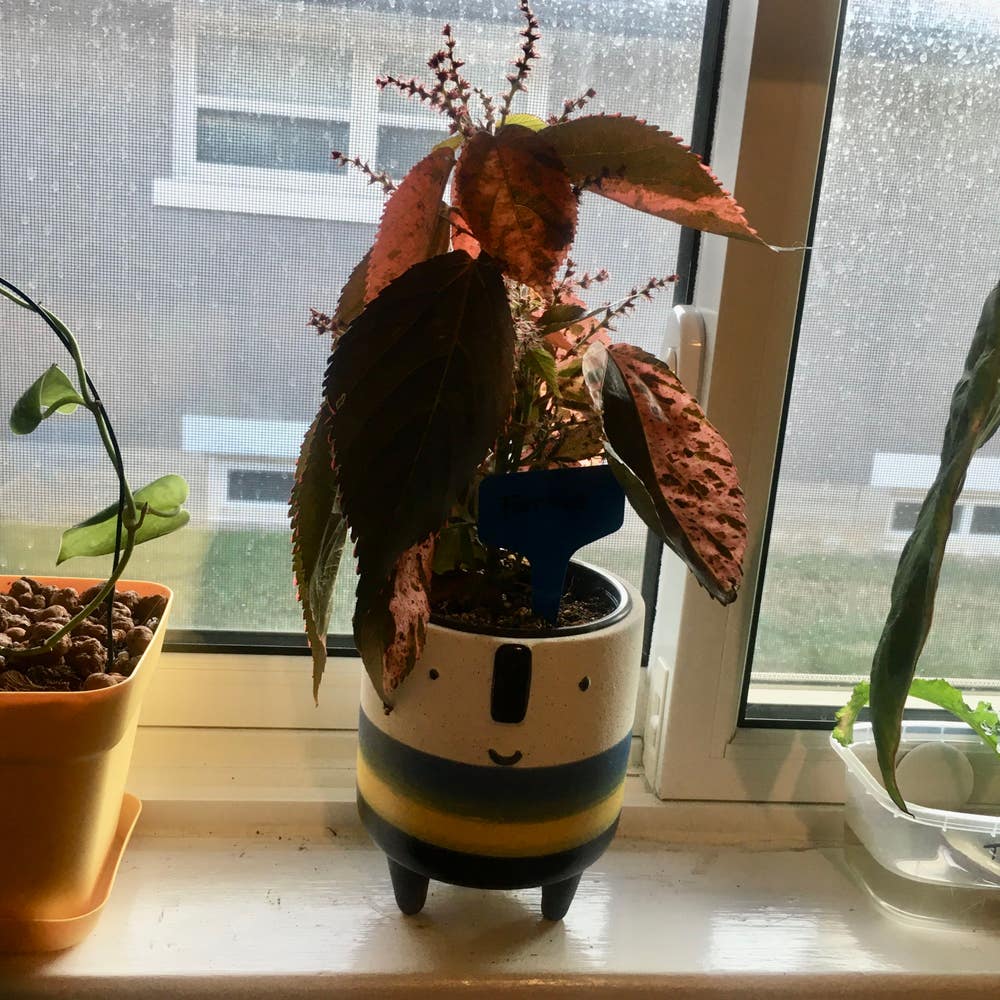
Early signs of leaf drop in Common Three-Seeded Mercury plants can be subtle. Vigilance is key to distinguishing between a natural shedding process and the onset of a problem. Look for leaves that are not just falling, but are also exhibiting spots, holes, or a color that indicates poor health. These symptoms are not part of the plant's normal cycle and suggest that your plant is under stress.
🚨 When to Be Concerned
Natural leaf shedding is as regular as clockwork, occurring mainly during growth cycles or seasonal changes. Concern arises when leaf drop is sporadic, affecting new growth, or is accompanied by wilting or discoloration. This type of leaf drop is a distress signal, indicating that your plant may be in trouble and requires immediate attention. Regular inspections for unusual patterns in leaf shedding are crucial for early detection and intervention.
Water Woes: Too Much or Too Little
💦 The Perils of Overwatering
Yellow leaves and a soil consistency that's more swamp than garden bed are your first clues. Overwatering can suffocate roots, leaving them unable to absorb nutrients or oxygen. This root rot is a silent killer; it creeps up, unnoticed until the damage is severe.
🏜️ The Risks of Underwatering
Conversely, underwatering leaves your plant looking more wilted than a forgotten salad. Dry, brittle soil and leaves that droop with a dramatic flair signal a cry for water. Underwatering stresses the plant, leading to a weakened defense system and eventual leaf drop.
Steps to Correct Overwatering
- Cease watering and let the soil dry out.
- If root rot is present, trim the affected roots.
- Adjust your watering schedule based on the plant's response.
Steps to Correct Underwatering
- Increase watering frequency until the soil feels like a wrung-out sponge.
- Monitor your plant's leaves; they should perk up once properly hydrated.
- Maintain a consistent watering schedule, adjusting for seasonal changes.
Battling Temperature and Nutrient Troubles
❄️ Keeping the Chill at Bay
Cold drafts and temperature fluctuations are notorious for causing leaf drop in Common Three-Seeded Mercury plants. Think of your plant as a creature of habit, craving consistency in its environment. To prevent the botanical equivalent of a cold shock, keep your plant away from areas prone to sudden temperature changes, like near drafty windows or too close to heating vents.
🥦 Feeding Your Plant Right
Nutrient balance is the unsung hero in the quest to prevent leaf drop. Your plant's diet is as crucial as your own; without the right nutrients, it's like trying to function without a proper breakfast. Regular feeding, tailored to your plant's needs, is essential. Keep an eye out for signs of deficiency—yellowing leaves may indicate a cry for help. Adjust your fertilization strategy based on your plant's response, and you'll be on your way to leafy abundance.
Pests and Diseases: Unseen Culprits
🐛 Common Invaders
Aphids, spider mites, and scale insects are the usual suspects when it comes to pests causing leaf drop in Common Three-Seeded Mercury. These critters drain the life out of leaves, leaving behind a sticky mess or fine webs. Fungal infections are the stealthy saboteurs, often signaled by spotted or yellowing leaves.
🛡️ Effective Defense Strategies
Regular inspections are crucial. Catching these pests early can prevent a full-blown infestation. If you spot pests, neem oil and insecticidal soap are your go-to remedies. For fungal foes, avoid wetting the leaves and apply a targeted fungicide. Remember, cleanliness is your plant's first line of defense—keep dead leaves and debris cleared to deter pests from settling in.
Reviving Your Plant: Practical Solutions
💧 Fine-Tuning Your Watering Routine
Watering your Common Three-Seeded Mercury isn't rocket science, but it's close. Consistency is key. Let the soil dry slightly between waterings and use room-temperature water to avoid root shock. Seasonal changes mean tweaking your routine—less water as temperatures drop.
🏡 Creating a Cozy Environment
Your plant isn't asking for a spa day, just a stable environment. Keep it away from cold drafts and sudden temperature changes that can cause leaves to drop like flies. Humidity is your friend, so consider a pebble tray or a humidifier to keep the air moist, not muggy.
🌿 Nutrient Boosts for Vigor
Fertilizer is like vitamins for your plant—necessary but not in excess. A balanced, water-soluble fertilizer is your go-to. Apply it sparingly during the growing season. Think of it as a light seasoning—too much and you'll have a nutrient burn on your hands.
⚠️ Safety First
This content is for general information and may contain errors, omissions, or outdated details. It is not medical, veterinary advice, or an endorsement of therapeutic claims.
Always consult a qualified healthcare professional before using any plant as food, medicine, or supplement.
Never eat any plant (or feed one to pets) without confirming its identity with at least two trusted sources.
If you suspect poisoning, call Poison Control (800) 222-1222, the Pet Poison Helpline (800) 213-6680, or your local emergency service immediately.
Spotted an error? Please report it here.
Prevent leaf drop and fine-tune watering 🌱 for your Common Three-Seeded Mercury with Greg's custom care plan and real-time community support.