What Does It Mean When Common Three-Seeded Mercury Blooms?
Acalypha rhomboidea
By the Greg Editorial Team
Mar 04, 2024•5 min read
This article was created with the help of AI so we can cover more plants for you. May contain errors. See one? Report it here.
Unlock the bloom potential of your Three-Seeded Mercury 🌼 and showcase your plant prowess!
- Blooms signal health and reproductive readiness from July to October.
- Bright, indirect light and 74-85°F temperatures are key for flowering.
- Pruning and deadheading encourage continuous blooms; adjust care if no flowers.
When and Why Common Three-Seeded Mercury Blooms
🌸 Recognizing the Bloom Cycle
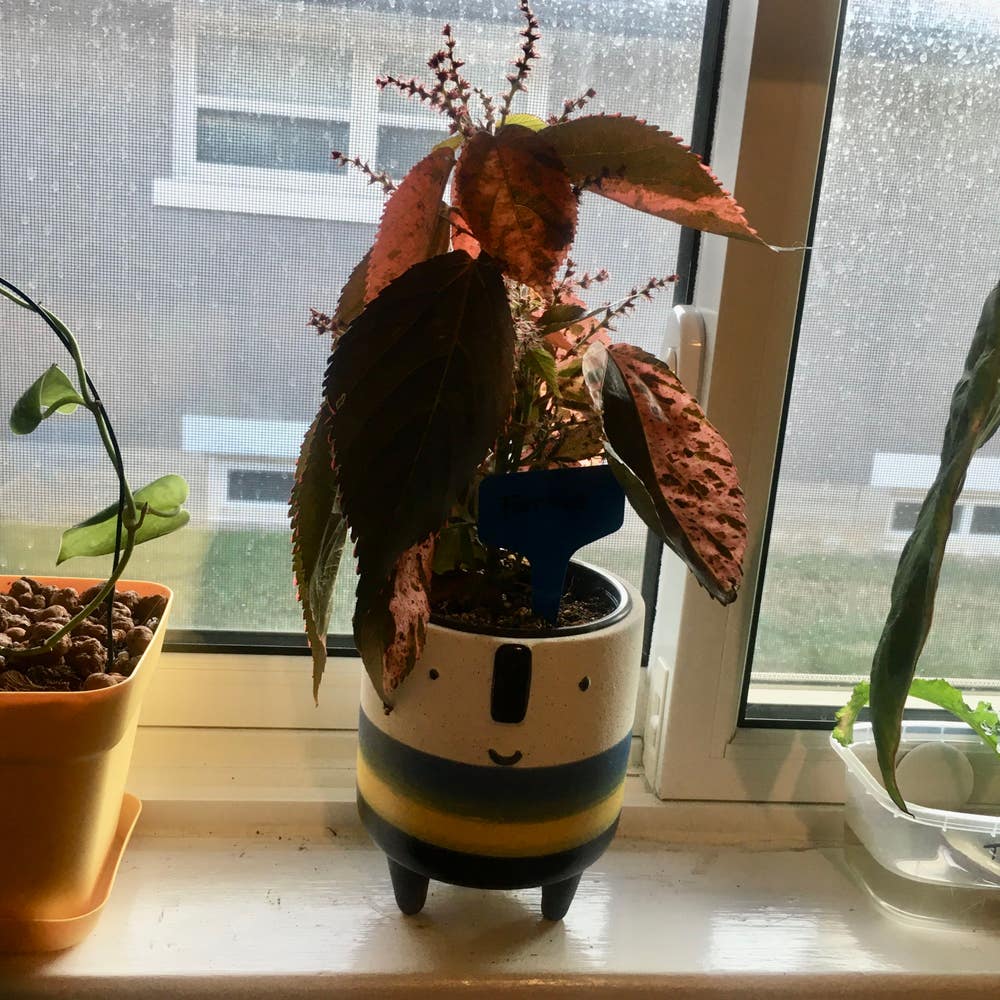
Timing is crucial when it comes to the blooming of Common Three-Seeded Mercury. Typically, this plant graces us with flowers from July through October. Its blooms are modest, lacking petals, and are arranged on a spike. These flowers are wind-pollinated, which is a fancy way of saying that they rely on the breeze to carry their genetic hellos to neighboring plants.
🌼 The Significance of Flowers
When Common Three-Seeded Mercury decides to bloom, it's not just for show. Flowers are a billboard announcing the plant's health and readiness to reproduce. If you see your Three-Seeded Mercury blooming, pat yourself on the back; you've likely provided the right conditions for it to thrive. No blooms? It's a red flag that something in its environment might be amiss.
Creating the Perfect Bloom-Inducing Environment
💡 Light: The Key to Unlocking Blooms
Bright, indirect light is the backstage pass for Common Three-Seeded Mercury blooms. It's about striking the right balance – too much direct sunlight can lead to a botanical burnout, while too little light leaves your plant in the dark, figuratively and literally. Aim for a sweet spot that mimics the dappled sunlight of a plant's natural habitat.
🌞 The Sunlight Sweet Spot
High light intensity is crucial, but it's not just about brightness; duration plays a leading role too. Think of it as the plant's daily dose of sunshine vitamins – necessary for a full, vibrant bloom.
💡 Artificial Sunshine
When natural light isn't enough, artificial grow lights can take the stage. Set them on a timer to recreate the natural day-night rhythm, nudging your plant towards its blooming phase.
🌡️ Warmth and Moisture: Setting the Stage
Temperature and humidity are the unsung heroes in the blooming saga. They work behind the scenes, setting the stage for those coveted flowers.
🌡️ Temperature Tips for Flowering Success
Maintain daytime temperatures between 74 to 85°F (23 to 29°C) and cooler nights around 62 to 67°F (17 to 19°C). Avoid drafts and heat sources that could disrupt your plant's groove. Consistency is key – it's like keeping the rhythm steady for your plant's blooming beat.
💦 Humidity and Hydration Harmony
Boost humidity with a pebble tray or by grouping plants together. A humidifier can be a game-changer, especially during dry winter months. Watering is a balancing act – aim for moist soil without throwing a pool party for root rot.
Feeding Your Plant for Fabulous Flowers
💐 Essential Nutrients for Flower Formation
To coax Common Three-Seeded Mercury into a spectacular bloom, you'll need to play mixologist with its nutrients. Phosphorus is your go-to for pre-bloom pep talks, encouraging those buds to put on a show. But don't let nitrogen crash the party; too much and your plant will leaf out like it's going for the Guinness Book of World Records, with nary a flower in sight. A balanced fertilizer, or one with a higher phosphorus content, is your ticket to bloom town.
🕰 The Impact of Fertilization Timing
Timing your fertilizer application is like hitting the snooze button—do it wrong, and you'll throw off the whole day. Start the phosphorus boost just before the bloom cycle kicks off, and maintain it to keep those flowers coming. But remember, it's a marathon, not a sprint. Overfeeding is the fast track to root burn and a stage full of wilted performers. Stick to a regular feeding schedule, and if you're using a liquid fertilizer, think of it as a shot of espresso for your plant—quick and potent. Granular types, on the other hand, are the slow-release energy bars, keeping your plant fueled for the long haul.
Pruning and Care Tips to Encourage Blooms
🌱 Strategic Pruning for Better Blooms
Pruning isn't just a chop job. Strategic snips can mean the difference between a lackluster plant and a floral masterpiece. It's about energy redirection: cutting back overgrowth and dead material to focus the plant's efforts on blooming. Remember, it's not a race to see how much you can remove, but rather a thoughtful process to shape and invigorate your Common Three-Seeded Mercury.
🌸 Deadheading and Maintenance
Deadheading isn't just busywork; it's a critical step in the quest for continuous blooms. Remove spent flowers to prevent your plant from wasting energy on seed production. This simple act keeps the blooming show running, encouraging new flowers to take center stage. Plus, it's a great way to keep your plant looking tidy and prevent potential disease and pest issues by improving air circulation. Regular maintenance, including monitoring for pests and diseases, is essential to keep your plant healthy and ready to bloom.
Solving the Mystery of Missing Blooms
🕵️ Common Culprits Behind Lack of Flowers
When your Common Three-Seeded Mercury fails to bloom, it's not just a hiccup—it's a cry for help. Insufficient light is often the main suspect; these plants need their sun fix to kickstart the flowering process. Nutrient imbalance can also play the villain, with excess nitrogen pushing the plant into a leafy frenzy at the expense of blooms. Don't overlook watering issues; too much or too little can both sabotage flowering. And let's not forget pests—these uninvited guests can drain your plant's resources, leaving no energy for flowers.
Adjustments to Revive the Flowering Process
To get those blooms back on track, start with a light audit. Ensure your plant is basking in enough but not too much light. Next, review your fertilization routine; a balanced diet is crucial for flower formation. Pruning can also encourage blooming; strategic cuts can stimulate the plant to produce flowers. If watering's the issue, aim for that Goldilocks zone—moist, but not waterlogged soil. Persistent problems? It might be time to consult a pro. Sometimes, despite your best efforts, you need an expert eye to diagnose those more elusive issues.
⚠️ Safety First
This content is for general information and may contain errors, omissions, or outdated details. It is not medical, veterinary advice, or an endorsement of therapeutic claims.
Always consult a qualified healthcare professional before using any plant as food, medicine, or supplement.
Never eat any plant (or feed one to pets) without confirming its identity with at least two trusted sources.
If you suspect poisoning, call Poison Control (800) 222-1222, the Pet Poison Helpline (800) 213-6680, or your local emergency service immediately.
Spotted an error? Please report it here.
Nurture your Common Three-Seeded Mercury to bloom 🌼 with Greg's tailored light and watering schedules, plus nutrient reminders, for a vibrant and healthy flowering season.