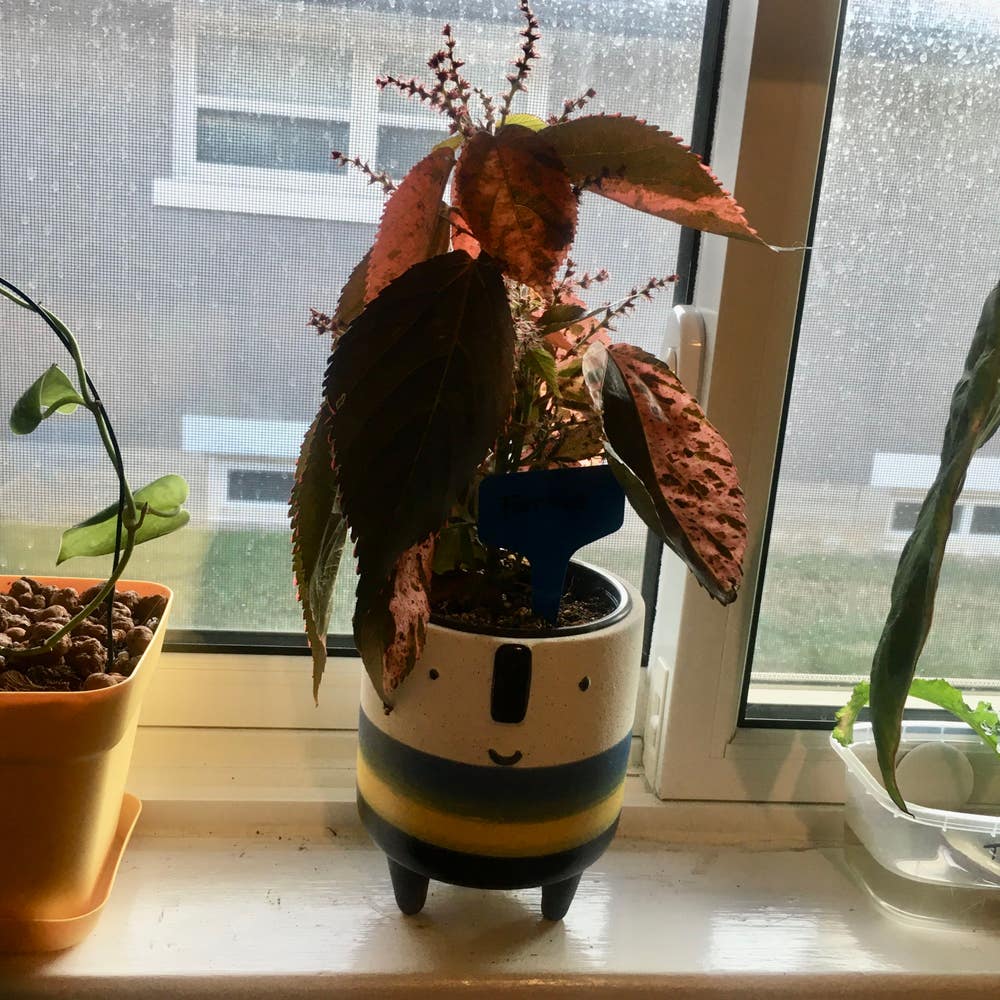
Your Common Three-Seeded Mercury's Light Requirements
Acalypha rhomboidea
By the Greg Editorial Team
Mar 04, 2024•4 min read
This article was created with the help of AI so we can cover more plants for you. May contain errors. See one? Report it here.
Master the sun dance 🌞🌿 for your Three-Seeded Mercury to unlock lush growth and enchanting blooms.
- Morning sun, afternoon shade is ideal for Three-Seeded Mercury.
- 🌿 Rotate with watering for even growth and to prevent lopsidedness.
- LED grow lights recommended; use timers for consistent cycles.
Basking in the Right Light Outdoors
🌞 Finding the Sweet Spot
The Common Three-Seeded Mercury thrives in that Goldilocks zone of sunlight—not too much, not too little. Aim for a location that basks in the gentle morning sun but slips into the comfort of afternoon shade. This ensures your plant gets its necessary light quota without the risk of sunburn.
🛡️ Shielding from the Scorch
Midday sun is like an overzealous fan—it means well, but it can be too intense. Protect your green companion with sheer curtains or shade cloth during peak hours. Yellowing or crispy leaves are a cry for help; when you see them, it's time to move your plant to a cooler spot, stat. Use natural shade from trees or man-made structures to your advantage, and remember, a little shelter goes a long way in preventing a crispy catastrophe.
Setting the Indoor Stage for Growth
🌞 Windowsill or Not?
Indoor lighting is a balancing act for your Common Three-Seeded Mercury. Windowsills may seem ideal, but they can be a double-edged sword with fluctuating temperatures and intense light. In contrast, a tabletop setup offers stability but might skimp on the lumens. South-facing windows are the all-access pass to sunlight, but they can turn into a plant fryer without careful monitoring. East or west-facing windows offer a more dramatic light show, peaking with morning or afternoon performances.
💫 Light Rotation Rituals
Rotate your plant with each watering; a quarter turn keeps growth uniform. This simple twist of fate prevents your green buddy from becoming lopsided. If your plant starts stretching out like it's trying to escape, it's begging for more light. Leggy stems or a lackluster vibe are your cues to find a brighter spot or to start a dialogue with grow lights. Remember, your plant's not trying to give you the cold shoulder—it's just reaching for the sun.
Does Light Make the Flower Bloom?
⛅️ If and When Flowers Show Up
The Common Three-Seeded Mercury might not be the diva of the plant world, but it has its moments under the sun. Flowering from July through October, this unassuming plant presents a modest display of staminate flowers, sans petals. Light plays the role of the maestro here, cueing up the blooms.
In their native habitat, these plants soak up dappled sunlight, which is their preferred lighting condition for blooming. If you're gunning for flowers, mimic this light pattern outdoors. Indoors, well, it's more of a gamble—like hoping for a bonus level in a video game.
⚙️ Adjusting Light to Encourage Blooming
If you're lucky enough to catch your Three-Seeded Mercury in a blooming mood, it's probably because you've nailed the light. Indirect light is the sweet spot indoors. Think bright but filtered, like the light through a sheer curtain.
Outdoor plants will bloom with the right amount of sunlight, but don't let them fry in the midday heat. If you're not seeing any action, play around with the light levels. More sun might just be the nudge your plant needs to throw a floral party.
Supplementing with Grow Lights
💡 Choosing the Right Grow Light
When it comes to Common Three-Seeded Mercury, not all grow lights are created equal. LEDs and fluorescents are your go-to options, with LEDs edging out due to their energy efficiency and longevity. Full-spectrum LEDs are particularly effective, closely mimicking natural sunlight and promoting healthy growth.
Intensity and duration are your next considerations. Your plant doesn't need a tan, so avoid the overkill of high-intensity discharge lights. Instead, aim for a grow light that provides a moderate intensity and can stay on for the 12-14 hours a day your plant craves.
💡 Grow Light Setup Tips
Positioning is crucial. Start with the light about 6-12 inches above your plant, and watch for signs of distress or jubilation. Too close and you risk crispy leaves; too far and your Three-Seeded Mercury might as well be in the dark.
Timers aren't just for your morning coffee. They're a godsend for maintaining a consistent light cycle, simulating the sun's natural rhythm without you needing to clock-watch. Set it for a comfortable routine of light and dark, mimicking morning to evening, and let your plant enjoy its beauty sleep.
Remember, your indoor light garden is not just about keeping your plants alive, it's about letting them thrive. So, tweak and tinker with your setup until you find the sweet spot that makes your Common Three-Seeded Mercury beam with joy.
⚠️ Safety First
This content is for general information and may contain errors, omissions, or outdated details. It is not medical, veterinary advice, or an endorsement of therapeutic claims.
Always consult a qualified healthcare professional before using any plant as food, medicine, or supplement.
Never eat any plant (or feed one to pets) without confirming its identity with at least two trusted sources.
If you suspect poisoning, call Poison Control (800) 222-1222, the Pet Poison Helpline (800) 213-6680, or your local emergency service immediately.
Spotted an error? Please report it here.
Nurture your Common Three-Seeded Mercury to perfect bloom 🌤 with Greg's tailored light condition reminders, ensuring just the right amount of sun and shade for your plant's best growth.