Is Direct Sunlight Good for My Common Three-Seeded Mercury?
Acalypha rhomboidea
By the Greg Editorial Team
Mar 04, 2024•3 min read
This article was created with the help of AI so we can cover more plants for you. May contain errors. See one? Report it here.
Learn the sunlit secret to a lush, happy Common Three-Seeded Mercury—no sunburns, just growth! 🌱☀️
- Direct sunlight is limited for Common Three-Seeded Mercury's well-being.
- South-facing windows best, but use sheer curtains for protection.
- Adjust for seasons: Move closer in winter, away or shaded in summer.
When the Sun Kisses Common Three-Seeded Mercury
🌞 Can Common Three-Seeded Mercury Soak Up the Sun?
Sunlight is non-negotiable for the Common Three-Seeded Mercury; it's their version of morning coffee. However, their tolerance for direct rays isn't infinite. Think of it like a tan versus a sunburn; a little is good, but too much is trouble. They need that bright light, but when the mercury rises above 90℉, it's time to dial it back.
🏡 Native Habitat vs. Your Home
Originally hailing from regions that don't shy away from the sun, these plants are no strangers to a good bask. But your living room isn't the Great Plains. Adaptation is key. Mimic their natural conditions by placing them close to a window, but be ready to throw some shade—literally—when the sun gets too aggressive. It's about finding that sweet spot where they get enough light without the side effect of a plant meltdown.
Reading the Sun's Path: Window Wise Choices
🌞 The Sunny Side of the House
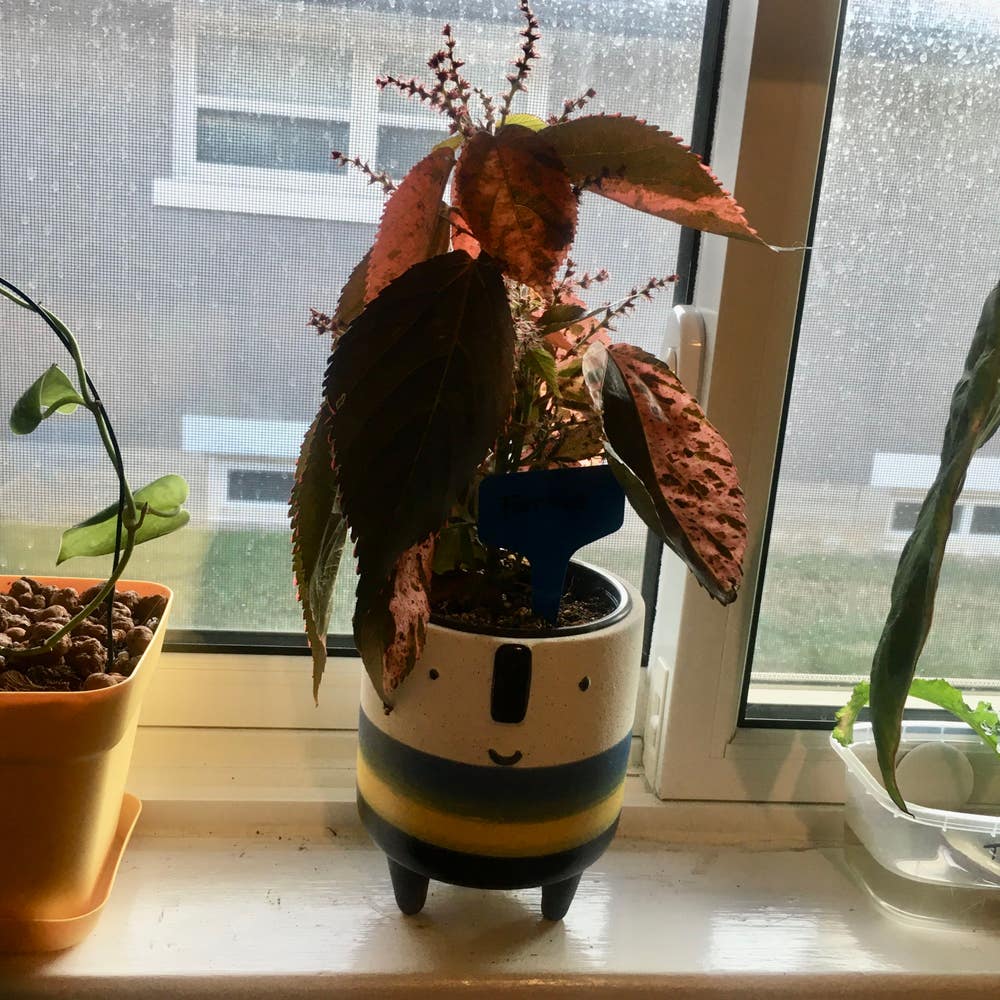
South-facing windows are the champions of sunlight in your home, offering a steady stream of rays that can keep your Common Three-Seeded Mercury thriving. Think of these windows as the plant's personal spotlight, providing the most consistent direct sunlight throughout the day.
🧭 North or South? Hemisphere Hints
Your hemisphere plays a crucial role in the sunlight equation. In the Northern Hemisphere, south-facing windows are your plant's best friend, basking it in unfiltered sunshine. If you're down in the Southern Hemisphere, flip that—north-facing windows are where it's at.
Remember, the sun's path changes with the seasons, so what works in summer may not cut it in winter. Keep an eye on the sun's mood swings and adjust your plant's position accordingly to ensure it gets the light it needs without getting scorched.
Sunburn and Sunblock for Plants
🌞 Spotting a Sun Tan or a Sunburn
- Brown patches or crispy textures on your Common Three-Seeded Mercury? That's a red flag for too much sun.
- Faded colors and dry leaves are the plant's SOS; it's time to rethink its sun exposure.
🌅 Shifting Shades: Protecting Your Plant
- Sheer curtains can be your plant's best friend, offering protection without blocking all the light.
- Consider the time of day; reposition your plant to avoid the harsh midday sun.
Seasonal Sun Shifts: Adapting Plant Care
🌞 Summer vs. Winter Sun Strategies
Summer's blaze means your Common Three-Seeded Mercury could use a break from the spotlight. Shuffle it back from the window, or throw a sheer curtain into the mix to soften those rays. Come winter, it's a different story. The sun's slacking, so scoot your plant closer to the light, or clear the windowsill of any light-blocking clutter.
💡 Indoor Light Hacks
When the sun's a no-show, artificial lights take center stage. Set up a grow light to mimic natural sunlight, keeping it on for the hours your plant would normally bask in the sun. Remember, consistency is key, but don't forget to switch off the lights at bedtime—plants need their beauty sleep too.
⚠️ Safety First
This content is for general information and may contain errors, omissions, or outdated details. It is not medical, veterinary advice, or an endorsement of therapeutic claims.
Always consult a qualified healthcare professional before using any plant as food, medicine, or supplement.
Never eat any plant (or feed one to pets) without confirming its identity with at least two trusted sources.
If you suspect poisoning, call Poison Control (800) 222-1222, the Pet Poison Helpline (800) 213-6680, or your local emergency service immediately.
Spotted an error? Please report it here.
Ensure your Common Three-Seeded Mercury thrives in just the right light by letting Greg auto-magically adjust reminders for sun exposure and curtain calls 🌿.