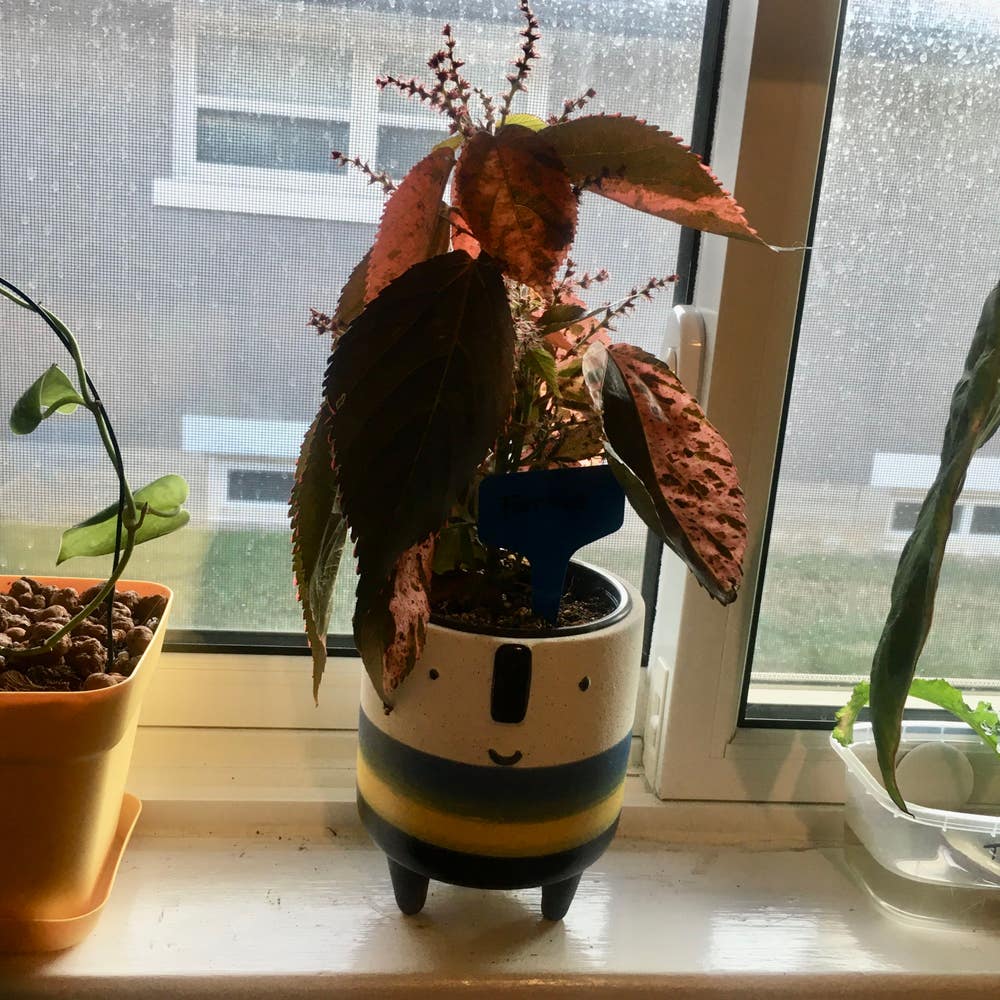
How Can You Tell If A Common Three-Seeded Mercury Is Dying?
Acalypha rhomboidea
By the Greg Editorial Team
Mar 04, 2024•5 min read
This article was created with the help of AI so we can cover more plants for you. May contain errors. See one? Report it here.
Revive your wilting Three-Seeded Mercury 🌿 and prevent its untimely demise with our life-saving care guide.
- Over/under-watering? Check for yellow leaves, wilting, or browning tips.
- 🌡️ Ideal conditions: Bright, indirect light and temperatures between 65-80°F.
- 🐛 Pest prevention: Inspect regularly and use natural remedies like neem oil.
When Watering Gets Tricky
💧 Spotting the Signs of Water Woes
Over-watering can turn your Common Three-Seeded Mercury's life into a soggy mess. Look out for yellowing leaves, a clear cry for help. The soil will feel wetter than a soaked sponge, and you might catch a whiff of something rotten—classic signs of root rot. On the flip side, under-watering leaves your plant high and dry. Expect browning leaf tips and a general wilting posture, like it's too tired to stand up straight. The soil? Dry as a desert.
Fine-Tuning Your Watering Routine
Getting the watering right isn't rocket science, but it does require some attention. Weigh your pot; it's a no-brainer to tell if it's waterlogged or bone dry. The finger test is your best friend—dip in an inch deep to feel the soil's mood. Remember, consistency is your plant's BFF, but don't be a robot about it. Adapt to your plant's thirst levels, which change with the seasons and indoor conditions. Drainage is non-negotiable; ensure water can escape to prevent your plant's roots from drowning. And please, only water when the sun's up to give moisture a fair chance to evaporate.
Light and Temperature: The Balancing Act
🍃 Reading the Leaves for Light and Temperature Stress
Leaves of the Common Three-Seeded Mercury are like mood rings, changing color to reflect their environment. Too much sun scorches them to a crisp, leaving behind a sunburnt brown or a yellowed plea for less light. In contrast, too little warmth and they droop, a clear sign of a plant in need of a cozy up in temperature.
🌿 Creating the Ideal Environment
To keep your Common Three-Seeded Mercury in top shape, monitor light levels like a hawk. Bright, indirect light is the sweet spot; direct sunlight is the enemy. If your plant's leaves are stretching like they're reaching for the last cookie, it's time to move them closer to a light source. Conversely, if they're getting too toasty, diffuse the light with a sheer curtain or relocate to a shadier spot.
Temperature consistency is key—aim for a steady 65-80°F (18-24°C) to avoid leaf tantrums. Watch out for drafty windows or vents; they're the equivalent of a cold shower or a hot flash for your plant. Rotate your plant regularly to ensure even exposure and prevent a lopsided growth, like giving each leaf its turn in the limelight.
The Unseen Enemy: Root Rot and Fungus Among Us
🚨 Early Warnings of Root and Soil Troubles
Root rot and fungal infections are the silent killers of the Common Three-Seeded Mercury. Dark, mushy roots and a distinct foul smell are your first clues that something's amiss underground. If the leaves are starting to look like they've seen better days, and you're catching a whiff of something not quite right, it's time to play detective.
🌊 Turning the Tide Against Decay
To combat these subterranean saboteurs, you need to act fast. Remove the plant from its pot and give those roots a good wash. It's like triage; cut away the rot with sterilized precision. After the operation, repot your plant in fresh, sterile soil. It's a new beginning, a chance to reset the care routine and avoid a sequel.
For prevention, think like a drainage engineer. A well-draining soil mix is your best defense, coupled with a watering schedule that doesn't treat your plant like a fish. Good air circulation is not just a luxury; it's a necessity. Keep an eye out for early signs of trouble, like a musty odor or a sudden change in leaf color.
When it comes to treatment, remember that fungicides are like medicine – they need to be the right fit for the problem at hand. Neem oil and biological fungicides are your eco-friendly options. For the tough cases, chemical fungicides may be necessary, but always spot-test first. It's about matching the treatment to the ailment, not just throwing everything at the wall and seeing what sticks.
Bug Off: Dealing with Pests
🕵️♂️ Catching Critters in the Act
Vigilance is your plant's best friend when it comes to pests. Regular inspections are non-negotiable. Flip those leaves and peer into the nooks; pests love a good hideout. Aphids, spider mites, and whiteflies are the usual suspects, often clustering on the undersides of leaves or along stems.
🌿 Natural and Chemical Defenses
When it comes to defense, you've got options. Insecticidal soap and neem oil are the go-to for a reason—they work. Coat every leaf, top to bottom, for a pest-free zone. If you're dealing with a stubborn infestation, chemical pesticides can step in, but use them as a last resort and follow the label like it's your plant's life on the line—because it is.
Beneficial bugs are your covert ops team. Ladybugs and lacewings munch on pests like they're going out of style. If you're into companion planting, marigolds and mint can help repel the buggers, adding a layer of protection.
Remember, the best offense is a good defense. Keep your plant strong, and it'll be less of a pest magnet. And when you do spot trouble, act fast—your plant will thank you.
⚠️ Safety First
This content is for general information and may contain errors, omissions, or outdated details. It is not medical, veterinary advice, or an endorsement of therapeutic claims.
Always consult a qualified healthcare professional before using any plant as food, medicine, or supplement.
Never eat any plant (or feed one to pets) without confirming its identity with at least two trusted sources.
If you suspect poisoning, call Poison Control (800) 222-1222, the Pet Poison Helpline (800) 213-6680, or your local emergency service immediately.
Spotted an error? Please report it here.
Revive your Common Three-Seeded Mercury by spotting early distress signs and Greg 🌱 will be there to support with custom care reminders, ensuring your green friend stays perfectly watered and pest-free.