Why Are My Common Three-Seeded Mercury Leaves Curling?
Acalypha rhomboidea
By the Greg Editorial Team
Mar 04, 2024•4 min read
This article was created with the help of AI so we can cover more plants for you. May contain errors. See one? Report it here.
Unravel the mystery 🕵️♂️ behind your plant's curling leaves and learn to keep your greens happy and healthy! 🌿
- Early detection is key to prevent further leaf curl damage.
- Over/underwatering, pests, diseases - common culprits of leaf curl.
- Balance water, sunlight, temperature for healthy, flat leaves.
Spotting the Signs: Leaf Curling in Action
🍃 Visual Cues: The Telltale Twists
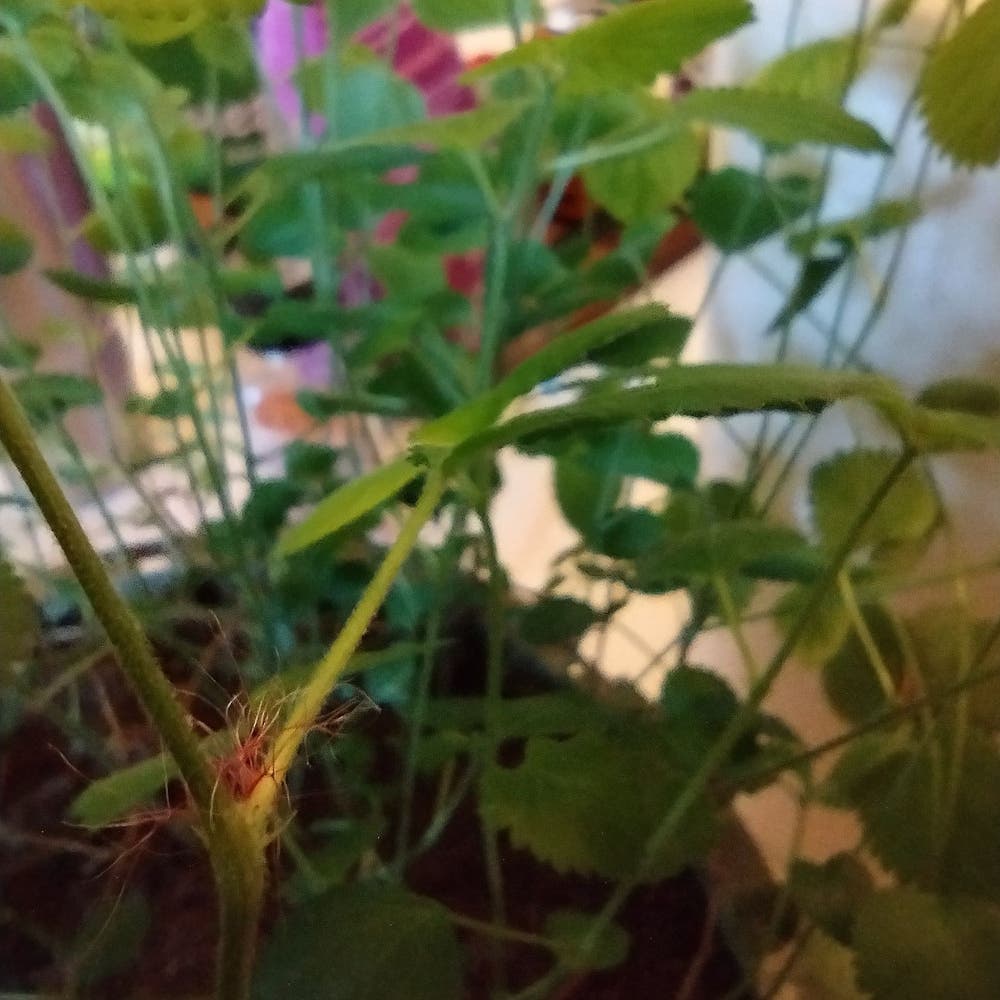
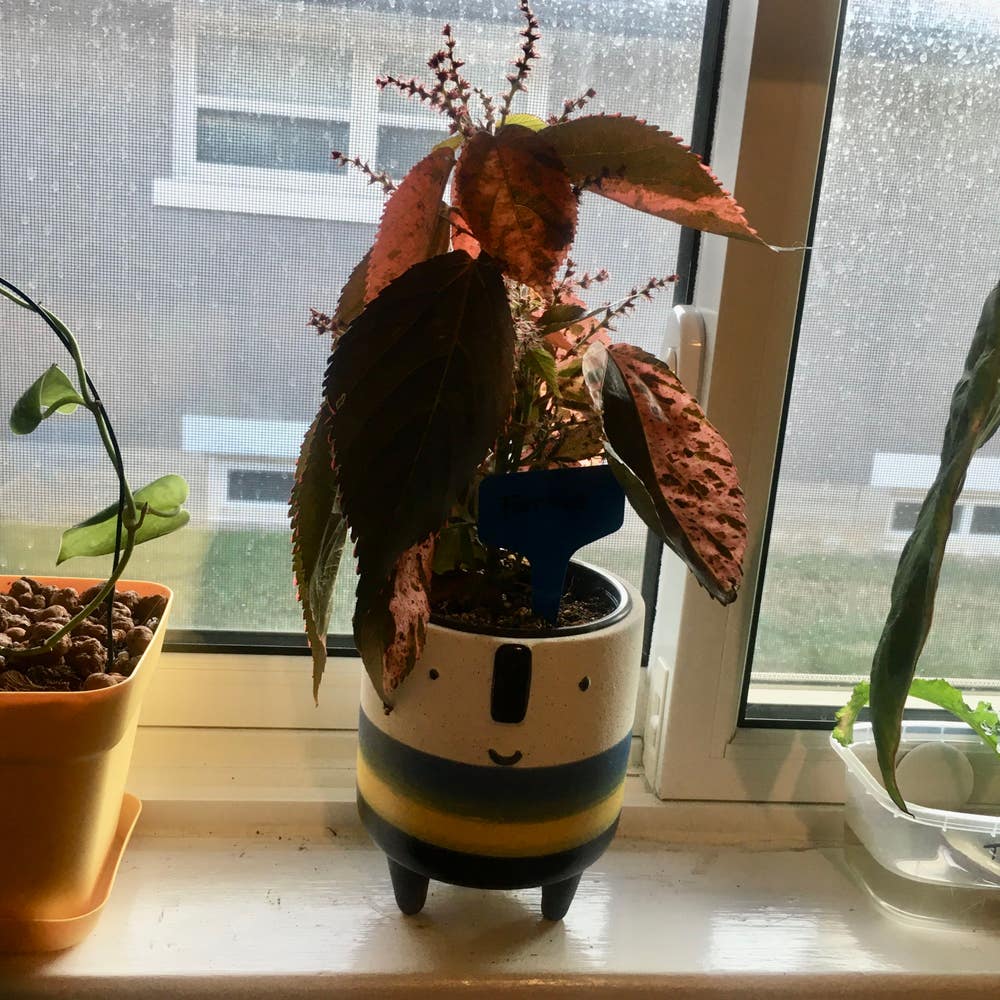
Curling leaves on your Common Three-Seeded Mercury are like red flags at a bullfight—impossible to ignore. Edges rolling inward, a duller green shade, and necrotic spots are the plant's distress signals.
🕵️ Early Detection: The Quick Draw
Spotting these signs early is like defusing a bomb before the countdown ends. Immediate action can save your plant from further damage, so keep those eyes sharp and your reflexes sharper.
🧐 The Inspection Routine
Make it a habit to inspect your plant daily. Look for leaves that seem to be throwing a tantrum, curling away from their usual flat stance. Color changes? They're not just a fashion statement; they're a cry for help.
🗣️ When the Leaves Whisper Trouble
If you catch the curl early, you've got a fighting chance to set things right. It's like catching a mistake in an email before hitting send—crisis averted. So, listen when your plant whispers its woes through those contorted leaves.
Unraveling the Curl: Pinpointing the Causes
💧 Too Much Love: The Perils of Overwatering
Overwatering is a common misstep. Your plant isn't hosting an underwater tea party; its roots need air as much as they need water. When leaves curl and droop, it's a sign they're drowning in excess moisture. The soil should never feel like a wet sponge that's been left in the sink.
🏜️ Thirsty Roots: How Underwatering Can Lead to a Curl
Conversely, underwatering makes your plant's leaves curl up, trying to hold onto every precious drop. The soil will betray the neglect, feeling as dry as a week-old loaf of bread. Leaves may get crispy, signaling a desperate need for hydration.
🐜 Uninvited Guests: Identifying Pests That Bring on the Curl
Pests are like that friend who crashes on your couch and eats all your food. They suck the life out of leaves, causing them to curl as a cry for help. Look for the telltale signs: tiny webs, sticky residue, or the critters themselves.
🤒 Feeling Sick: Recognizing Diseases That Cause Leaf Contortions
Diseases can turn leaves into botanical contortionists. Keep an eye out for unusual spots or a generally unwell appearance. Prevention is key—ensure good air circulation and clean tools to keep pathogens at bay. If disease strikes, act quickly to prevent a full-blown plant epidemic.
Battling the Curl: Effective Treatment Strategies
💧 Balancing the Water: Hydration Sweet Spot
Overwatering turns your plant's home into a swamp, while underwatering leaves it parched. Aim for soil that's moist like a wrung-out sponge. When the top inch feels dry, it's time to water. Remember, consistency is key—establish a routine to keep the soil's moisture just right.
🐜 Evicting Pests: Safe and Effective Methods
Pests are uninvited guests that need a swift kick out the door. Insecticidal soap or neem oil can be your eviction notice. Apply with care to hit all the pest hideouts. For a non-chemical approach, introduce natural predators like ladybugs. Keep the foliage clean to prevent future infestations.
🩺 Healing the Sick: Disease Treatment
When diseases cause the curl, it's time for action. Improve air circulation and keep your tools clean to prevent pathogen spread. If disease strikes, act fast—fungicides may be necessary. Always follow label instructions to avoid harming your plant's ecosystem. Prevention is your best defense, so maintain plant health to ward off future disease.
Shielding Your Greens: Prevention Tactics
💧 Water Wisdom: Mastering the Art of Moisture Control
Watering your Common Three-Seeded Mercury is less about sticking to a rigid schedule and more about understanding its thirst. Check the top inch of soil; if it's dry, it's time for a drink. Remember, the plant's need for water changes with the seasons—less in winter, more in summer.
🕵️ Vigilant Plant Parenting: Keeping an Eye Out for Early Trouble Signs
Monitoring your plant's health is like being a detective on a stakeout. Look for subtle changes in leaf color or texture as clues to bigger issues. Adjust your care routine based on these signals to prevent problems from escalating.
🌞 Creating a Stress-Free Zone: Ensuring the Right Temperature and Sunlight Balance
Shade is crucial during peak sun hours to prevent leaf scorch, but don't forget, these plants crave light. Strike a balance to avoid the extremes of too much sun or gloomy shade. And keep an eye on the thermometer; a stable environment means a happy plant.
⚠️ Safety First
This content is for general information and may contain errors, omissions, or outdated details. It is not medical, veterinary advice, or an endorsement of therapeutic claims.
Always consult a qualified healthcare professional before using any plant as food, medicine, or supplement.
Never eat any plant (or feed one to pets) without confirming its identity with at least two trusted sources.
If you suspect poisoning, call Poison Control (800) 222-1222, the Pet Poison Helpline (800) 213-6680, or your local emergency service immediately.
Spotted an error? Please report it here.
Banish the worry of curling leaves 🍃 on your Three-Seeded Mercury with Greg's tailored watering reminders and community-driven pest solutions for thriving plants.