Black Spots on My Common Three-Seeded Mercury Leaves
Acalypha rhomboidea
By the Greg Editorial Team
Mar 04, 2024•3 min read
This article was created with the help of AI so we can cover more plants for you. May contain errors. See one? Report it here.
Save your plants from black spot despair 🍂 and ensure their lush, healthy growth with our expert guide!
- Black spots signal distress, not just cosmetic issues.
- Fungal and bacterial infections are common culprits.
- Prevent with proper care, like humidity and temperature control.
Spotting the Culprit: Identifying Black Spots on Leaves
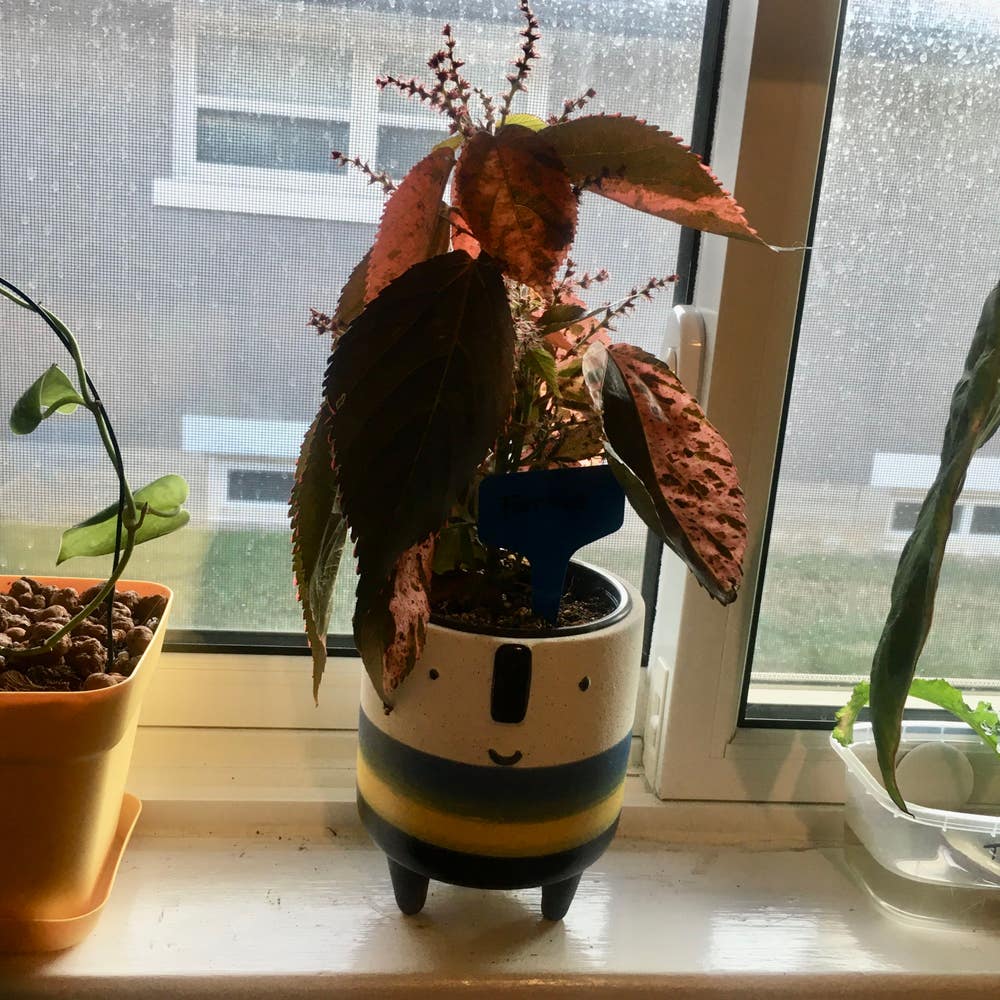
🕵️ Visual Guide to Black Spots
Dark lesions on your Common Three-Seeded Mercury are not just a cosmetic issue—they're a distress signal. These spots may be uniform or scattered, with or without clear borders. They're not the plant equivalent of freckles; they're more like a rash that needs attention.
Beyond the Spots: Associated Symptoms
Look for yellowing leaves or a general decline in plant vigor. These are the silent alarms that accompany black spots. When the spots are severe and the plant's health is declining, it's time to take action—your green buddy is in trouble.
Unearthing the Causes: What's Behind the Black Spots?
🍄 Fungal Foes
Cercospora and Alternaria are the fungi you don't want RSVPing to your Common Three-Seeded Mercury's leaf party. These fungi thrive in moist conditions, turning your plant's leaves into a spotty mess. High humidity and wet foliage are their favorite playgrounds, so keeping leaves dry is crucial.
🦠 Bacterial Bullies
Bacterial black spots are the plant equivalent of a bad tattoo: unwanted and hard to get rid of. Look for spots with a yellow halo—that's bacterial graffiti. These micro-pests sneak in through wounds or natural openings, exploiting your plant's stress like opportunistic little jerks.
🌿 Environmental Stressors
Your plant's black spots could be stress signals, a cry for help in leaf form. Overwatering, poor air circulation, and extreme temperatures are the usual suspects. It's like putting your plant in a sauna and expecting it not to sweat—adjust care to avoid these environmental no-nos.
Battling Black Spots: Treatment Strategies
🍄 Fungicide to the Rescue
When black spots mar the leaves of your Common Three-Seeded Mercury, reaching for a fungicide is a smart move. But not just any fungicide will do; you need one that's effective against the specific fungi at play. Tebuconazole and triticonazole are the MVPs here, known for their fungal-fighting prowess.
- Read the label carefully to ensure proper application.
- Apply fungicide to every part of the plant, including the undersides of leaves.
- Rotate fungicides to prevent the fungi from developing resistance.
🦠 Bacteria Busters
If bacteria are behind the black spots, it's time for targeted bactericides. Copper compounds are often recommended, but they should be used judiciously.
- Apply bactericides as you would apply a precise amount of seasoning—evenly but sparingly.
- Follow the product's instructions meticulously to avoid contributing to antibiotic resistance.
- Reapply treatments as necessary, monitoring your plant's response.
Remember, when it comes to treating plant diseases, precision and restraint are key. Overdoing it can cause more harm than good, so always stick to the recommended guidelines.
Keeping Spots at Bay: Prevention Tactics
💪 Cultural Practices for Plant Health
Adjusting care routines is key in preventing black spots on Common Three-Seeded Mercury. Sanitize your pruning tools; think of it as a hygiene protocol, not just a chore. Remove fallen leaves promptly; they're not decorations but potential fungal breeding grounds.
🌿 Environmental Harmony
Creating the right environment is crucial for black spot prevention. Regulate humidity to avoid creating a spa for fungi. Ensure your plant gets adequate light without turning it into a sunbather. Keep temperatures consistent; your plant isn't seeking a weather adventure. Regularly monitor and tweak these conditions to maintain plant health and prevent black spot recurrence.
⚠️ Safety First
This content is for general information and may contain errors, omissions, or outdated details. It is not medical, veterinary advice, or an endorsement of therapeutic claims.
Always consult a qualified healthcare professional before using any plant as food, medicine, or supplement.
Never eat any plant (or feed one to pets) without confirming its identity with at least two trusted sources.
If you suspect poisoning, call Poison Control (800) 222-1222, the Pet Poison Helpline (800) 213-6680, or your local emergency service immediately.
Spotted an error? Please report it here.
Eradicate those pesky black spots 🍂 with Greg's environmental monitoring and expert care advice, ensuring your plants stay healthy and spot-free.