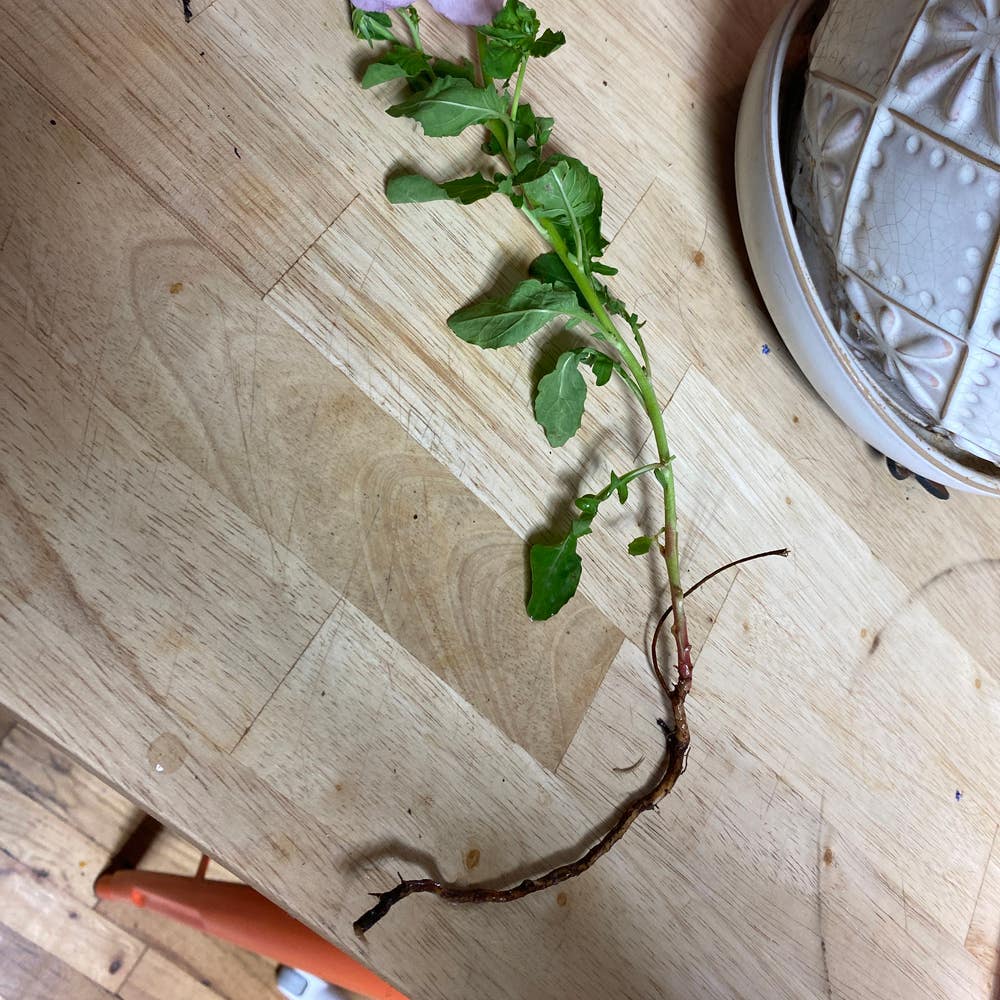
Why Are My Common Evening-Primrose Leaves Mushy? 💧
Oenothera biennis
By the Greg Editorial Team
Jun 19, 2024•3 min read
This article was created with the help of AI so we can cover more plants for you. May contain errors. See one? Report it here.
Prevent mushy Evening-Primrose leaves and ensure plant vitality with these crucial care tips! 🌿🛠️
- Mushy leaves signal overwatering; check for wet, clingy soil and unhealthy roots.
- Improve drainage and soil aeration with perlite or sand to prevent waterlogging.
- Fungal infections thrive in dampness; use baking soda mix or fungicides carefully.
Spotting the Trouble: Signs Your Evening-Primrose is Too Wet
🌧️ Visual Symptoms of Overwatering
Evening-Primrose plants are not drama queens, but they will tell you when they've had too much to drink. Mushy leaves are the first red flag, feeling more like a damp cloth than the robust foliage you're used to. Discoloration, such as yellowing or browning leaves, is the plant's non-verbal way of saying, "I'm waterlogged!"
🕵️ Soil and Root Clues
The soil should be your go-to detective for uncovering watering crimes. If it clings to your fingers with the desperation of wet beach sand, it's a sign of overwatering. As for the roots, healthy ones look like they hit the gym regularly—firm and white. Unhealthy roots are the couch potatoes; they're brown, mushy, and give off a funky smell that's far from the fresh earthiness of healthy soil.

Root of the Problem: Common Causes of Sogginess
💦 Overwatering Woes
Overwatering turns your Common Evening-Primrose into a soggy mess. Roots need to breathe, and too much water suffocates them, leading to mushy leaves. It's a classic case of less is more—too much love can drown your green buddy.
🚰 Drainage Dilemmas
Poor drainage is like a bad party guest that overstays their welcome. It traps water around the roots, creating a soggy environment that's perfect for mushiness. Your plant's pot should be a penthouse with good exit routes, not a waterlogged basement.
🍄 Fungal Foes
Fungi are the uninvited guests at the root party. They thrive in damp conditions and turn leaves into mushy disasters. It's not just about watering less; it's about smart watering to keep these stealthy invaders at bay.

Fixing the Soggy Situation: Immediate Actions
💧 Tweaking Watering Habits
- Pause your watering routine. Let the soil's top inch dry out before considering another soak.
- After the drought period, water only when dryness is confirmed. Consistency is key, not frequency.
🌱 Soil Solutions
- Inspect the pot for drainage holes. If absent, it's time for a pot upgrade.
- Mix in perlite or sand to promote aeration. This helps water flow through, not pool.
🍄 Fighting the Fungus
- Start with a gentle baking soda and soap mix to address potential fungi.
- If the issue persists, escalate to a commercial fungicide, but sparingly. Remember, less can be more.
Keeping Leaves Firm: Long-Term Prevention
💧 Smart Watering Strategies
Consistency is key to keeping your Evening-Primrose thriving. Water when the top inch of soil feels dry—think desert, not swamp. Seasonal adjustments are crucial; your plant's thirst in winter is a mere shadow of its summer needs.
🌱 Soil Structure and Health
For soil that won't betray your Evening-Primrose with sogginess, drainage is your ally. Mix in perlite or sand to keep the soil loose and aerated. Remember, compact soil is a recipe for disaster.
🧼 Cleanliness is Key
Hygiene isn't just for humans. Keep the foliage and surrounding area clean to discourage fungal gatecrashers. Quarantine new plants to prevent unwanted pest parties. And always, always inspect regularly—vigilance is the guardian of plant health.
⚠️ Safety First
This content is for general information and may contain errors, omissions, or outdated details. It is not medical, veterinary advice, or an endorsement of therapeutic claims.
Always consult a qualified healthcare professional before using any plant as food, medicine, or supplement.
Never eat any plant (or feed one to pets) without confirming its identity with at least two trusted sources.
If you suspect poisoning, call Poison Control (800) 222-1222, the Pet Poison Helpline (800) 213-6680, or your local emergency service immediately.
Spotted an error? Please report it here.
Ensure your Evening-Primrose leaves are never mushy again 🌿 with Greg's personalized watering reminders that respect your plant's need for dry soil and good drainage.