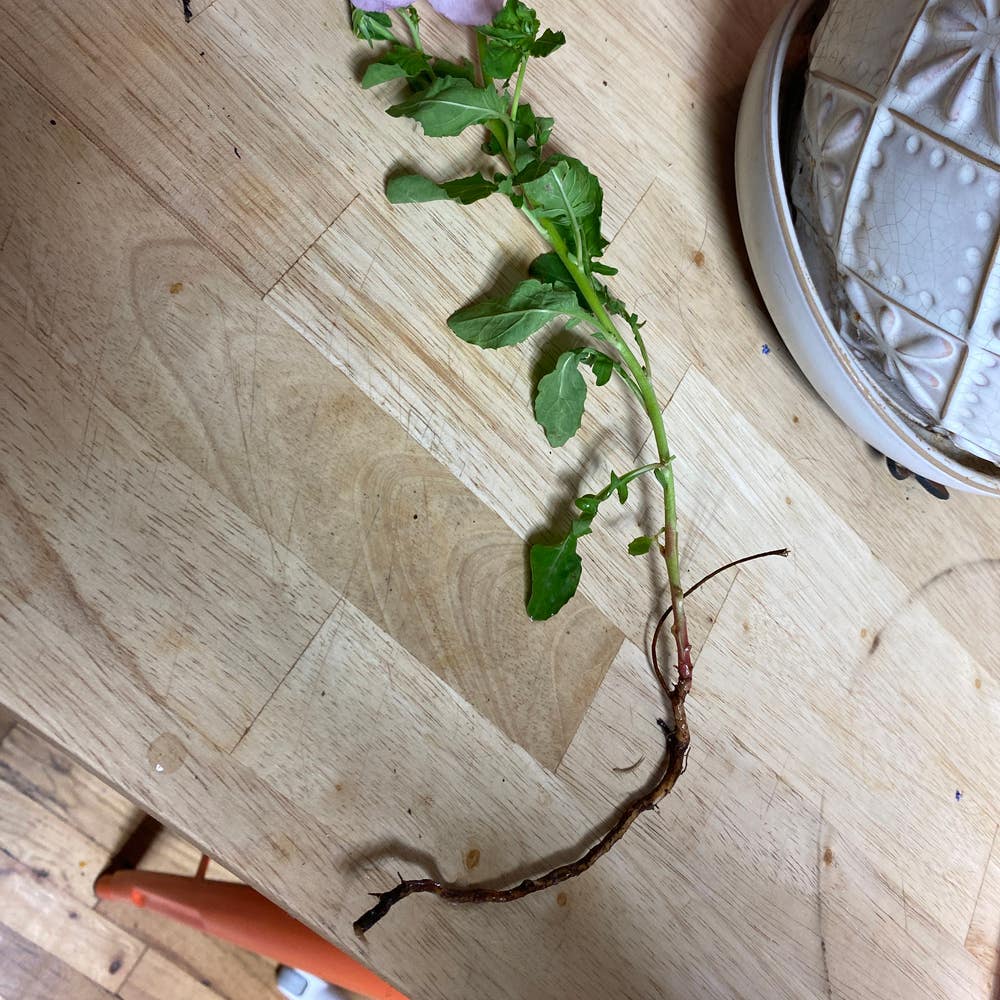
🌞 Sundrop Roots 101
Oenothera biennis
By the Greg Editorial Team
Oct 25, 2024•6 min read
This article was created with the help of AI so we can cover more plants for you. May contain errors. See one? Report it here.
Master Sundrop plant care 🌱 by understanding their unique root systems for vibrant growth and resilience!
- 🌱 Sundrop plants have fibrous roots, ensuring efficient nutrient and water absorption.
- 💧 Proper watering prevents root rot; let soil dry out between waterings.
- 🌼 Healthy roots are white and firm; monitor for signs of distress regularly.
Type of Root System
🌱 Fibrous Root System Characteristics
Sundrop plants boast a fibrous root system, which is characterized by a network of thin, branching roots. This structure allows for shallow, widespread growth, making it highly efficient at nutrient uptake.
🌟 Advantages of Fibrous Roots
The fibrous system excels in absorbing water and nutrients from the upper soil layers. This adaptability is particularly beneficial in nutrient-rich environments, where quick access to resources is crucial.
⚖️ Comparison with Taproot Systems
In contrast, taproot systems feature a single, thick root that grows deep into the soil. While taproots can access moisture from deeper layers, they often struggle in compacted or poor soil conditions.
🚫 Disadvantages of Taproot Systems
Taproots may provide stability but can be less efficient in nutrient uptake compared to fibrous roots. This makes them more vulnerable to drought, as they rely heavily on deep moisture reserves.
Understanding these root systems is essential for effective Sundrop care. With the right knowledge, you can optimize watering and fertilization strategies to promote robust growth.
Root Depth, Spread, and Growth Patterns
🌱 Typical Root Depth and Spread
Sundrop plants typically develop roots that reach an average depth of 12 to 24 inches. This depth can vary based on soil conditions, but it allows for effective nutrient uptake.
The root spread can extend 2 to 3 feet wide, which is essential for absorbing water and nutrients efficiently. This widespread root system helps the plant thrive in various environments.
📈 Growth Patterns
Sundrop plants exhibit distinct seasonal growth patterns. They experience active growth during the spring and summer months, taking advantage of warmer temperatures and increased sunlight.
During drought conditions, these plants adapt by expanding their roots deeper into the soil to access moisture. This resilience is key to their survival and overall health.
Understanding these growth patterns can help you provide better care for your Sundrop plants, ensuring they remain vibrant and healthy throughout the seasons.
Watering, Fertilizing, and Transplanting
How Root System Affects Watering Needs 🌱
Understanding your Sundrop's root system is crucial for effective watering. These fibrous roots thrive when the soil dries out between waterings, promoting healthy growth.
Overwatering can lead to serious issues. Look for signs like yellowing leaves, wilting, and root rot to gauge your watering habits.
Fertilization Considerations 🌿
Fibrous roots are efficient at nutrient uptake, making fertilization essential for optimal growth. A balanced NPK ratio—nitrogen, phosphorus, and potassium—will support your Sundrop's health.
Regularly applying the right fertilizer can significantly enhance growth and vitality. This ensures your plant gets the nutrients it needs without overwhelming its root system.
Best Practices for Transplanting 🚚
Timing is everything when it comes to transplanting. Early spring or fall is ideal for moving your Sundrop to a new location.
Follow these steps for a successful transplant:
- Prepare the new planting hole, making it twice the width of the root ball.
- Gently loosen the root ball and remove any damaged roots.
- Place the plant in the new hole and backfill with soil.
- Water thoroughly after transplanting to help settle the soil.
These practices will minimize stress on the plant and promote healthy root establishment in its new home.
With proper watering, fertilizing, and transplanting techniques, your Sundrop will flourish, setting the stage for a vibrant and healthy plant. Next, let’s explore common root-related issues that can arise and how to tackle them effectively.
Common Root-Related Issues
Identifying Common Problems 🌱
Root rot is a significant concern for Sundrop plants. It often arises from overwatering, leading to symptoms like yellowing leaves, wilting, and a foul smell from the roots.
Another issue is pests, particularly nematodes. These microscopic worms can wreak havoc on root health, causing stunted growth and poor nutrient absorption.
Prevention and Solutions 🛡️
To prevent these problems, adopt best practices for watering and soil drainage. Allow the soil to dry out between waterings to avoid creating a soggy environment.
For pest control, consider organic solutions like neem oil. Beneficial nematodes can also help manage harmful nematode populations, promoting a healthier root system.
By staying vigilant and proactive, you can ensure your Sundrop plants thrive without the burden of root-related issues. Next, let’s explore how to assess root health effectively.
Indicators of Root Health
👀 Visual Cues for Healthy vs. Unhealthy Roots
Healthy roots are a sight to behold. They should be white, firm, and spread out, indicating a robust system ready to absorb nutrients.
In contrast, unhealthy roots present a worrying picture. Look for brown, mushy roots that emit a foul smell—these are signs of rot and distress.
📊 Other Indicators
Plant vigor is another key indicator of root health. A thriving plant will exhibit a steady growth rate and lush leaf health, signaling that the roots are doing their job.
Soil moisture levels also play a crucial role. Regular monitoring can help you gauge root health, ensuring your Sundrop plant remains hydrated without the risk of overwatering.
Understanding these indicators empowers you to take proactive steps, ensuring your Sundrop thrives. Next, let’s explore common root-related issues that can arise and how to address them effectively.
Rootbound Plants
Definition and Recognition 🌱
Rootbound plants occur when roots circle the pot, restricting growth and nutrient absorption. This condition can lead to stunted growth and poor water uptake, making it crucial to recognize early signs.
Signs of Rootbound Conditions 🚩
Look for indicators such as:
- Stunted growth: The plant seems to stop thriving.
- Poor water absorption: Water runs straight through without soaking in.
When and How to Address Conditions ⏰
Timing is key for intervention. Repot or divide your plant when you notice rootbound signs, typically during the growing season.
Steps to Alleviate Rootbound Conditions 🛠️
Follow these steps to help your plant thrive again:
- Remove the plant from its pot. Gently ease it out to avoid damaging the roots.
- Trim circling roots and untangle them gently. This encourages new growth and prevents future binding.
- Repot in a larger container with fresh soil. Choose a pot that allows room for expansion.
By addressing rootbound conditions promptly, you can revitalize your Sundrop plant and promote healthy growth. This proactive approach ensures your plant has the space it needs to flourish.
Next, we’ll explore the importance of root health in propagation, ensuring your plants continue to thrive.
Importance of Root Health in Propagation
Maintaining Root Health 🌱
Ensuring root health during propagation is crucial for the success of your Sundrop plants. Start with clean tools and use high-quality soil to minimize the risk of disease.
Timing also plays a significant role. The best seasons for propagation are spring and early summer, as this is when plants are naturally geared towards growth.
Tips for Dividing Effectively ✂️
Dividing your Sundrop plants can rejuvenate them and promote healthy growth. Follow these steps for successful division:
- Water the plant a day before dividing to ensure the roots are hydrated.
- Carefully separate the root clumps, taking care not to damage them.
- Replant immediately in suitable soil to give your plants the best chance of thriving.
By paying attention to root health and following these techniques, you can enhance your propagation efforts and enjoy vibrant Sundrop plants. This sets the stage for understanding common root-related issues that may arise in your gardening journey.
⚠️ Safety First
This content is for general information and may contain errors, omissions, or outdated details. It is not medical, veterinary advice, or an endorsement of therapeutic claims.
Always consult a qualified healthcare professional before using any plant as food, medicine, or supplement.
Never eat any plant (or feed one to pets) without confirming its identity with at least two trusted sources.
If you suspect poisoning, call Poison Control (800) 222-1222, the Pet Poison Helpline (800) 213-6680, or your local emergency service immediately.
Spotted an error? Please report it here.
Unlock the secret to thriving Sundrop plants 🌿 with Greg's tailored watering alerts and nutrient tips that ensure your roots stay healthy and happy!