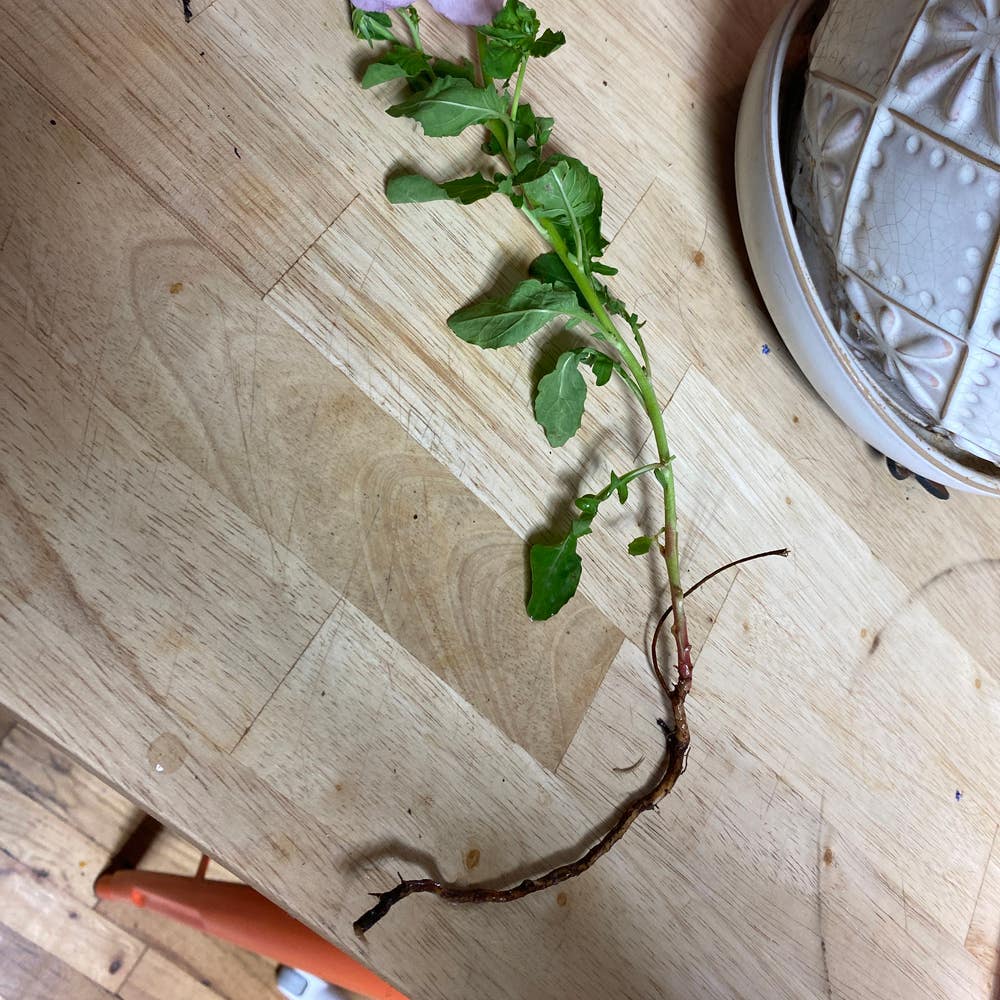
Lifespan of Common Evening Primrose
Oenothera biennis
By the Greg Editorial Team
Nov 26, 2024•6 min read
This article was created with the help of AI so we can cover more plants for you. May contain errors. See one? Report it here.
Discover how to nurture your Common Evening Primrose 🌼 through its fascinating life cycle and care tips!
- 🌱 Common Evening Primrose thrives in well-drained, fertile soil with pH 6.0-7.0.
- ☀️ Germination requires sunlight; plant in a sunny spot for best results.
- 🌼 Life cycle completes in two years, with vibrant blooms in the second year.
Seed Germination
🌱 Conditions for Germination
To kickstart the life of Common Evening Primrose, the right conditions for seed germination are crucial. These seeds thrive in well-drained, fertile soil with a pH between 6.0 and 7.0, ensuring they have the nutrients they need.
Light exposure plays a significant role too. Seeds require light for optimal germination, so planting them in a sunny spot can make all the difference.
Temperature is another key factor. The ideal range for germination is between 65°F to 75°F (18°C to 24°C), creating a cozy environment for those seeds to sprout.
⏳ Timeframe for Germination
Once the conditions are just right, you can expect germination to occur within 7 to 14 days. This timeframe can vary based on several factors, including soil moisture, temperature, and light availability.
Keeping an eye on these elements can help ensure a successful germination process. By providing the right environment, you set the stage for a healthy plant that will flourish in the coming stages of its life cycle.
As we move forward, let's explore the exciting seedling stage and what to expect as these young plants begin to grow.
Seedling Stage
🌱 Characteristics of Seedlings
The seedlings of Common Evening Primrose are a sight to behold. They start with small, delicate leaves that are oval-shaped, giving them a unique charm.
Their growth habit is impressive, as they exhibit rapid initial growth. This phase is crucial for establishing a strong root system, which will support the plant in its later stages.
⏳ Duration of the Seedling Stage
The seedling stage lasts approximately 4 to 6 weeks. During this time, the seedlings undergo significant changes.
You can identify the transition from seedling to the next growth phase by observing the development of true leaves and an increase in stem height. These indicators signal that the plant is ready to move forward in its life cycle.
As the seedlings mature, they set the stage for the exciting vegetative growth phase ahead.
Vegetative Growth
🌱 Description of Vegetative Growth Phase
During the vegetative growth phase, Common Evening Primrose showcases its unique growth characteristics. The plant forms rosettes with broad, lush leaves, and can reach heights of up to 2 feet.
In this stage, the increased leaf surface area plays a crucial role in photosynthesis. More leaves mean more sunlight captured, fueling the plant's growth and vitality.
⏳ Length of Vegetative Growth Period
The vegetative growth period typically lasts from 6 months to 1 year. This duration can vary based on environmental conditions, such as soil quality and moisture levels.
Seasonal influences also play a significant role in growth rates. Cooler temperatures or drought conditions can slow down the plant's development, reminding us of nature's delicate balance.
As the vegetative phase concludes, the plant is well-prepared for the next stages of its life cycle, transitioning into flowering and seed production. This progression highlights the resilience and adaptability of the Common Evening Primrose in various environments.
Flowering Stage
Timing of Flowering 🌼
The flowering of Common Evening Primrose typically begins in late spring to early summer of its second year. These beautiful blooms are not just a sight to behold; they also have a unique schedule, opening in the evening and lasting until the next morning, creating a stunning display for several weeks.
Description of Flowers and Pollination 🐝
The flowers of the Common Evening Primrose are large and strikingly yellow, designed to attract nocturnal pollinators like moths. While these plants primarily self-pollinate, they also welcome cross-pollination from insects, enhancing genetic diversity and ensuring robust seed production.
As the flowering stage unfolds, the plant showcases its reproductive maturity, inviting a variety of pollinators to partake in its life cycle. This stage is crucial, as it not only contributes to the plant's survival but also enriches the surrounding ecosystem.
With the flowering stage complete, the focus shifts to the next critical phase: seed production. Here, the plant will continue its journey, ensuring the cycle of life persists.
Seed Production
🌱 Process of Seed Production
After the stunning display of flowers, the Common Evening Primrose shifts its focus to seed production. The plant develops seed pods that house small, brown seeds, ready to embark on their journey of growth.
This plant has a remarkable self-seeding capability. This means it can naturally propagate itself, ensuring that new generations flourish without much intervention.
⏳ Duration and Conditions for Seed Maturation
Seeds typically mature around 6 to 8 weeks after flowering. This timeframe allows the seeds to develop fully, preparing them for the next cycle of life.
For optimal seed maturation, warm temperatures and adequate moisture are essential. These conditions create a nurturing environment that promotes successful seed development, ensuring the cycle continues.
As we explore the overall lifespan of the Common Evening Primrose, we can see how each stage contributes to its remarkable journey.
Overall Lifespan
Average Lifespan 🌱
The Common Evening Primrose typically completes its life cycle within two years. In the first year, the plant focuses on vegetative growth, establishing a strong foundation before transitioning to flowering and seed production in the second year.
Factors Affecting Lifespan and Growth Rate 🌍
Several environmental factors can significantly impact the lifespan and growth rate of the Common Evening Primrose. Soil quality, sunlight, and water availability are crucial for healthy development.
Competition from other plants can also influence growth rates and overall health. When surrounded by aggressive species, the Evening Primrose may struggle to thrive, affecting its longevity.
Understanding these factors can help gardeners create optimal conditions for this beautiful biennial. By ensuring adequate resources and managing competition, you can enjoy the vibrant blooms of the Evening Primrose for years to come.
Next, we'll explore the notable changes that occur throughout the life cycle of the Common Evening Primrose.
Notable Changes Throughout Life Cycle
🌱 Physical Changes During Each Stage
The life cycle of the Common Evening Primrose is marked by distinct physical transformations.
In the seedling stage, the plant begins with small, oval leaves that gradually evolve into larger, more defined shapes. This transition is crucial as it sets the foundation for the plant's future growth.
As the plant enters the vegetative growth phase, it develops a robust stem and significantly increases its leaf size. This growth is vital for maximizing photosynthesis, which fuels the plant's energy needs.
During the flowering stage, the emergence of bright yellow flowers signals reproductive maturity. These vibrant blooms not only attract pollinators but also indicate that the plant is ready to fulfill its role in the ecosystem.
🌍 Environmental Influences on Growth Stages
Environmental factors play a pivotal role in shaping the growth of the Common Evening Primrose.
Seasonal changes such as temperature fluctuations and varying rainfall patterns can significantly affect growth rates and flowering times. For instance, a warm, wet spring can lead to a burst of growth, while a dry spell may slow down development.
Additionally, soil conditions are critical for the plant's health. Nutrient availability and drainage directly impact the vigor of the Evening Primrose, influencing everything from leaf size to flowering success.
Understanding these changes and influences can enhance your appreciation for this resilient plant. As we move forward, let’s explore how these factors contribute to the overall lifespan of the Common Evening Primrose.
⚠️ Safety First
This content is for general information and may contain errors, omissions, or outdated details. It is not medical, veterinary advice, or an endorsement of therapeutic claims.
Always consult a qualified healthcare professional before using any plant as food, medicine, or supplement.
Never eat any plant (or feed one to pets) without confirming its identity with at least two trusted sources.
If you suspect poisoning, call Poison Control (800) 222-1222, the Pet Poison Helpline (800) 213-6680, or your local emergency service immediately.
Spotted an error? Please report it here.
Grow vibrant Evening Primrose blooms 🌼 for years by using Greg's tailored care reminders to keep your plants thriving in their ideal conditions!