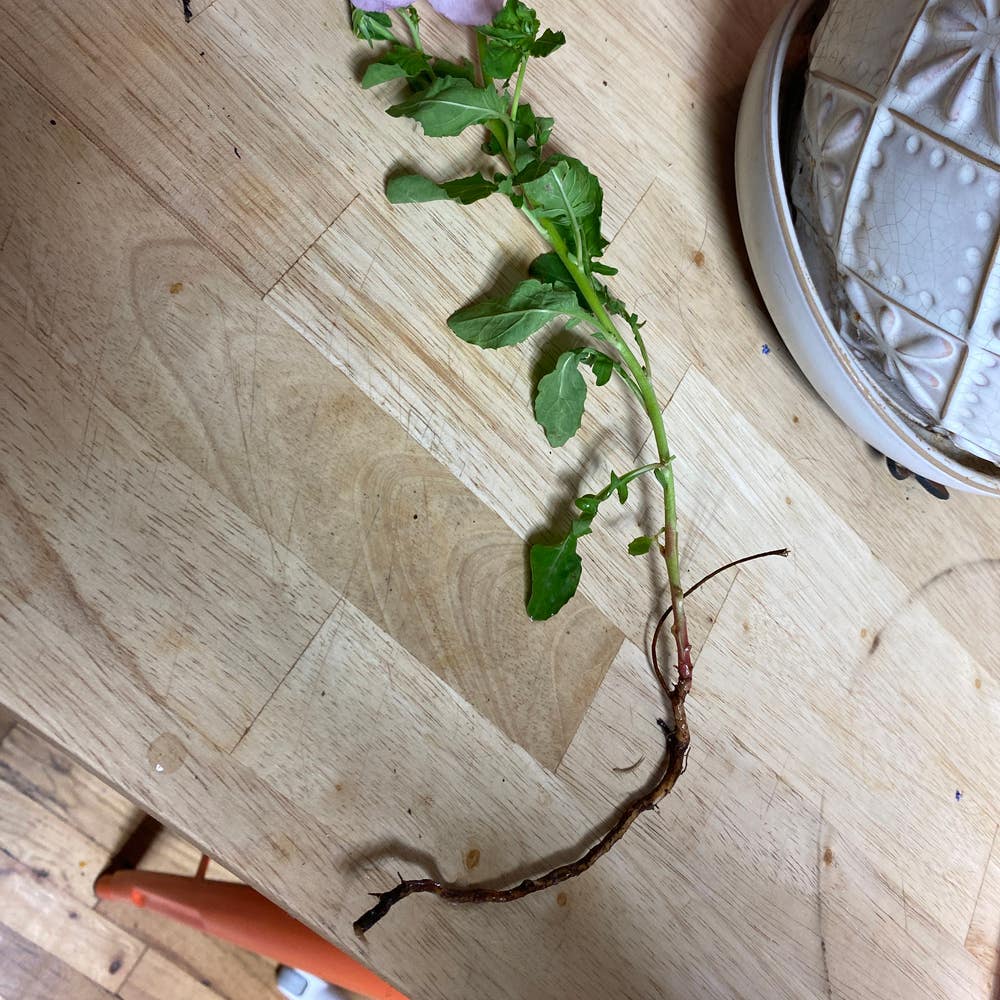
🌼 Common Evening Primrose Hardiness Zones: 4a-9b
Oenothera biennis
By the Greg Editorial Team
Nov 26, 2024•5 min read
This article was created with the help of AI so we can cover more plants for you. May contain errors. See one? Report it here.
Master the art of growing Common Evening Primrose 🌼 by understanding its hardiness and ideal conditions for vibrant blooms!
- 🌱 Common Evening Primrose thrives in USDA zones 4a-9b, adaptable to various climates.
- ❄️ Cold tolerance allows survival down to 20°F (-6°C); timing is crucial for planting.
- ☀️ Full sun and well-drained soil are ideal for vibrant blooms and healthy growth.
Common Evening Primrose Hardiness
🌡️ Specific Temperature Ranges
The Common Evening Primrose thrives in a temperature range of 20°F to 90°F (-6°C to 32°C). This flexibility allows it to flourish in various climates, but extreme temperatures can significantly impact its growth and flowering.
When temperatures dip below the ideal range, the plant may struggle, leading to stunted growth or even death. Conversely, excessive heat can cause wilting and reduced flowering unless moisture levels are maintained.
❄️ Cold and Heat Tolerance
Cold tolerance is one of the plant's strengths, enabling it to survive temperatures as low as 20°F (-6°C). This resilience makes it a suitable choice for gardeners in cooler climates.
On the other hand, heat tolerance is equally impressive, as the Common Evening Primrose can thrive in temperatures up to 90°F (32°C) when provided with adequate moisture. This adaptability allows it to flourish in a variety of environments.
🌨️ Effects of Frost
The first frost can pose a significant threat to young Common Evening Primrose plants and their flowers. Damage from frost can stunt growth and reduce flowering potential.
Timing is crucial, as the last frost of the season dictates when to plant. Understanding frost tolerance is essential; while the plant can withstand light frosts, prolonged freezing conditions can be detrimental to its health.
In summary, knowing the hardiness of the Common Evening Primrose is vital for successful cultivation. With the right temperature management and awareness of frost impacts, gardeners can enjoy vibrant blooms throughout the growing season.
Next, we'll explore the ideal growing regions for this resilient plant, highlighting suitable states and the factors that contribute to its success.
Ideal Growing Regions
🌍 Suitable US States
Common Evening Primrose thrives in hardiness zones 4a to 9b, making it a versatile choice for many gardeners. Notable states include:
- Minnesota (Zone 4a): Ideal for those in cooler climates.
- Iowa (Zone 5b): A great middle ground for growth.
- Texas (Zone 8b): Perfect for warmer regions.
- California (Zone 9b): Offers a long growing season.
These states provide the right conditions for this resilient plant to flourish.
🌱 Contributing Factors
Soil and climate play crucial roles in the success of Common Evening Primrose.
Soil Preferences: This plant prefers well-drained soils with moderate fertility, ensuring roots can breathe and access nutrients effectively.
Climate Considerations: Full sun exposure is essential, along with adequate rainfall. These factors help the plant reach its full potential, producing vibrant blooms.
Understanding these elements can significantly enhance your gardening experience with Common Evening Primrose. As you explore suitable regions, consider how local conditions can impact growth and flowering.
Next, we will delve into the fascinating world of microclimates and their influence on the growth of Common Evening Primrose.
Microclimates and Their Impact
🌦️ Understanding Microclimates
Microclimates are localized climate conditions that differ from the surrounding area. These small-scale variations can significantly influence the growth of plants, including Common Evening Primrose.
🌱 How Microclimates Affect Growth
Microclimates can either extend or limit the growing range of Common Evening Primrose. For instance, a sheltered garden area may provide a warmer environment, promoting earlier flowering, while a windy hilltop could expose plants to harsher conditions, stunting their growth.
🌞 Beneficial Microclimates
Certain microclimates can create ideal conditions for Common Evening Primrose. Areas with southern exposure often receive more sunlight, enhancing growth and flowering. Additionally, spots near bodies of water may maintain higher humidity levels, benefiting the plant during hot spells.
🚫 Limiting Microclimates
Conversely, some microclimates can hinder the growth of Common Evening Primrose. For example, shaded areas under large trees may not provide enough sunlight, leading to weak, leggy plants. Similarly, low-lying areas prone to frost can damage young plants, impacting their overall health.
📊 Case Studies of Microclimate Effects
In California, coastal gardens often experience milder temperatures due to ocean breezes, allowing Common Evening Primrose to thrive. On the other hand, in the Midwest, urban heat islands can create warmer conditions that may accelerate blooming but also increase water needs.
🧑🌾 Conclusion
Understanding microclimates is essential for successfully growing Common Evening Primrose. By recognizing how local conditions can enhance or hinder growth, gardeners can make informed decisions about planting locations and care strategies.
As we explore state-level suitability, consider how these microclimate insights can further refine your gardening approach.
State-Level Suitability Analysis
Suitable States List 🌍
Common Evening Primrose thrives in a variety of states across the U.S., particularly those within hardiness zones 4a to 9b. Here’s a comprehensive list of suitable states:
- Minnesota
- Iowa
- Illinois
- Indiana
- Ohio
- Pennsylvania
- New Jersey
- Virginia
- North Carolina
- Texas
- California
These states provide the ideal climate and soil conditions for the growth of this resilient plant.
Unsuitable States and Reasons 🚫
While Common Evening Primrose flourishes in many regions, some states fall outside its hardiness zone range. Notable examples include:
- Alaska (Zone 1-3)
- Florida (Zone 10-11)
These states experience environmental factors that hinder the plant's growth. In Alaska, extreme cold temperatures make it nearly impossible for the plant to survive. Conversely, Florida's high humidity and heat levels can overwhelm the plant, leading to poor growth and flowering.
Environmental Factors Affecting Suitability 🌱
Several environmental factors play a crucial role in determining the suitability of a region for Common Evening Primrose.
- Extreme Temperatures: Both excessive heat and severe cold can stress the plant, impacting its health and flowering potential.
- Humidity Levels: High humidity can lead to fungal diseases, while low humidity may cause dehydration.
- Soil Conditions: Well-drained soils with moderate fertility are essential for optimal growth. Poor soil quality can stunt development and reduce flowering.
Understanding these factors can help gardeners and landscapers choose the best locations for planting Common Evening Primrose, ensuring a vibrant and healthy display.
As we explore the next topic, consider how microclimates can further influence the growth of this hardy plant.
⚠️ Safety First
This content is for general information and may contain errors, omissions, or outdated details. It is not medical, veterinary advice, or an endorsement of therapeutic claims.
Always consult a qualified healthcare professional before using any plant as food, medicine, or supplement.
Never eat any plant (or feed one to pets) without confirming its identity with at least two trusted sources.
If you suspect poisoning, call Poison Control (800) 222-1222, the Pet Poison Helpline (800) 213-6680, or your local emergency service immediately.
Spotted an error? Please report it here.
Unlock vibrant blooms with your Common Evening Primrose 🌼 by using Greg's tailored moisture alerts and care tips to thrive in your unique climate!