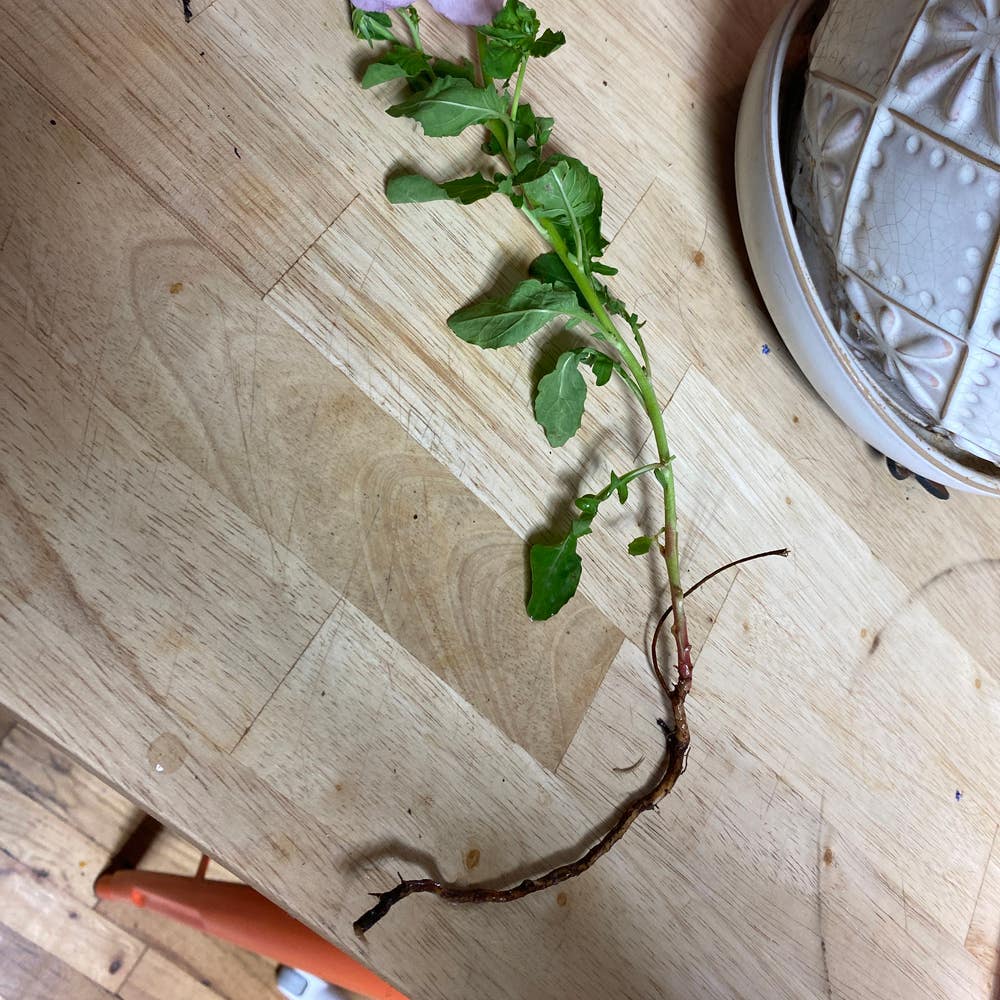
What's Eating Your Yellow Evening Primrose 🐛
Oenothera biennis
By the Greg Editorial Team
Oct 16, 2024•7 min read
This article was created with the help of AI so we can cover more plants for you. May contain errors. See one? Report it here.
Safeguard your Yellow Evening Primrose 🌼 and nurture a vibrant garden ecosystem with these essential herbivore deterrent tips!
- 🌼 Yellow Evening Primrose attracts herbivores like deer and rabbits, impacting growth and health.
- 🚫 Effective deterrents include fencing, repellents, and netting to protect your plants.
- 🌱 Monitor for signs of herbivores regularly to ensure early intervention and plant health.
Appearance and Appeal
Yellow Evening Primrose is a striking plant that can reach heights of 2 to 4 feet. Its lance-shaped leaves are arranged alternately and have a soft texture, making them visually appealing.
🌼 Flowers
The flowers of the Yellow Evening Primrose are a vibrant bright yellow, featuring four petals that emit a delightful fragrance. This sweet nectar is a magnet for herbivores and pollinators alike, drawing them in with its irresistible allure.
🌱 Young Shoots and Fruits
In addition to its flowers, the young shoots of the plant are tender and nutritious, providing a tasty treat for various animals. The seed pods that develop later are equally enticing, attracting birds and small mammals eager for a snack.
This combination of appealing features makes the Yellow Evening Primrose a favorite among many creatures in the ecosystem. Understanding its allure can help in managing its interactions with herbivores effectively.
As we explore the common herbivores that target this plant, we’ll uncover the signs of their presence and the types of damage they can inflict.
Common Herbivores
🦌 Deer
Signs of presence
Deer are often easy to spot in your garden. Look for distinctive hoof prints and signs of browsing, where leaves and flowers show evidence of nibbling.
Type of damage
When deer feast on your Yellow Evening Primrose, they can stunt growth and reduce flowering. This browsing can lead to a significant decline in plant health.
Interaction
Deer are generally harmful to your plants. If left unmanaged, they can decimate populations, leaving your garden looking bare.
Deterrent methods
To keep deer at bay, consider installing 8-foot tall fencing. Alternatively, use repellents, such as commercial sprays or homemade solutions like garlic spray.
🐇 Rabbits
Signs of presence
Rabbits leave behind small, round droppings and clean gnaw marks on stems and leaves. These signs indicate their presence and appetite.
Type of damage
Rabbits can cause severe damage by chewing on young plants. Their nibbling can lead to significant plant loss, especially in tender shoots.
Interaction
Rabbits are generally harmful to your garden. Their feeding habits can lead to a noticeable decline in plant health.
Deterrent methods
To protect your plants, cover them with mesh netting. You can also use natural repellents like cayenne pepper spray or predator urine to deter these furry intruders.
🐿️ Squirrels
Signs of presence
Squirrels leave evidence of their presence through chewed stems and disturbed soil. Their digging can indicate they’re searching for seeds or roots.
Type of damage
These critters can uproot plants and eat seeds, leading to plant loss and reduced seed production. Their antics can disrupt your garden’s growth.
Interaction
Squirrels are generally harmful to your Yellow Evening Primrose. Their foraging habits can significantly impact plant health.
Deterrent methods
To deter squirrels, use scare tactics like reflective objects or noise-making devices. Additionally, placing wire mesh around plant bases can create a physical barrier.
🐦 Birds
Signs of presence
Birds can be spotted by pecking holes in leaves or flowers. Nests nearby often indicate frequent visits to your garden.
Type of damage
Birds can eat seeds and flowers, reducing seed set and flowering. Their feeding can lead to a less vibrant garden.
Interaction
Birds have a mixed impact on your plants. While some can be beneficial, others may cause harm by consuming your flowers and seeds.
Deterrent methods
To protect your plants, cover them with netting. You can also use shiny reflective objects to deter birds from feasting on your garden.
🐭 Rodents and Groundhogs
Signs of presence
Look for small burrows or trails that indicate rodent activity. Droppings, often small and dark, can also signal their presence.
Type of damage
Rodents and groundhogs gnaw on roots and stems, leading to wilting and potential plant death. Their feeding habits can severely damage your Yellow Evening Primrose.
Interaction
These animals are generally harmful to your garden. Their presence can lead to significant plant damage if not addressed.
Deterrent methods
To manage rodents, consider using traps, either snap or live. Habitat modification, such as reducing cover and food sources, can also help keep them away.
Understanding the common herbivores that threaten your Yellow Evening Primrose is crucial for maintaining a healthy garden. By recognizing their signs and implementing effective deterrent methods, you can protect your plants and enjoy their beauty for seasons to come.
Next, we’ll explore the beneficial animals that can enhance your garden ecosystem.
Beneficial Animals
Pollinators 🐝
Bees and butterflies are the unsung heroes of the garden, playing a crucial role in pollination. Their tireless work not only helps yellow evening primrose thrive but also supports the entire ecosystem.
Role of Beneficial Insects 🐞
Beneficial insects are nature's pest control agents. Predatory insects, like ladybugs, keep harmful pests in check, ensuring a balanced environment.
Earthworms also contribute significantly to soil health. They aerate the soil and enhance its structure, promoting better water retention and nutrient availability for plants.
Encouraging these beneficial animals is essential for a thriving garden. By fostering a diverse flora, you can attract these helpful creatures and create a more resilient ecosystem.
Incorporating plants that attract pollinators and beneficial insects can lead to a flourishing garden. This not only enhances the beauty of your space but also supports the health of your yellow evening primrose.
As we explore further, understanding protection strategies will help you maintain this delicate balance in your garden.
Protection Strategies
🛡️ Preventive Measures
Choosing the right plants is your first line of defense. Opt for resistant varieties of Yellow Evening Primrose that are less appealing to herbivores.
Physical barriers can also work wonders. Fencing, netting, or row covers can effectively shield your plants from hungry animals.
⚠️ Reactive Solutions
Regular monitoring is crucial. Keep an eye out for signs of herbivore activity to catch any issues early.
When you spot trouble, act quickly. Implement deterrents promptly to minimize damage and protect your plants.
🌱 Ecosystem Balance
Encouraging beneficial insects is a smart strategy. A diverse flora can attract pollinators and predatory insects that help manage harmful pests.
Avoiding harmful chemicals is equally important. Opt for organic pest control methods to maintain a healthy ecosystem around your Yellow Evening Primrose.
By implementing these protection strategies, you can create a thriving environment for your plants while keeping unwanted visitors at bay. Next, let’s explore seasonal considerations that can impact your gardening efforts.
Seasonal Considerations
🦋 Variations in Animal Attraction
As spring arrives, the Yellow Evening Primrose becomes a magnet for wildlife. Increased animal activity is noticeable as herbivores emerge from their winter slumber, drawn to the plant's tender young shoots and fragrant flowers.
In summer, the plant reaches its peak flowering time, which intensifies its allure. The bright yellow blooms not only attract pollinators but also herbivores eager for a nutritious feast.
🌼 Timing of Flowering and Fruiting
The flowering period typically spans late spring to early summer. During this time, the Yellow Evening Primrose showcases its vibrant blossoms, inviting a variety of pollinators.
Fruiting occurs in late summer, when the seed pods develop. These pods become a tasty treat for birds and small mammals, further contributing to the plant's role in the ecosystem.
⚠️ Toxic Effects
Interestingly, the Yellow Evening Primrose contains mild toxic compounds. These can deter some animals, acting as a natural defense mechanism.
However, feeding behavior varies among species. While some animals may avoid the plant due to its toxicity, others consume it without any adverse effects, showcasing nature's complex interactions.
In understanding these seasonal dynamics, you can better protect your Yellow Evening Primrose from potential threats. Next, we’ll explore effective protection strategies to ensure your plants thrive.
⚠️ Safety First
This content is for general information and may contain errors, omissions, or outdated details. It is not medical, veterinary advice, or an endorsement of therapeutic claims.
Always consult a qualified healthcare professional before using any plant as food, medicine, or supplement.
Never eat any plant (or feed one to pets) without confirming its identity with at least two trusted sources.
If you suspect poisoning, call Poison Control (800) 222-1222, the Pet Poison Helpline (800) 213-6680, or your local emergency service immediately.
Spotted an error? Please report it here.
Protect your Yellow Evening Primrose from pesky herbivores and keep it thriving 🌼 with Greg's personalized care tips and timely reminders for a flourishing garden all season long!