Sundrop Is Not a Perennial
Oenothera biennis
By the Greg Editorial Team
Oct 25, 2024•4 min read
This article was created with the help of AI so we can cover more plants for you. May contain errors. See one? Report it here.
Discover Sundrop's fascinating biennial lifecycle 🌼 to cultivate a garden that blooms beautifully every season!
- 🌼 Sundrop is a biennial, completing its lifecycle in two years, not perennial.
- 🌙 First year focuses on growth, while the second year showcases vibrant night-blooming flowers.
- 🌱 Plan for continuous blooms by companion planting with other biennials and perennials.
Sundrop's Biennial Lifecycle
🌱 Year One Growth Patterns
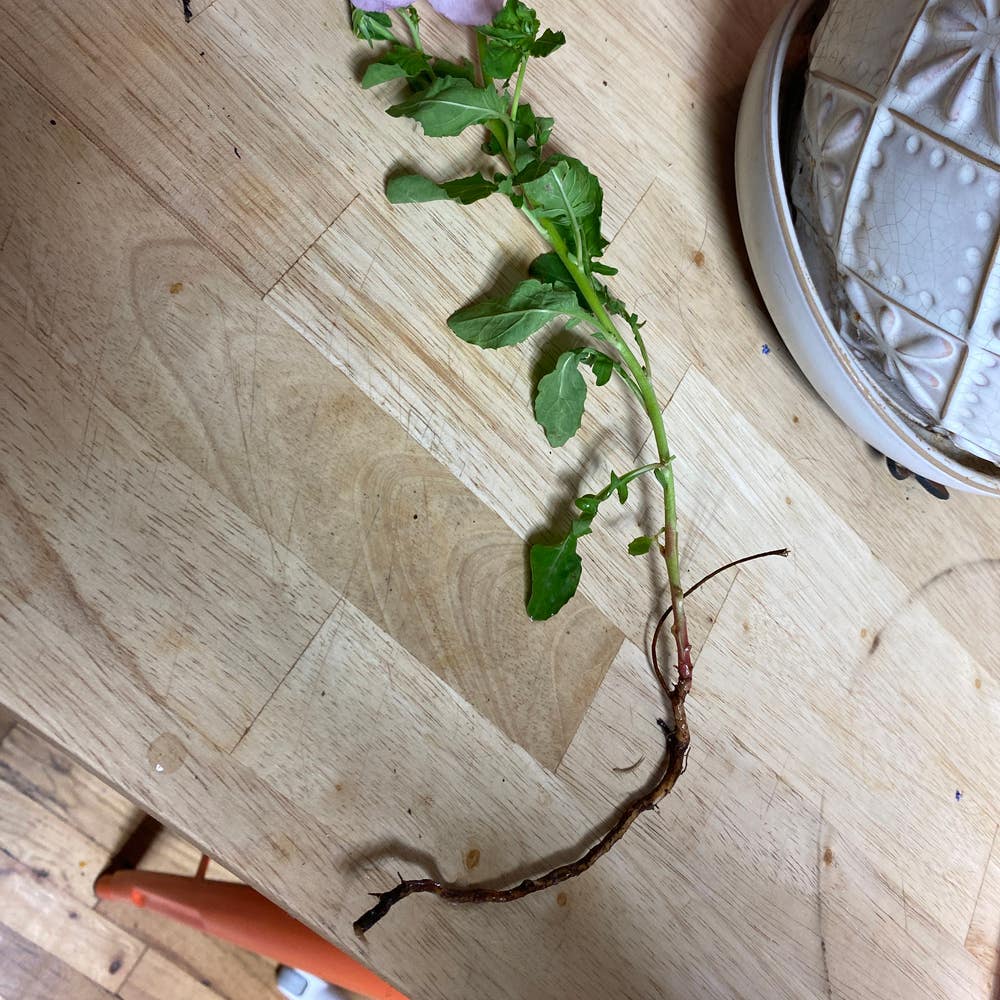
In the first year, Sundrop plants focus on robust vegetative growth. This phase is characterized by the development of a rosette of leaves, which plays a crucial role in photosynthesis.
During this time, the roots establish themselves deeply in the soil, allowing the plant to accumulate essential nutrients. This foundational growth sets the stage for a successful transition into the next phase.
🌼 Year Two Growth Patterns
As the second year begins, Sundrop shifts gears into its reproductive phase. This is when the plant flowers and produces seeds, showcasing its vibrant blooms.
Interestingly, Sundrop flowers are night-blooming, adding a unique charm to evening gardens. Their lifespan is brief, but they leave a lasting impression.
📜 Key Characteristics of Sundrop as a Biennial
Sundrop has a lifespan of two years, distinguishing it from perennials that live for multiple years. Its growth cycles are clear: vegetative growth in the first year and flowering in the second.
This biennial nature also influences its reproductive strategies. Sundrop employs self-seeding and various seed dispersal methods to ensure its survival and spread.
Understanding these growth patterns and characteristics is essential for gardeners looking to cultivate Sundrop effectively. With this knowledge, you can appreciate the plant's unique lifecycle and plan accordingly for your garden.
Next, we will explore the common misconceptions surrounding Sundrop, helping you clarify its true nature.
Misconceptions About Sundrop
Common Myths and Clarifications 🌱
Sundrop is often mistakenly labeled as a perennial plant. This misconception can lead to confusion in gardening practices, as many assume it will thrive year after year without intervention.
Another common myth is that Sundrop behaves like an annual in all climates. While it may exhibit some annual-like traits in specific environments, its true nature is that of a biennial, requiring two years to complete its lifecycle.
Understanding Sundrop's biennial nature is crucial for effective gardening. In its first year, it focuses on vegetative growth, while the second year is dedicated to flowering and seed production. This knowledge can significantly influence planting strategies and expectations for bloom periods.
By clarifying these misconceptions, gardeners can better appreciate Sundrop's unique lifecycle and plan accordingly. Embracing its biennial characteristics allows for a more rewarding gardening experience, ensuring that this beautiful plant can shine in your garden.
Next, we’ll explore the unique aspects of Sundrop's lifecycle, diving deeper into its distinct growth stages and how various conditions can affect its perception.
Unique Aspects of Sundrop's Lifecycle
🌱 Distinct Growth Stages
Sundrop plants exhibit a fascinating two-year lifecycle. In the first year, they focus on robust leaf development and establishing a strong root system.
This vegetative growth is crucial for nutrient accumulation, setting the stage for the plant's future reproductive phase. By the second year, Sundrop transitions to flowering and seed production, showcasing its vibrant blooms.
🌤️ Situations Affecting Perception of Lifecycle
The perception of Sundrop's lifecycle can vary significantly based on environmental conditions. In mild climates, these plants often self-seed, leading to the establishment of new plants without much intervention.
Additionally, specific cultivation practices can alter how we view their lifecycle. For instance, gardeners who manage soil health effectively may witness a more pronounced flowering phase, enhancing the plant's overall appeal.
Understanding these unique aspects helps gardeners appreciate Sundrop's true nature and optimize their gardening strategies. This knowledge paves the way for a more rewarding gardening experience, ensuring that Sundrop thrives in your garden.
Gardening Strategies for Sundrop
🌼 Planning for Continuous Blooms
To enjoy a vibrant garden, timing is everything. Plant Sundrop alongside other biennials and perennials to create overlapping bloom periods, ensuring your garden remains colorful throughout the seasons.
Companion planting can enhance growth and attract beneficial pollinators. Pair Sundrop with plants that bloom at different times to maximize visual appeal and ecological benefits.
🔄 Managing Sundrop's Lifecycle
Encouraging self-seeding is a great way to maintain a thriving Sundrop population. Allow some flowers to go to seed, and you'll see new plants emerge in the following seasons.
Soil health plays a crucial role in Sundrop's success. Regularly test and amend your soil to ensure it’s rich in nutrients, promoting robust growth and vibrant blooms.
🌿 Incorporating Sundrop with Other Plants
Placement is key in garden design. Position Sundrop where it can catch sunlight while complementing the height and color of neighboring plants for a stunning visual impact.
Maximize pollinator attraction by grouping Sundrop with other flowering plants. This not only enhances the beauty of your garden but also supports local ecosystems, creating a lively and inviting space.
By implementing these strategies, you can create a flourishing garden that celebrates the unique lifecycle of Sundrop while providing a haven for pollinators and a feast for the eyes.
⚠️ Safety First
This content is for general information and may contain errors, omissions, or outdated details. It is not medical, veterinary advice, or an endorsement of therapeutic claims.
Always consult a qualified healthcare professional before using any plant as food, medicine, or supplement.
Never eat any plant (or feed one to pets) without confirming its identity with at least two trusted sources.
If you suspect poisoning, call Poison Control (800) 222-1222, the Pet Poison Helpline (800) 213-6680, or your local emergency service immediately.
Spotted an error? Please report it here.
Embrace Sundrop's biennial beauty 🌙 with Greg's tailored care tips, ensuring your garden bursts with vibrant blooms and a thriving ecosystem year after year!