🌻 Why Yellow Evening Primrose is Considered Invasive
Oenothera biennis
By the Greg Editorial Team
Oct 16, 2024•6 min read
This article was created with the help of AI so we can cover more plants for you. May contain errors. See one? Report it here.
Safeguard native ecosystems 🌱 by mastering the management of invasive yellow evening primrose before it invades your garden!
- 🌼 Yellow evening primrose is invasive, rapidly spreading and disrupting local ecosystems.
- 🌱 It competes aggressively with native plants, reducing biodiversity and altering habitats.
- ⚠️ Effective management includes early detection, manual removal, and monitoring for prevention.
Plant Classification
Definition of Weeds and Invasive Species 🌱
Weeds are often seen as the unwanted guests of the plant world, aggressively taking over cultivated areas. In contrast, invasive species are non-native plants that spread rapidly, wreaking havoc on local ecosystems.
Criteria for Classifying as Invasive 🚫
To be classified as invasive, a plant must exhibit rapid spread through prolific seed production and adaptability. Additionally, its competitive nature allows it to outcompete native flora for essential resources, leading to significant ecological impacts that alter habitats and reduce biodiversity.
Understanding these classifications is crucial for recognizing the challenges posed by species like yellow evening primrose. By identifying them early, we can take steps to manage their spread and protect our native ecosystems.
Identification
Key Identifying Features 🌼
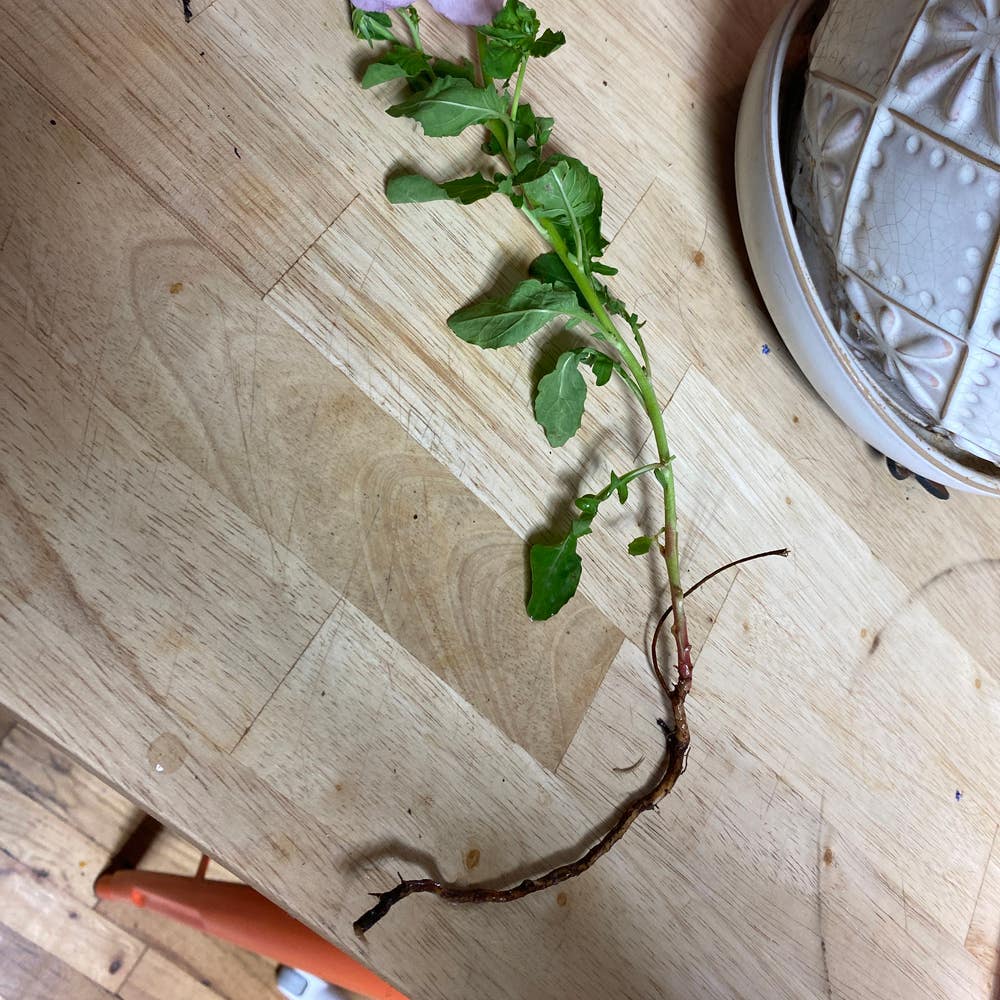
Yellow evening primrose is easily recognizable by its large, vibrant yellow flowers that bloom in the evening. The plant typically grows between 2 to 4 feet tall, making it a noticeable presence in any landscape.
The leaves are alternate and lanceolate, featuring a rough texture that adds to their distinctiveness. This combination of flower and leaf characteristics makes it relatively straightforward to identify.
Look-Alike Plants and Distinguishing Characteristics 👀
While yellow evening primrose has some common look-alikes, such as other evening primroses and various wildflowers, there are key differences to note.
For instance, flowering time can vary significantly, with yellow evening primrose blooming in the evening, while others may not. Additionally, the shape of the leaves and overall growth habit can help differentiate it from similar species.
Understanding these identifying features is crucial for recognizing yellow evening primrose in the wild and managing its spread effectively. As we delve deeper into its growth habits and ecological impact, you'll see why identification is just the first step in understanding this invasive species.
Growth Habits and Spread
Typical Growth Patterns 🌱
Yellow evening primrose has a distinctive growth habit. It forms dense clumps that can quickly take over an area, primarily spreading through self-seeding.
This plant experiences rapid growth during spring and summer, making it a formidable presence in gardens and natural landscapes alike.
Reproductive Strategies and Methods of Spread 🌼
One of the most concerning aspects of yellow evening primrose is its prolific seed production. A single plant can produce thousands of seeds, ensuring its survival and spread.
In addition to seeds, it can also reproduce vegetatively. Under certain conditions, it spreads through its root systems, further enhancing its invasive potential.
Adaptability to Various Environments 🌍
This plant thrives in a variety of environments, particularly in disturbed soils. You’ll often find it flourishing in open fields and along roadsides, where it can easily establish itself.
Its remarkable tolerance to drought and poor soil conditions makes yellow evening primrose even more challenging to control. This adaptability allows it to invade and dominate diverse habitats, outcompeting native flora.
As we delve deeper into the ecological impacts of this invasive species, it’s crucial to understand how its growth habits contribute to its dominance.
Ecological Impact
🌱 Effects on Native Plant Communities
Yellow evening primrose competes aggressively with native plants, significantly reducing their diversity. This competition can lead to a decline in native flora, disrupting the delicate balance of local ecosystems.
🌍 Disruption of Local Ecosystems
The presence of yellow evening primrose alters habitat structures and nutrient cycles. Its rapid growth can overshadow native plants, changing the landscape and affecting soil health.
🦋 Impact on Wildlife and Biodiversity
The invasive nature of yellow evening primrose also impacts wildlife. It changes food sources for pollinators and herbivores, which rely on native plants for sustenance.
🚫 Potential Displacement of Native Species
As yellow evening primrose spreads, it can displace native species that are crucial for maintaining biodiversity. This displacement can have cascading effects on the entire ecosystem, making it harder for native wildlife to thrive.
Understanding these ecological impacts is essential for effective management and control of yellow evening primrose. By recognizing its threats, we can take steps to protect our native ecosystems and the wildlife that depend on them.
Control and Management
🌱 Manual Removal Techniques and Best Practices
Removing yellow evening primrose manually is a practical approach.
- Timing: It's crucial to tackle this plant before it sets seed to prevent further spread.
- Tools: Equip yourself with gloves, shovels, and hand tools for effective removal.
- Disposal: Ensure proper disposal methods to avoid re-establishment in your garden or landscape.
⚗️ Chemical Control Options and Safety Considerations
Chemical control can be effective but requires careful handling.
- Herbicides: There are various effective herbicides available. Follow the application methods closely for best results.
- Safety Precautions: Always wear personal protective equipment and consider environmental impacts when using chemicals.
🦠 Biological Control Methods and Their Effectiveness
Exploring biological control methods can provide alternative solutions.
- Natural Predators: Some natural predators or diseases may help manage yellow evening primrose populations.
- Limitations: However, implementing these methods can be challenging and may not always yield immediate results.
🚫 Preventive Measures to Limit Spread
Preventing the spread of yellow evening primrose is essential for maintaining local ecosystems.
- Monitoring: Regular monitoring and early detection are key strategies.
- Best Practices: Implement best practices in garden and landscape management to minimize the risk of invasion.
By employing these control and management strategies, you can effectively combat the spread of yellow evening primrose. This proactive approach not only protects your garden but also supports local biodiversity. Next, let’s delve into the legal status surrounding invasive species management.
Legal Status
Overview of Laws and Regulations 🌍
Understanding the legal framework surrounding invasive species like yellow evening primrose is crucial. Both federal and state regulations aim to manage and control these plants to protect native ecosystems.
The U.S. government, along with various states, has established guidelines that dictate how invasive species should be handled. These regulations often include restrictions on sale, transport, and cultivation of invasive plants.
Requirements for Removal or Control 📝
Local ordinances play a significant role in managing invasive species. Many communities have programs that encourage residents to report sightings of yellow evening primrose and other invasives.
Landowners are typically required to comply with these regulations, which may include specific removal methods. Engaging with community programs can also help in understanding best practices for control and management.
By staying informed and proactive, we can contribute to the preservation of our native flora and fauna. This awareness not only fosters a healthier ecosystem but also empowers individuals to take action against invasive species.
Potential Benefits or Uses
🕰️ Historical Uses
Yellow evening primrose has a rich history in traditional herbal medicine. Various cultures have utilized its roots and leaves for their purported health benefits, including treating skin conditions and digestive issues.
🌼 Current Beneficial Uses, If Any
Today, its uses are limited but still present in landscaping and herbal remedies. Some gardeners appreciate its bright yellow flowers, while herbalists may still explore its medicinal properties.
⚖️ Emphasis on Negative Impacts Outweighing Benefits
Despite these historical and current uses, the negative ecological impacts of yellow evening primrose cannot be ignored. Its invasive nature poses significant threats to native ecosystems, making its benefits pale in comparison to the harm it causes.
As we consider the complexities of this plant, it's crucial to weigh its potential benefits against the pressing need for ecological balance. Understanding these dynamics can guide us in making informed decisions about managing invasive species.
⚠️ Safety First
This content is for general information and may contain errors, omissions, or outdated details. It is not medical, veterinary advice, or an endorsement of therapeutic claims.
Always consult a qualified healthcare professional before using any plant as food, medicine, or supplement.
Never eat any plant (or feed one to pets) without confirming its identity with at least two trusted sources.
If you suspect poisoning, call Poison Control (800) 222-1222, the Pet Poison Helpline (800) 213-6680, or your local emergency service immediately.
Spotted an error? Please report it here.
Combat the spread of invasive yellow evening primrose 🌼 by using Greg's personalized garden management tips to protect your local ecosystem and promote biodiversity!