☀️ Sundrop Care: Preventing and Treating Root Rot
Oenothera biennis
By the Greg Editorial Team
Oct 25, 2024•5 min read
This article was created with the help of AI so we can cover more plants for you. May contain errors. See one? Report it here.
Revive your Sundrop plant and prevent root rot with these essential tips for thriving greenery! 🌱
- 🌱 Yellowing leaves and wilting signal early root rot in Sundrop plants.
- 🕵️♂️ Inspect roots for blackened areas to diagnose root rot effectively.
- 💧 Prevent root rot by allowing soil to dry and using well-draining mixes.
Identifying Root Rot Symptoms
👀 Visual Signs
Yellowing leaves are often the first clue that something is off. This discoloration typically signals stress and nutrient deficiencies in your Sundrop plant.
Wilting, even when you've watered adequately, is another key indicator of root issues. If your plant looks droopy despite your best efforts, it’s time to investigate further.
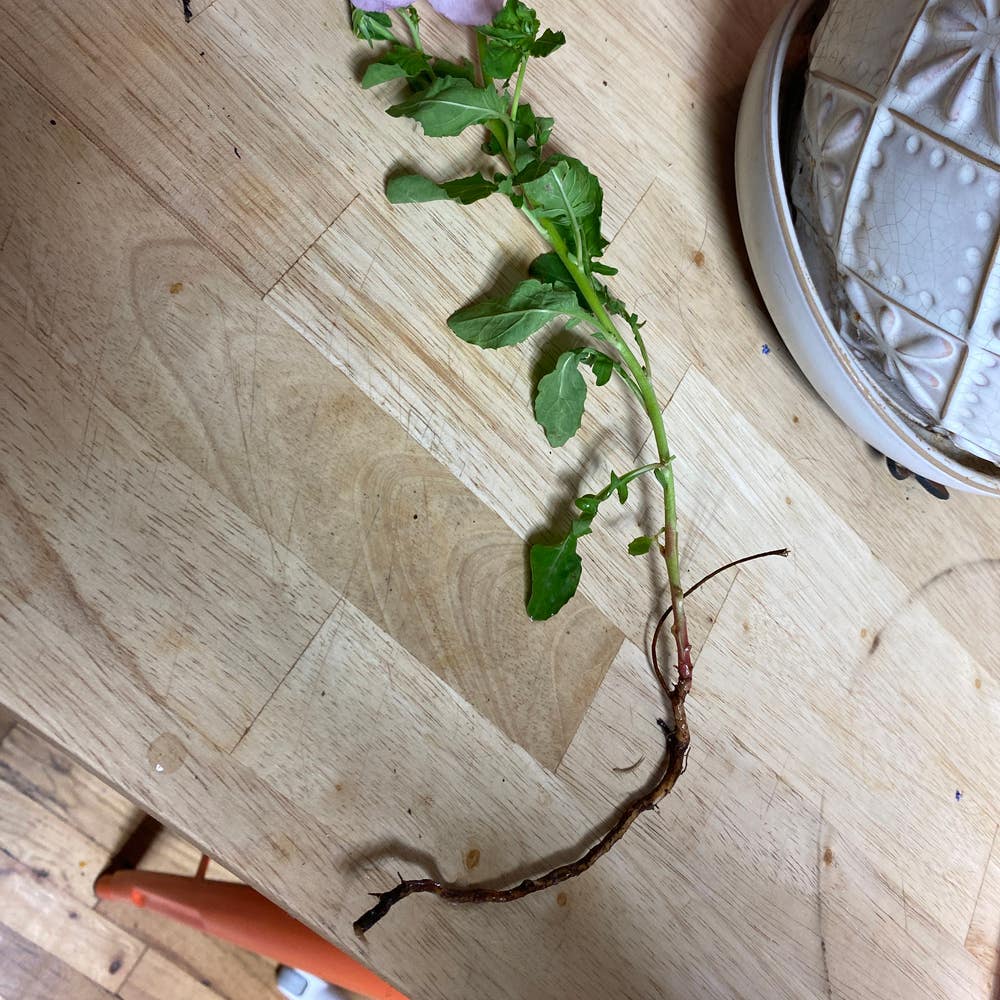
Blackened or mushy roots are clear signs of decay. When inspecting the root system, these characteristics indicate serious trouble.
📉 Changes in Plant Behavior
Stunted growth can be alarming. If your Sundrop lacks vigor and new growth, it may be struggling with root rot.
Leaf drop is another stress response to watch for. Premature shedding of leaves often indicates that the plant is in distress.
Flowering issues can also arise. Healthy Sundrop plants should bloom regularly, so reduced or absent flowers can signal underlying problems.
🔍 How to Check the Roots for Rot
Checking the roots for rot is straightforward.
- Gently remove the plant from its pot.
- Inspect the root system for color and texture.
- Look for soft, black, or foul-smelling roots, which are clear signs of rot.
By being vigilant and recognizing these symptoms early, you can take action to save your Sundrop plant. Next, let’s explore how to prevent root rot from occurring in the first place.
Preventing Root Rot
Preventing root rot is crucial for keeping your Sundrop plants thriving. With a few simple practices, you can significantly reduce the risk of this common issue.
💧 Best Watering Practices
Watering Frequency
Allow the top inch of soil to dry out between waterings. This simple step helps prevent over-saturation, which is a primary cause of root rot.
Techniques
Water at the base of the plant to avoid wetting the foliage. This method not only keeps the leaves dry but also directs moisture where it’s needed most—at the roots.
🌱 Importance of Soil Drainage
Choosing the Best Soil
Opt for well-draining potting mixes or sandy loam. These types of soil allow excess water to escape, reducing the chances of root decay.
Amending Soil
Consider adding perlite or sand to your soil mix. These amendments enhance drainage and aeration, creating a healthier environment for your plant's roots.
🪴 Choosing the Right Pot
Pot Material
Select terracotta or ceramic pots for their breathability. These materials help regulate moisture levels, preventing water from pooling at the bottom.
Drainage Holes
Ensure your pots have adequate drainage holes. This feature is essential for allowing excess water to escape, which is vital for preventing root rot.
By implementing these preventive measures, you can create a thriving environment for your Sundrop plants. Next, let’s explore how to treat root rot if it does occur.
Treating Root Rot
Dealing with root rot can feel daunting, but with the right steps, you can save your Sundrop plant. Here’s a straightforward guide to help you through the process.
📝 Step-by-step guide
Remove the plant from its pot and inspect the roots. Gently take the plant out, being careful not to damage the remaining healthy roots.
Trim away any affected roots using sterilized scissors. Look for soft, black, or foul-smelling roots and cut them off cleanly.
Allow the remaining roots to dry for a few hours. This helps prevent further rot and prepares them for repotting.
Repot in fresh, well-draining soil. Choose a potting mix designed for drainage to give your plant the best chance of recovery.
Water lightly to avoid re-saturating the soil. A small amount of water will help settle the soil without drowning the roots.
🌱 How to repot a Sundrop with root rot
Timing is crucial when repotting.
Best done during the growing season for optimal recovery. This is when your plant is most likely to bounce back.
Choosing a pot that is 1-2 inches larger than the previous one. This gives the roots room to grow without overwhelming them.
🧪 Recommended treatments and fungicides
After repotting, consider additional treatments to support recovery.
Organic options like neem oil or cinnamon as natural fungicides. These can help prevent further fungal issues without harsh chemicals.
Chemical treatments for severe cases. If the rot is extensive, select appropriate fungicides to tackle the problem effectively.
By following these steps, you can give your Sundrop plant a fighting chance against root rot. Next, let’s explore how to revive your plant and ensure it thrives after treatment.
Reviving a Sundrop Plant
Signs of Recovery 🌱
After treatment, look for new growth as a positive sign. Fresh leaves or stems indicate that your Sundrop is bouncing back.
Another encouraging sign is improved leaf color. If the leaves start returning to a vibrant green, your plant is on the mend.
Ongoing Care After Treatment 💧
Adjusting your watering schedule is crucial. Keep a close eye on moisture levels to prevent overwatering, which can lead to further issues.
Consider light fertilization with a balanced fertilizer. This will provide the nutrients your recovering plant needs to thrive.
Monitoring Plant Health Post-Treatment 🔍
Regular inspections are essential. Check for any signs of stress or further rot to catch problems early.
Don’t forget to adjust environmental conditions. Ensure your Sundrop has optimal light and humidity levels to support its recovery journey.
With these steps, your Sundrop can thrive again, bringing joy and beauty back to your space. Next, let’s explore how to prevent root rot in the first place.
⚠️ Safety First
This content is for general information and may contain errors, omissions, or outdated details. It is not medical, veterinary advice, or an endorsement of therapeutic claims.
Always consult a qualified healthcare professional before using any plant as food, medicine, or supplement.
Never eat any plant (or feed one to pets) without confirming its identity with at least two trusted sources.
If you suspect poisoning, call Poison Control (800) 222-1222, the Pet Poison Helpline (800) 213-6680, or your local emergency service immediately.
Spotted an error? Please report it here.
Keep your Sundrop thriving 🌿 by using Greg's tailored watering reminders and expert tips to prevent root rot and ensure a healthy recovery!