Best Tips for Healthy Yellow Evening Primrose Roots 🥕
Oenothera biennis
By the Greg Editorial Team
Oct 16, 2024•7 min read
This article was created with the help of AI so we can cover more plants for you. May contain errors. See one? Report it here.
Discover how the Yellow Evening Primrose's taproot system ensures vibrant growth and resilience! 🌼🌱
- 🌱 Yellow Evening Primrose thrives with a deep taproot, reaching 12-24 inches for moisture.
- 💧 Prevent root rot by ensuring well-drained soil and allowing drying between waterings.
- 🌼 Healthy roots are vital for propagation; monitor for firmness and color to ensure vitality.
Root System Characteristics
Description of Taproot System 🌱
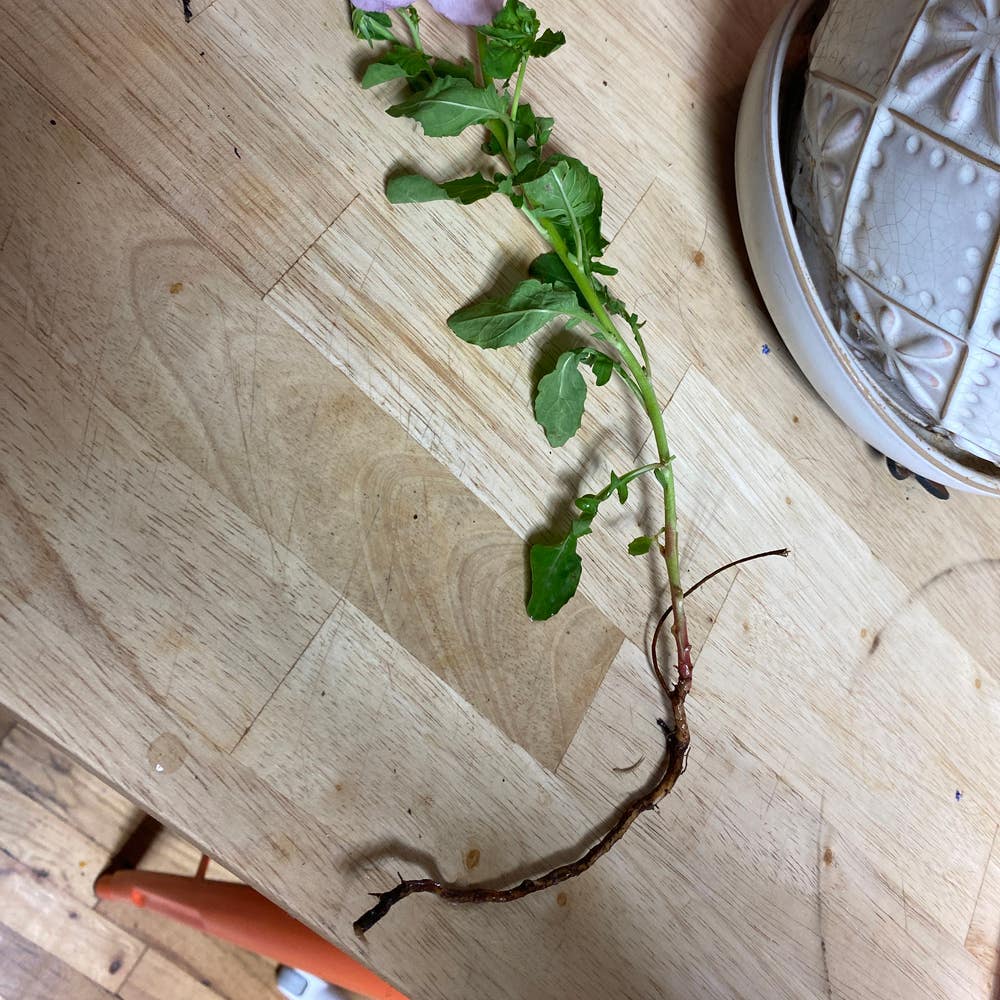
A taproot system is characterized by a single, dominant root that grows deeper into the soil, providing stability and access to nutrients. This structure is particularly advantageous for plants like the Yellow Evening Primrose, as it allows them to thrive in various soil conditions.
The Yellow Evening Primrose features a prominent taproot that can penetrate deep into the ground. This deep anchoring not only stabilizes the plant but also enables it to access moisture from deeper soil layers, making it resilient in drier conditions.
Understanding these characteristics can help you appreciate the unique adaptations of this plant and how to care for it effectively.
Specific Characteristics of Yellow Evening Primrose's Taproot 🌼
The taproot of the Yellow Evening Primrose is robust and well-developed. Its ability to reach deeper soil layers is crucial for survival during periods of low rainfall.
Additionally, this deep root system supports the plant's overall health and growth. By tapping into moisture reserves, the Yellow Evening Primrose can maintain its vibrant blooms even in challenging environments.
Recognizing these traits will guide you in providing the right care for this beautiful plant.
With a solid understanding of the taproot system, let's explore the typical root depth and spread of the Yellow Evening Primrose.
Root Depth and Spread
Typical Root Depth and Spread 🌱
The Yellow Evening Primrose boasts an impressive root system, with an average root depth ranging from 12 to 24 inches (30 to 60 cm). Its roots can spread up to 3 feet (90 cm) in diameter, allowing the plant to access vital nutrients and moisture.
Growth Patterns and Implications for Care 🌿
This plant exhibits deep anchoring alongside a lateral spread, which is crucial for stability. When planting, consider the space required for these roots to thrive, as well as the soil conditions.
Importance of Well-Drained Soils 💧
Well-drained soils are essential for optimal root development. They prevent waterlogging, which can lead to root rot and other issues, ensuring that your Yellow Evening Primrose remains healthy and vibrant.
Understanding these root characteristics will help you provide the best care for your plant, setting the stage for its growth and resilience. Next, we’ll explore how the root system influences watering and fertilizing needs.
Watering and Fertilizing
🌱 How Root System Affects Watering Needs
The root system of Yellow Evening Primrose plays a crucial role in determining its watering needs. With a deep taproot, this plant can access moisture from deeper soil layers, making deep watering techniques essential for encouraging robust growth.
Watering should occur every 1-2 weeks, depending on the moisture level of the soil. This frequency helps ensure that the taproot develops properly while preventing overwatering, which can lead to root issues.
🌿 Fertilization Strategies Based on Root Health
When it comes to fertilization, balanced NPK fertilizers are highly recommended. Applying these fertilizers in early spring and mid-summer supports healthy root development and overall plant vigor.
Monitoring root health is vital for adjusting fertilization strategies. If you notice signs of stress or poor growth, it may be time to reassess your fertilization routine to better meet the plant's needs.
In summary, understanding the watering and fertilizing requirements of Yellow Evening Primrose is key to maintaining its health. With the right techniques, you can ensure that your plants thrive and flourish.
Next, we’ll explore common root issues that can affect this beautiful plant.
Common Root Issues
🕵️♂️ Identifying Root Rot and Other Diseases
Root rot can be a sneaky foe for Yellow Evening Primrose. Look out for symptoms like wilting, yellowing leaves, and mushy roots, which indicate trouble below the surface.
Other diseases can also affect these plants, leading to stunted growth and poor health. Keeping an eye on your plants can help catch these issues early.
🛠️ Preventative Measures and Solutions
To prevent root rot, adopt best watering practices. Allow the soil to dry out between watering sessions to keep roots healthy and happy.
Using well-draining soil mixes is crucial for optimal root health. If you do encounter affected roots, don’t panic—simply remove the damaged sections and repot the plant in fresh soil to give it a fighting chance.
By staying vigilant and proactive, you can ensure your Yellow Evening Primrose thrives. Next, let’s explore how to identify root health indicators for a more robust plant care routine.
Root Health Indicators
Visual Cues of Healthy vs. Unhealthy Roots 🌱
Healthy roots are a gardener's dream. They should be firm, with a white or light tan color, and free from any foul odor.
In contrast, unhealthy roots tell a different story. Look for dark, mushy roots that emit unpleasant smells—these are clear signs of trouble.
Other Indicators of Root Health 🌿
Beyond root appearance, plant vigor is a crucial indicator of overall health. A robust growth rate and vibrant leaf color often signal that the roots are thriving.
Soil moisture levels also play a vital role. Regularly monitoring moisture can help you catch potential root issues before they escalate.
Rootbound Plants
Definition and Signs of Rootbound Conditions 🌱
A plant is considered "rootbound" when its roots have filled the container and start to grow in circles around the edges. This condition can severely impact plant health, leading to stunted growth and wilting, even if you’re watering adequately.
Look for specific signs of rootbound conditions:
- Roots growing out of drainage holes.
- Stunted growth and wilting despite regular watering.
Solutions for Managing Rootbound Plants 🛠️
To alleviate rootbound conditions, consider these effective techniques:
- Repotting into a Larger Container: This provides more space for roots to expand and access nutrients.
- Pruning Roots: Trim back the roots to encourage new growth and prevent circling.
Timing is crucial for intervention. Monitor your plants regularly and act as soon as you notice signs of being rootbound. Early action can make a significant difference in your plant's overall health.
By addressing rootbound conditions promptly, you can ensure your Yellow Evening Primrose thrives and continues to flourish. Next, let’s explore the importance of root health in propagation and division.
Propagation and Division
🌱 Importance of Root Health in Propagation
Healthy roots are crucial for successful propagation and division of Yellow Evening Primrose. Strong roots ensure that new plants can establish themselves quickly and thrive in their new environment.
Timing is also key; the best periods for propagation are early spring or fall. This allows the plant to recover and grow during optimal conditions.
✂️ Techniques for Dividing Yellow Evening Primrose
Dividing Yellow Evening Primrose is a straightforward process. Follow these steps for effective division:
- Water the Plant: Thoroughly water the plant a day before division to make the process easier.
- Remove the Plant: Carefully take the plant out of its pot, being gentle with the roots.
- Divide the Root Ball: Use a clean, sharp knife to cut the root ball into sections.
- Check Each Section: Ensure each section has healthy roots and at least one shoot for successful growth.
- Replant Immediately: Place the divided sections in well-draining soil right away to minimize stress.
🌼 Importance of Aftercare
After dividing, proper aftercare is essential. Water the newly planted sections and monitor them for signs of stress. This attention will help them settle in and flourish in their new homes.
With these techniques, you can successfully propagate and enjoy the beauty of Yellow Evening Primrose in multiple locations. Next, we’ll explore how to identify and manage rootbound plants to ensure your plants remain healthy and vibrant.
⚠️ Safety First
This content is for general information and may contain errors, omissions, or outdated details. It is not medical, veterinary advice, or an endorsement of therapeutic claims.
Always consult a qualified healthcare professional before using any plant as food, medicine, or supplement.
Never eat any plant (or feed one to pets) without confirming its identity with at least two trusted sources.
If you suspect poisoning, call Poison Control (800) 222-1222, the Pet Poison Helpline (800) 213-6680, or your local emergency service immediately.
Spotted an error? Please report it here.
Nurture your Yellow Evening Primrose roots to thrive beautifully 🌼 by using Greg's tailored reminders for deep watering and optimal care practices!