🌼 How to Fix Root Rot in Your Yellow Evening Primrose
Oenothera biennis
By the Greg Editorial Team
Oct 16, 2024•4 min read
This article was created with the help of AI so we can cover more plants for you. May contain errors. See one? Report it here.
Transform your yellow evening primrose's fate from root rot to recovery with these vital diagnosis and treatment strategies! 🌿
- 🌱 Identify root rot early by checking for discoloration and mushy roots.
- 💧 Check soil moisture before watering to prevent over-saturation and root rot.
- 🧼 Disinfect pots and use fresh soil to eliminate pathogens and support recovery.
Diagnosing Root Rot
👀 Visual Signs to Look For
Identifying root rot starts with observing your yellow evening primrose. Look for leaf discoloration, such as yellowing or browning edges, which can indicate stress.
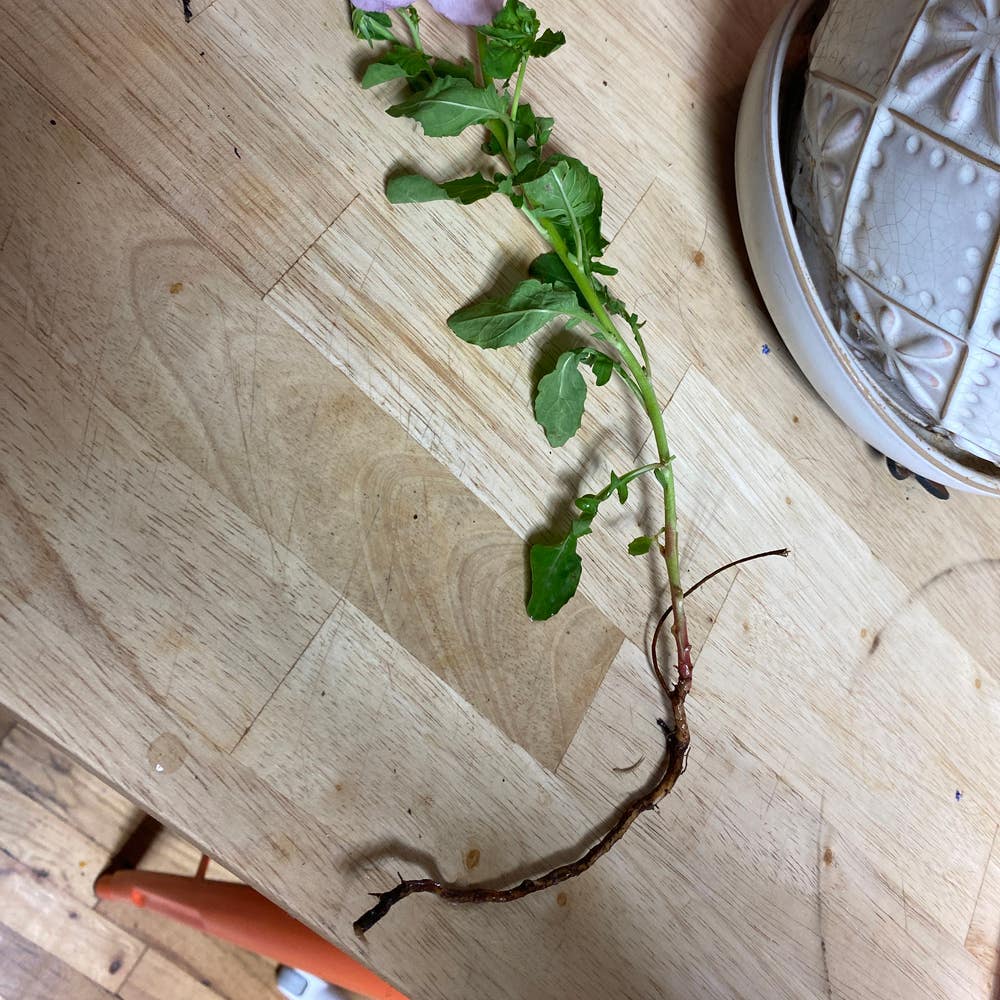
Another sign is stunted growth; if your plant has smaller than usual leaves and stems, it may be struggling. Finally, check the root appearance; dark, mushy roots are a clear indicator of root rot.
💧 Soil Testing for Moisture Levels
Next, assess the soil moisture levels to determine if overwatering is the culprit. The finger test is simple: insert your finger into the soil up to 2 inches to check for moisture.
For more accuracy, consider using a soil moisture meter. Remember to test the soil moisture before watering to avoid exacerbating the problem.
🔍 Root Examination Techniques
Once you've identified potential issues, it's time for a closer look at the roots. Start by carefully removing the plant from its pot; this minimizes root damage.
Inspect the roots visually for any color and texture changes. If you find any dead or rotting roots, use clean scissors to trim them away, ensuring a healthier plant moving forward.
By diagnosing root rot effectively, you set the stage for successful treatment and recovery. Next, we’ll explore how to treat root rot and bring your evening primrose back to life.
Treating Root Rot
Step-by-Step Treatment Process 🌱
- Remove the plant from the pot: Gently shake off excess soil to expose the roots.
- Inspect and trim roots: Cut away all affected roots, focusing on dark or mushy areas.
- Clean the pot: Use a diluted bleach solution to disinfect the container thoroughly.
- Repot with fresh soil: Choose a well-draining soil mix to promote healthy root growth.
Recommended Fungicides or Treatments 🧪
- Organic options: Consider using neem oil or cinnamon powder as natural fungicides.
- Chemical fungicides: Look for specific products designed to target root rot pathogens.
- Application methods: Apply treatments by drenching the soil or spraying affected areas directly.
Repotting Techniques for Affected Plants 🪴
- Choose the right pot size: Ensure the pot provides adequate space for healthy roots to grow.
- Ensure proper drainage: Select pots with sufficient drainage holes to prevent water accumulation.
- Fill with appropriate soil: Opt for a well-draining potting mix to support recovery.
By following these steps, you can effectively treat root rot and give your yellow evening primrose a fighting chance. Next, let’s explore how to prevent root rot from occurring in the first place.
Preventing Root Rot
🌱 Best Soil Types for Drainage
Choosing the right soil mix is crucial for preventing root rot in your yellow evening primrose. Opt for a cactus mix or a blend of peat and perlite to ensure excellent drainage.
Soil pH is another factor to consider. Aim for a slightly acidic to neutral pH range of 6.0 to 7.0 for optimal plant health.
🚰 Watering Practices to Avoid Overwatering
Watering frequency plays a significant role in root health. Allow the top 2 inches of soil to dry out between waterings to prevent sogginess.
Look for signs of adequate watering; the soil should feel moist but not waterlogged. Adjust your watering routine seasonally, reducing frequency during cooler months.
🪴 Importance of Pot Size and Drainage Holes
Selecting the right pot size is essential. Avoid oversized pots, as they can retain excess moisture, leading to root rot.
Ensure your pots have adequate drainage holes. This is vital for preventing water accumulation, which can suffocate roots.
Consider elevating your pots using pot feet. This simple step improves airflow and drainage, further protecting your plants from root rot.
By implementing these preventive measures, you can create a thriving environment for your yellow evening primrose. Next, let’s explore how to monitor recovery signs after treatment.
Post-Treatment Care
Monitoring Recovery Signs 🌱
After treating root rot, keep an eye out for new growth. Fresh leaves and stems are great indicators that your yellow evening primrose is bouncing back.
Check the roots during subsequent inspections. Firm, white roots signal health, while any lingering mushiness could mean trouble.
Adjusting Care Routine After Treatment 💧
Reintroduce water gradually. Start by slowly increasing the frequency to avoid overwhelming your recovering plant.
Ensure your evening primrose gets adequate sunlight. Just be cautious of direct harsh rays that could stress it further.
Maintain environmental stability. Consistent temperature and humidity levels will help your plant thrive as it recovers.
Fertilization Tips for Recovery 🌼
Timing is crucial for fertilization. Wait at least 4-6 weeks post-treatment to give your plant time to stabilize.
Opt for a balanced, water-soluble fertilizer. This will provide the nutrients your plant needs without risking shock.
When applying, dilute the fertilizer to half-strength. This gentle approach helps your plant absorb nutrients without overwhelming it.
As you nurture your evening primrose back to health, remember that patience is key. With the right care, your plant will flourish once again.
⚠️ Safety First
This content is for general information and may contain errors, omissions, or outdated details. It is not medical, veterinary advice, or an endorsement of therapeutic claims.
Always consult a qualified healthcare professional before using any plant as food, medicine, or supplement.
Never eat any plant (or feed one to pets) without confirming its identity with at least two trusted sources.
If you suspect poisoning, call Poison Control (800) 222-1222, the Pet Poison Helpline (800) 213-6680, or your local emergency service immediately.
Spotted an error? Please report it here.
Revive your yellow evening primrose from root rot with patience and care 🌱, and let Greg guide you with tailored watering reminders and soil moisture checks for a flourishing plant!