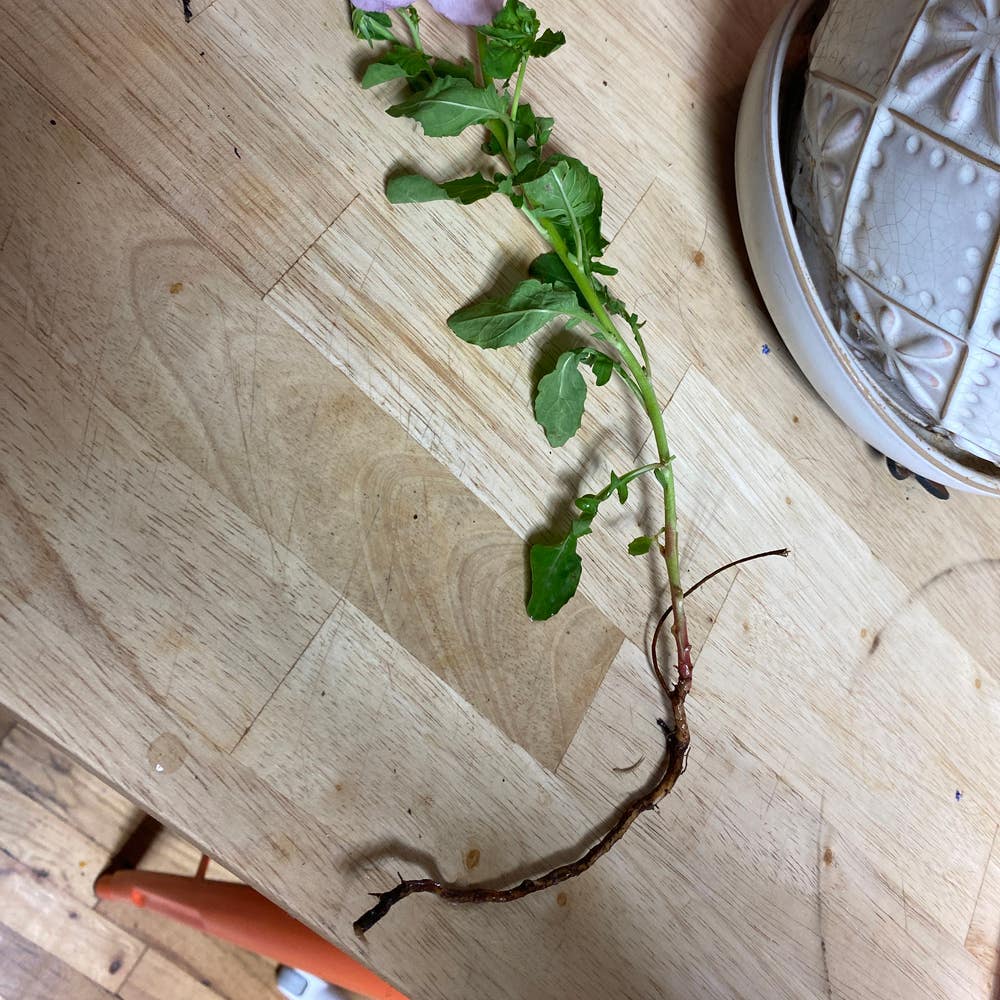
How Often Do I Need to Water My Common Evening-Primrose?
Oenothera biennis
By the Greg Editorial Team
Jun 19, 2024•3 min read
This article was created with the help of AI so we can cover more plants for you. May contain errors. See one? Report it here.
Ensure your evening-primrose flourishes 🌼 by mastering its watering needs—no more guesswork or soggy soil!
- Check soil moisture: Water when top inch is dry.
- Seasonal watering: More in summer, less in winter.
- Morning watering at base: Reduces evaporation, focuses on roots.
When to Water Your Evening-Primrose
💧 Assessing Soil Moisture
Check the soil before you water—no guesswork needed. If the top inch feels dry, it's time to give your evening-primrose a drink. A moisture meter can be your tech-savvy buddy here, or go old-school with the finger test.
🌱 Understanding Plant Growth Stages
Your evening-primrose's thirst level changes as it grows. Young plants need consistent moisture to establish roots, but once they're settled, they can handle a bit of drought. Keep the soil moist, not soggy, to avoid a root rot horror story.
🍂 Seasonal Adjustments
As the seasons turn, so should your watering habits. Spring calls for regular watering to support growth. In the summer, your evening-primrose might need extra sips during heat waves. Come autumn, ease up as growth slows. And in winter, let the rain do its thing, unless you're in a dry spell—then it's your turn to step in.

Spotting the Signs: Overwatering vs. Underwatering
💧 Symptoms of Too Much Water
Yellow leaves on your evening-primrose? Red flag. They should be a vibrant green, not the color of overripe bananas. If the leaves are more bloated than your belly after a big meal, that's a sure sign of too much water. Touch the soil; if it's soggier than a dish sponge, it's time to dial back the watering.
🏜️ What Underwatering Looks Like
Conversely, a thirsty evening-primrose is a sad sight. Leaves drooping like they've given up on life is a cry for hydration. If the soil is drier than a stand-up comedian's humor, your plant is parched. Crispy leaves are a telltale sign; they should be supple, not snap like a cracker.

Best Watering Practices for Evening-Primrose
💦 Morning Rituals
Watering your evening-primrose in the early morning is like hitting the jackpot for both you and your plant. It sets the stage for a day of hydration without the wasteful evaporation that comes with the afternoon sun. Plus, the plant gets to sip slowly throughout the day, which is exactly what it prefers.
💧 Watering at the Base
Aim low when you water – at the base, not the foliage. This isn't just about keeping the leaves dry to ward off fungal gate-crashers; it's about getting the water right where it counts: the roots. Overhead showers are out; a focused pour at the soil line is in. It's the difference between a precision strike and a scattershot approach – and your evening-primrose will thank you for it.
Adapting to Your Environment
🌡️ Dealing with Heat Waves and Dry Spells
During heat waves or dry spells, your evening-primrose's thirst ramps up. Increase watering to counteract the rapid soil drying, but don't go overboard – the goal is to quench, not drown. Check the soil's moisture level before watering; it should be dry an inch below the surface. If you're under water restrictions, prioritize longer, less frequent waterings to encourage deep root growth, which is more drought-resistant.
🌱 The Role of Mulching
Mulching is like giving your plants a protective hug. It keeps the soil cooler and moist longer, meaning you can cut back on watering. Lay down a 2- to 3-inch layer of organic mulch around your evening-primrose, steering clear of the stem to prevent rot. Not only does mulch conserve water, but it also fights off those water-stealing weeds. Remember, mulch is your ally in the quest for moisture retention, especially when the sun is relentless.
⚠️ Safety First
This content is for general information and may contain errors, omissions, or outdated details. It is not medical, veterinary advice, or an endorsement of therapeutic claims.
Always consult a qualified healthcare professional before using any plant as food, medicine, or supplement.
Never eat any plant (or feed one to pets) without confirming its identity with at least two trusted sources.
If you suspect poisoning, call Poison Control (800) 222-1222, the Pet Poison Helpline (800) 213-6680, or your local emergency service immediately.
Spotted an error? Please report it here.
Nurture your evening-primrose to perfection by using Greg's tailored reminders to water just right without turning your green thumb soggy or dry 🌼.