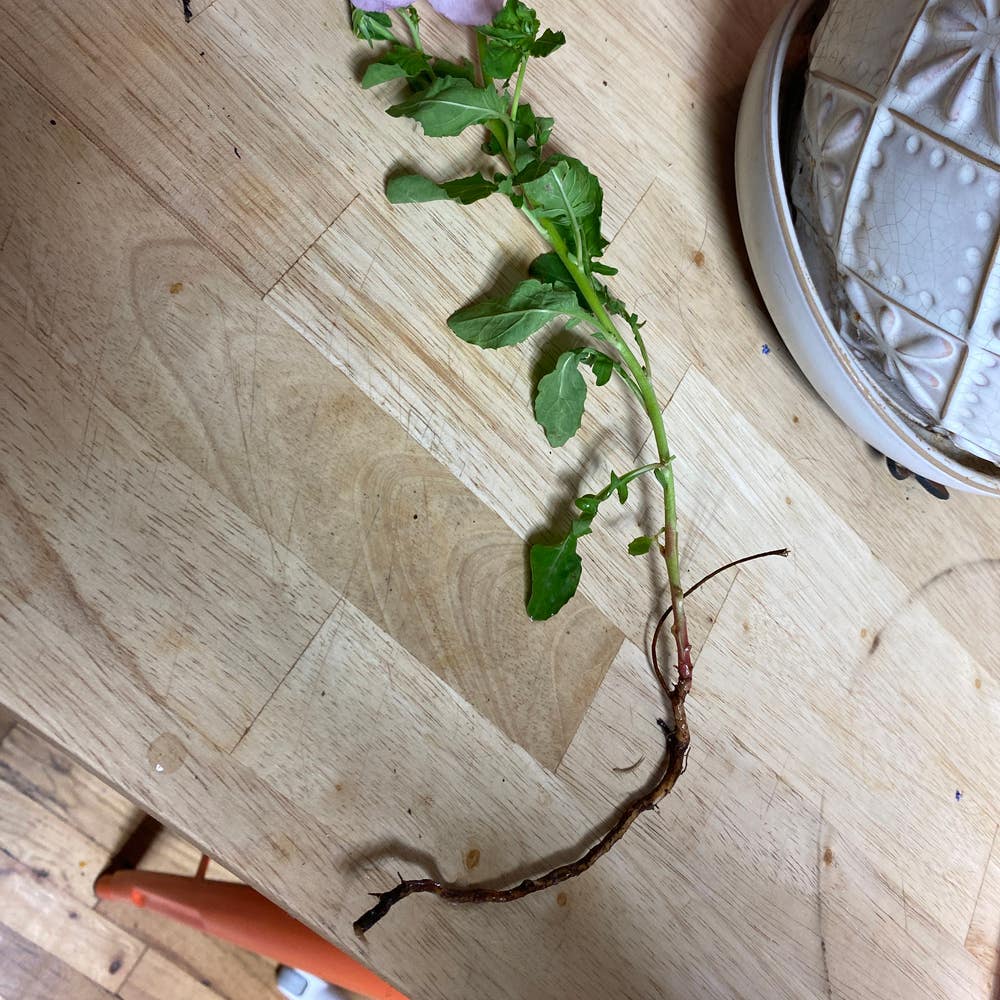
Soil Recommendations for Common Evening-Primrose
Oenothera biennis
By the Greg Editorial Team
Jun 19, 2024•4 min read
This article was created with the help of AI so we can cover more plants for you. May contain errors. See one? Report it here.
Nurture your Evening-Primrose to perfection 🌺 with this essential soil selection and care guide.
- Mold and poor drainage distress primroses; improve with aeration.
- Sand, loam, organic matter create the ideal homemade primrose potting mix.
- Regular soil maintenance with check-ups and refreshes keeps primroses thriving.
Spotting Trouble: When Your Primrose's Soil Goes Bad
🚫 Signs Your Soil Isn't Primrose-Perfect
Mold in your soil is a no-go. It's a sign of excess moisture and poor soil health. If you see a fuzzy growth or smell something off, your primrose is in distress. Yellow leaves or brown tips? That's your plant crying out for help. A soil that smells bad is often a soil that's bad for your plant.
Turning the Soil Ship Around
To tackle mold, think drainage and aeration. Mix in perlite or pumice to get that soil breathing again. If your primrose is drowning in waterlogged soil, it's time for a rescue mission. Cut back on watering and let the soil dry out. Consider repotting with a fresh mix that's like a VIP lounge for roots—peat moss, perlite, and vermiculite. Use a moisture meter to avoid overwatering tragedies. Keep the soil moist, but not wet, and watch your primrose perk up.

Crafting the Perfect Primrose Potting Mix
🌱 The Building Blocks of Primrose Paradise
Creating a potting mix for Common Evening-Primrose is akin to a culinary art—each ingredient serves a purpose. Sand offers excellent drainage, preventing root rot. Loam is the fertile middle-ground, providing nutrients and moisture retention. Organic matter is the lifeblood, enriching the soil with essential nutrients. Together, they form a harmonious blend that supports robust growth.
🌿 pH Matters: Getting It Just Right for Your Primrose
pH balance is crucial for the Common Evening-Primrose, with a slight preference for acidic to neutral soil. You can adjust the pH by incorporating materials like sphagnum peat moss or limestone. Regular testing ensures the soil remains within the optimal range, fostering a thriving environment for your Primrose.
Pre-Made Soils: Picking the Best Bag for Your Buck
🌱 What to Look for on the Label
When selecting a commercial soil mix for your Common Evening-Primrose, key features on the label are your roadmap to success.
Organic matter should top the list; it's the lifeblood of your Primrose's diet. Look for mentions of compost or worm castings, which act like a gourmet buffet for your plant's roots.
Drainage is non-negotiable. Perlite or pumice in the mix means your Primrose won't suffer from wet feet. A lighter bag usually indicates better aeration, a critical factor for delicate root systems.
pH balance is crucial. Aim for a mix that includes limestone to maintain a neutral to slightly acidic pH, matching the Evening-Primrose's natural preference of 5.5 to 7.0. If pH isn't mentioned, consider it a red flag.
Eco-conscious gardeners should eye brands like Nature's Care, but remember, organic doesn't always mean optimal. Your Primrose might need an extra sprinkle of care.
For a premium touch, look for mixes containing charcoal or biochar. They're like a detox for your plant's soil environment.
Lastly, don't be swayed by flashy packaging. It's what's inside that counts. A mix that's too rich or dense can be as problematic as one that's nutrient-deficient. Always check for added fertilizers to avoid root burn.
Keeping It Prime: Long-Term Soil Maintenance for Your Primrose
🌱 Regular Check-Ups
To ensure your Common Evening-Primrose continues to flourish, it's essential to perform regular soil check-ups.
Inspect the soil monthly for signs of compaction or poor drainage, which can be as detrimental to your plant's roots as a traffic jam is to your morning commute.
🌿 Refresh and Revitalize
Revitalizing your Primrose's soil is not just about nutrient replenishment; it's about giving the roots the equivalent of a spa day.
When the soil starts to look as overworked as an office printer, it's time to refresh or replace it. This isn't just a cosmetic fix—it's a vital step in preventing your Primrose from becoming the botanical equivalent of a couch potato.
Mulching can act like a cozy blanket for the roots, conserving moisture and warmth. Just remember to turn it occasionally to prevent mold and ensure even decomposition.
Consider topdressing with a nutrient-rich layer, like worm castings, to boost soil fertility. It's like a multivitamin for your plant's home.
Aerating the soil gently with a chopstick can prevent compaction, ensuring the roots can breathe easy.
Regularly test the soil's pH and nutrient levels. It's like a check-up for your plant; catching issues early can save a life.
Repotting isn't just for upsizing; it's a chance to refresh the soil and prevent your Primrose from slumping into a droopy mess.
Remember, proactive care beats reactive despair. Keep your soil game strong, and your Primrose will reward you with growth that's just as vigorous.
⚠️ Safety First
This content is for general information and may contain errors, omissions, or outdated details. It is not medical, veterinary advice, or an endorsement of therapeutic claims.
Always consult a qualified healthcare professional before using any plant as food, medicine, or supplement.
Never eat any plant (or feed one to pets) without confirming its identity with at least two trusted sources.
If you suspect poisoning, call Poison Control (800) 222-1222, the Pet Poison Helpline (800) 213-6680, or your local emergency service immediately.
Spotted an error? Please report it here.
Revitalize your evening-primrose's habitat with Greg's custom care plans 🌿, ensuring optimal soil health through tailored moisture and pH balance tips.