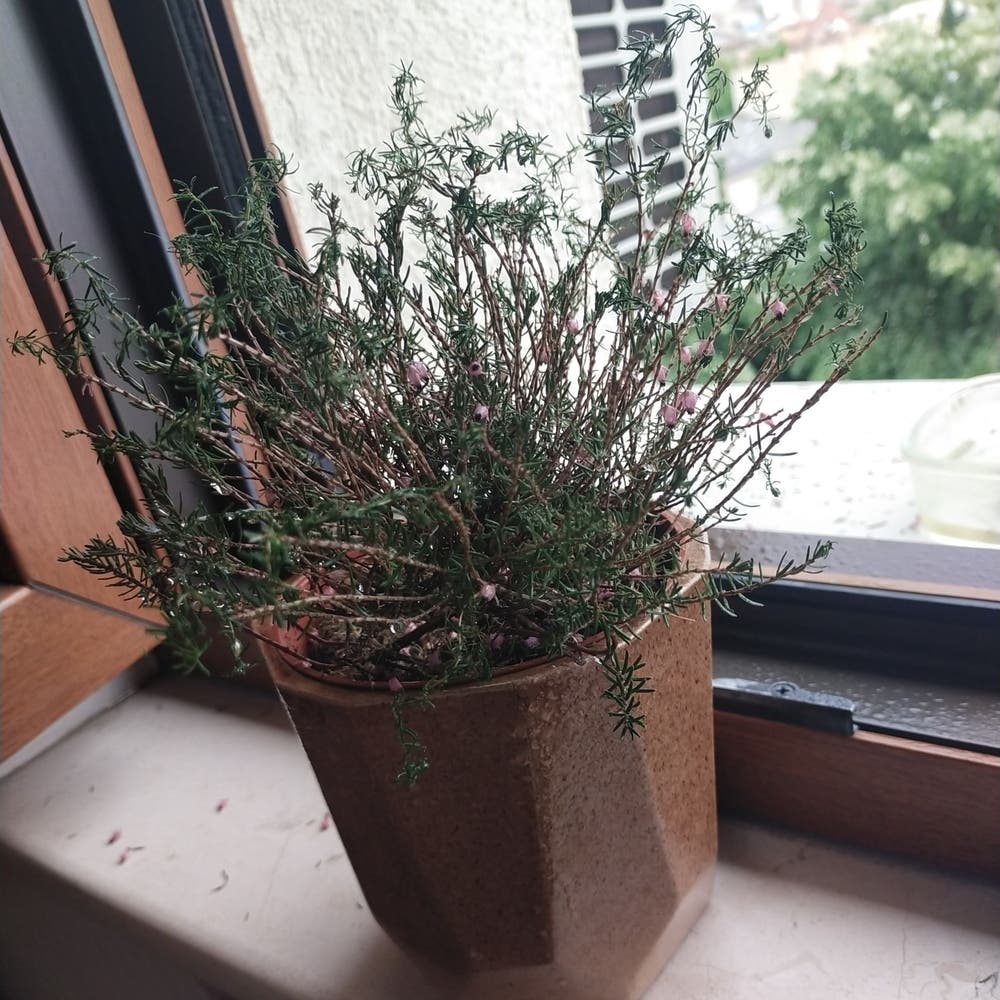
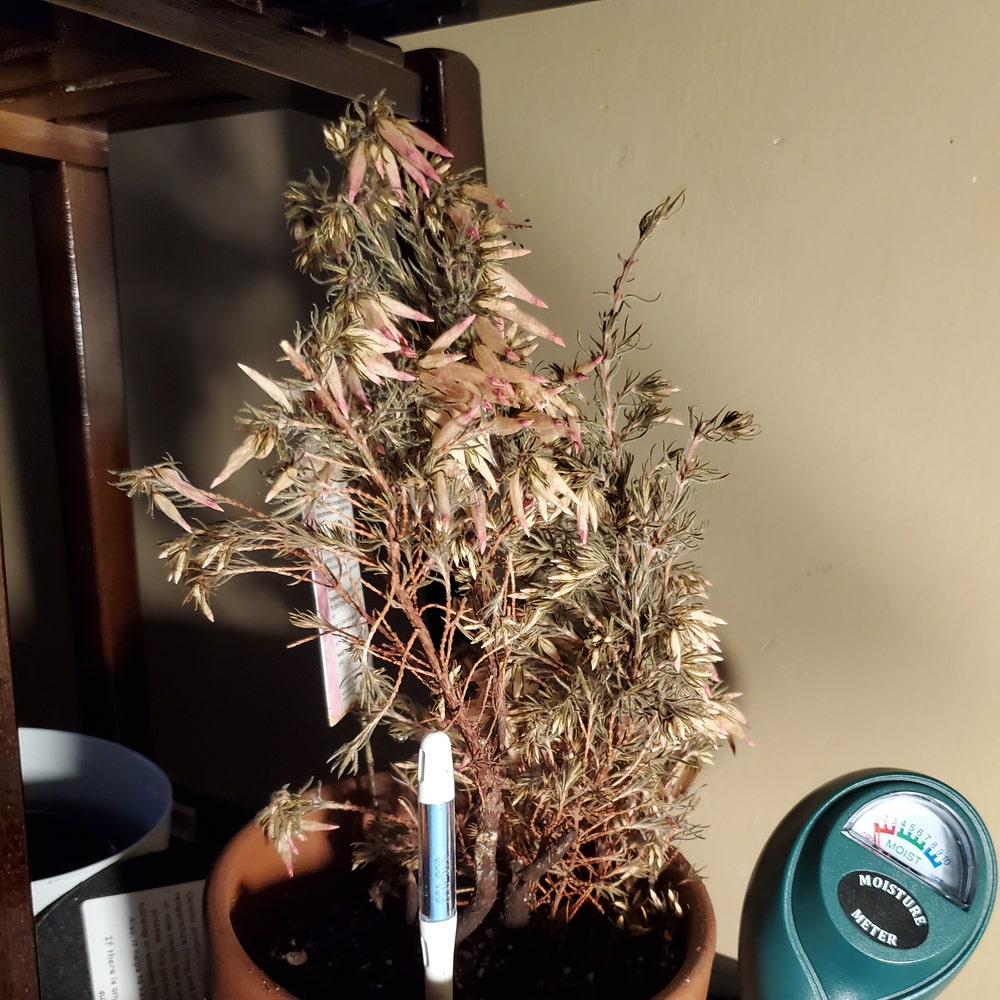
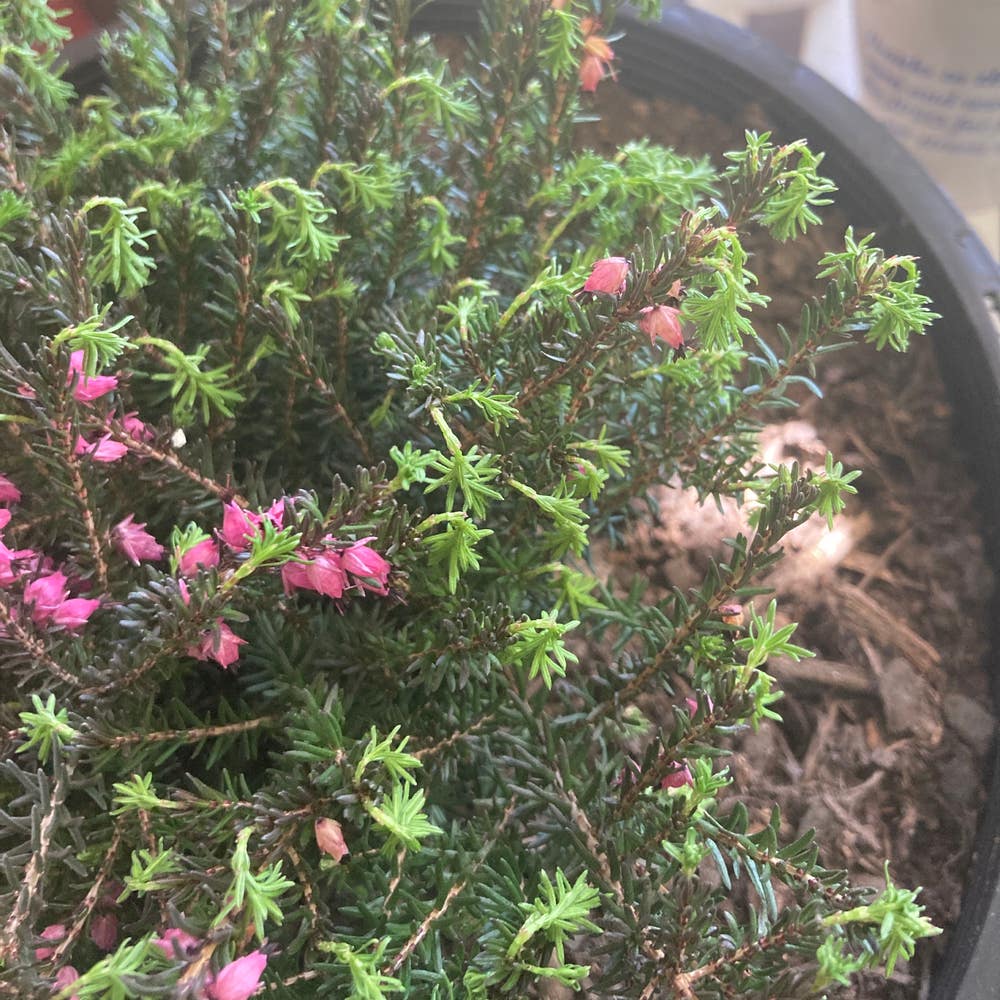
🍂 Why Are My Winter Heath 'Darley Dale' Leaves Turning Yellow?
Erica x darleyensis 'Darley Dale'
By the Greg Editorial Team
Apr 08, 2024•4 min read
This article was created with the help of AI so we can cover more plants for you. May contain errors. See one? Report it here.
- 💧 Balance watering and humidity to prevent yellowing and crispy leaves.
- 🌱 Soil pH and nutrients matter, aim for pH 5.0-6.0 and use balanced fertilizer.
- 🛡️ Protect from extreme weather with proper placement and environmental controls.
Pinpointing the Culprits Behind Yellow Leaves
💧 Watering Woes
Overwatering can turn your Winter Heath 'Darley Dale' leaves into a yellow mess. You'll notice the leaves wilting despite the soil feeling like a swamp. Conversely, underwatering leaves the soil bone-dry and the leaves crispy. It's a delicate dance, but the goal is consistent soil moisture. Water when the top inch of soil feels like a forgotten desert—dry to the touch. And remember, good drainage is non-negotiable; your plant's roots aren't fond of waterlogged conditions.
🌱 Soil pH: Getting It Just Right
Soil pH is like the plant's dietary plan—it needs to be just right for optimal health. If the leaves are yellowing, it could be a sign that the soil pH is off, blocking nutrient absorption. Grab a soil test kit to check the pH level. If it's not in the 5.0 to 6.0 sweet spot, it's time for some soil amendments. Adjusting pH is like tuning an instrument; it takes patience and precision.
🌿 Nutrient Know-How
Nutrient deficiencies can turn your plant's leaves as yellow as a school bus. Nitrogen shortage? Older leaves will yellow first. Iron deficiency? Look for yellow leaves with green veins. To combat this, choose a balanced fertilizer and follow the instructions as if they were sacred texts. Always water before feeding to avoid root burn. It's like giving your plant a well-balanced meal—too much or too little, and you'll see it in the leaves.
Turning Over a New Leaf: Solutions and Prevention
💧 Fine-Tuning Your Watering Technique
Watering your Winter Heath 'Darley Dale' is less about sticking to a calendar and more about adapting to its needs. Consistency is crucial, but so is flexibility. During growth periods, keep the soil moist but not soggy. In winter, let the top inch dry out before reaching for the watering can. Tools like moisture meters can be lifesavers, helping you avoid the guesswork.
🌱 Soil pH Solutions
The right soil pH can make or break your plant's health. It's like hitting the perfect note in a song. If a soil test reads like a bad report card, it's time for amendments. Mix in organic matter to nourish the soil, and use sulfur or lime to adjust the pH. Aim for a pH that makes your plant sing—usually between 5.0 and 6.0 for Winter Heath.
🌿 Nourishing Your Plant
Think of fertilizing as a seasoning—just enough can enhance, but too much can ruin the dish. Use a balanced fertilizer during the growing season, but don't get heavy-handed. If you overdo it, flush the soil with water to avoid nutrient burn. Watch for signs of greener leaves; it's like getting a thumbs up from your plant.
Protecting Your Plant from Environmental Stress
🛡️ Shielding from Extreme Elements
Adjusting plant placement is crucial for the Winter Heath 'Darley Dale' to thrive. Too much direct sunlight can cause leaf scorch, while insufficient light can lead to etiolation. Find a spot that offers bright, indirect light—think of it as the plant's sweet spot.
Temperature is another factor that can't be ignored. Winter Heath 'Darley Dale' prefers a stable climate, so avoid placing it near drafty windows or heat sources. Sudden temperature fluctuations are a no-go.
🛡️ Protective Measures During Harsh Weather
When the weather turns extreme, protection is key. During hot spells, use shade cloths to defend against intense sunlight. In windy conditions, a windbreak can shield delicate leaves from damage.
Winter poses its own threats with cold winds and frost. If your plant is outdoors, consider moving it to a sheltered location. Indoors, keep it away from drafty areas that could mimic the chill of winter.
Humidity levels can also stress your plant. Use a humidifier or a pebble tray to maintain consistent moisture in the air. This helps mimic the plant's natural environment and keeps it from drying out.
Airflow is the unsung hero of plant health. Good circulation prevents disease and mimics the gentle breezes of the plant's natural habitat. Just ensure it's not too strong to avoid desiccation.
Regularly monitor the environment. Small tweaks can make a big difference in your plant's happiness. It's all about creating a microclimate that keeps your Winter Heath 'Darley Dale' in its comfort zone.
⚠️ Safety First
This content is for general information and may contain errors, omissions, or outdated details. It is not medical, veterinary advice, or an endorsement of therapeutic claims.
Always consult a qualified healthcare professional before using any plant as food, medicine, or supplement.
Never eat any plant (or feed one to pets) without confirming its identity with at least two trusted sources.
If you suspect poisoning, call Poison Control (800) 222-1222, the Pet Poison Helpline (800) 213-6680, or your local emergency service immediately.
Spotted an error? Please report it here.
Ensure your Winter Heath 'Darley Dale' stays vibrantly green, not yellow, with Greg's customized watering and pH alerts 🌱, tailored to your plant's unique needs.