Why Are There Brown Spots on My Winter Heath 'Darley Dale'?
Erica x darleyensis 'Darley Dale'
By the Greg Editorial Team
Apr 08, 2024•4 min read
This article was created with the help of AI so we can cover more plants for you. May contain errors. See one? Report it here.
- Brown spots signal distress in Winter Heath 'Darley Dale', often serious.
- Fungi, bacteria, and stress are the main culprits for these spots.
- Prevent with pruning, circulation, and careful watering practices.
Spotting the Trouble: Identifying Brown Spots
🕵️♂️ Visual Clues
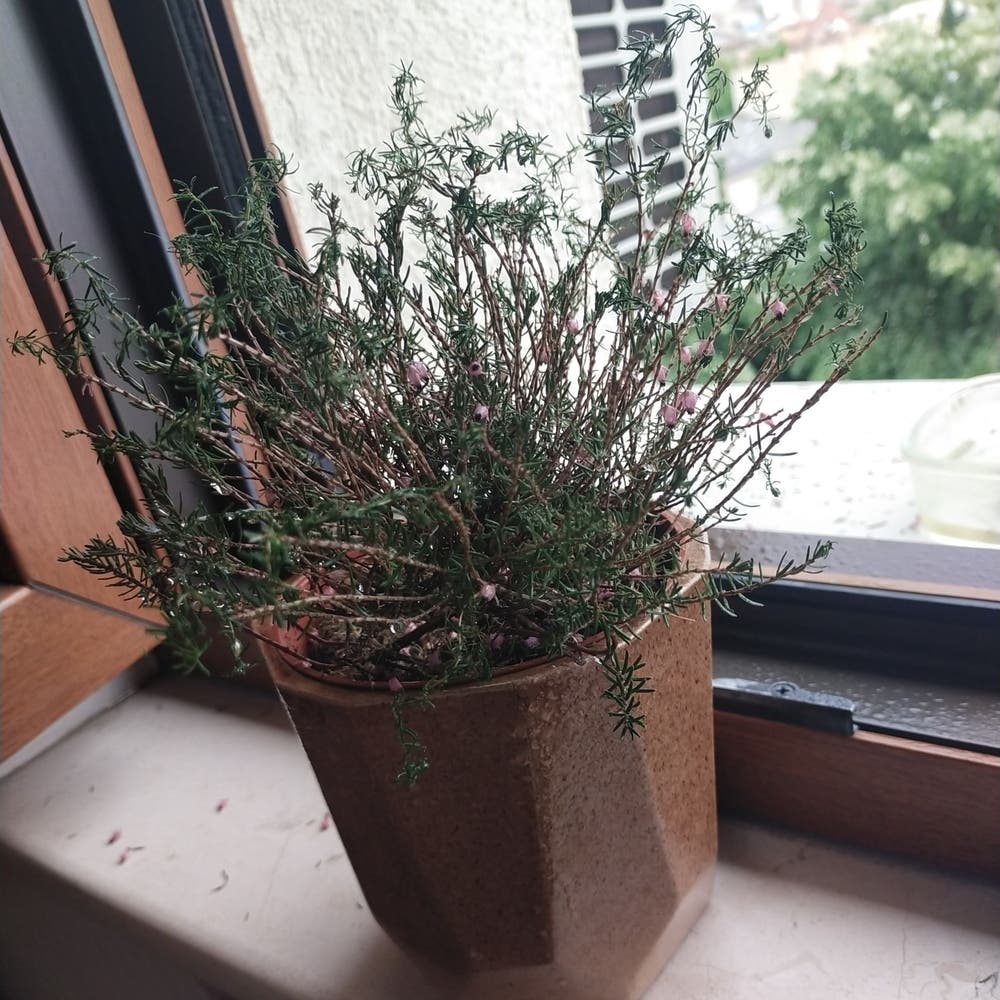
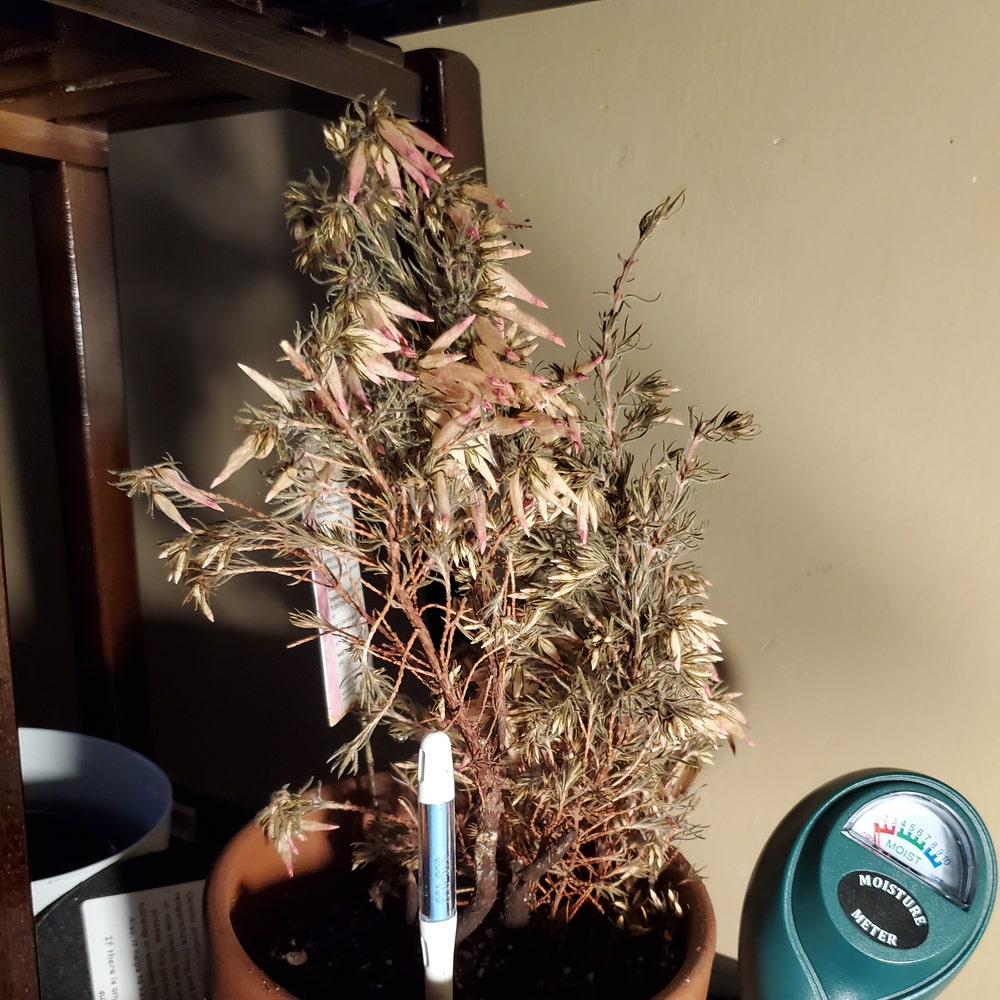
Brown spots on Winter Heath 'Darley Dale' are not just a cosmetic issue; they signal distress. These spots can appear anywhere on the leaf, from the edges to the center, and vary in size from tiny dots to large patches. Texture is also a clue; some spots may be dry and brittle, while others could be soft and damp. A yellow halo surrounding a spot is a red flag, indicating a potentially serious problem.
🦠 Common Culprits
The usual suspects behind these blemishes include fungal infections, bacterial invaders, and environmental stressors. Fungi might leave a powdery residue or a target-like pattern, while bacteria often create water-soaked spots that may ooze. Environmental factors, such as waterlogging, temperature extremes, or improper lighting, can also cause brown spots to appear. Regular visual inspection can help identify these issues early, preventing further damage.
Unearthing the Causes: What's Behind the Brown Spots?
🍄 Fungal Foes
Fungal invaders like Phytophthora and Rhizoctonia are notorious for causing brown spots on Winter Heath 'Darley Dale'. These fungi adore moisture and will happily exploit any damp conditions. Phytophthora manifests as dark, soggy spots on leaves, often leading to rot. Rhizoctonia, on the other hand, can cause web-like growths and dry, brown patches. Both create an unsightly mess and can severely compromise your plant's health.
🦠 Bacterial Baddies
Bacterial villains such as Pseudomonas and Xanthomonas are also to blame for brown spots. These bacteria thrive in warm, wet environments and can be particularly destructive. Pseudomonas may present as oily spots with a yellow halo, while Xanthomonas tends to cause lesions that might crack or ooze. These infections can spread rapidly, turning your Winter Heath's leaves into a bacterial battleground.
🌿 Environmental Stressors
Don't overlook environmental stressors; they're just as culpable. Waterlogging from overzealous watering or poor drainage invites fungal and bacterial parties. Extreme temperature fluctuations can also stress your plant, leading to those dreaded brown spots. It's a delicate dance—too much water and your plant's roots are swimming; too little, and they're gasping for a drink. Keep the balance to maintain a spot-free existence for your Winter Heath.
Nipping It in the Bud: Treating Brown Spots
🌱 Clean Up Your Act
Pruning is the first line of defense against those pesky brown spots on your Winter Heath 'Darley Dale'. Snip off the affected leaves and branches to halt the spread of disease. Make sure your tools are sterilized before and after this garden surgery; cleanliness is non-negotiable.
Dispose of the infected plant material properly—don't just leave it lying around. Think of it as hazardous waste in the plant world. A clean garden is less inviting to the pathogens looking for their next host.
🧪 Chemical Allies
When it comes to fungicides and bactericides, precision is key. Choose wisely—not all chemicals are created equal. Go for products that target your specific problem, whether it's a fungal fiend or a bacterial bully.
Read the label like it's a treasure map, leading you to plant health. Follow the instructions meticulously, covering all leaf surfaces thoroughly. Safety gear is a must—gloves and masks aren't just a fashion statement.
Rotate your fungicides to prevent any crafty fungi from building resistance. Reapply as directed, treating it as a critical part of your plant's recovery regimen. Remember, overuse can be just as harmful as the disease itself, so apply with care and respect for the environment.
Keeping It Green: Prevention Strategies
🌱 Cultivation Corrections
Adjust your watering habits to keep Winter Heath 'Darley Dale' thriving. Overwatering is a common misstep that invites trouble, so ensure the soil is moist but never soggy. Improve soil drainage by mixing in organic matter or sand, creating a bed where water can flow freely without waterlogging the roots.
🌿 Environmental Tweaks
Air circulation is crucial; think of it as your plant's breathing room. Space out your plants to prevent the stagnant, moist air that diseases love. Avoid overwatering like it's a garden taboo. It's not just about quantity; it's about timing too. Water in the morning so leaves can dry under the sun's gaze, dodging the fungal fiesta that loves dampness.
Rotate your pots occasionally for even growth and to outsmart potential pathogens. It's not just a visual perk; it's a strategic move against disease. Sanitation isn't just for your hands; it's for your garden too. Remove fallen leaves and debris regularly to disrupt the cycle of infection.
Remember, prevention isn't just a one-off task; it's a continuous commitment to your plant's well-being. Keep these strategies in your gardening toolkit, and your Winter Heath 'Darley Dale' will thank you with vibrant health and spotless leaves.
⚠️ Safety First
This content is for general information and may contain errors, omissions, or outdated details. It is not medical, veterinary advice, or an endorsement of therapeutic claims.
Always consult a qualified healthcare professional before using any plant as food, medicine, or supplement.
Never eat any plant (or feed one to pets) without confirming its identity with at least two trusted sources.
If you suspect poisoning, call Poison Control (800) 222-1222, the Pet Poison Helpline (800) 213-6680, or your local emergency service immediately.
Spotted an error? Please report it here.
Eradicate those pesky brown spots 🍂 on your Winter Heath 'Darley Dale' with Greg's tailored care reminders and community advice for a flourishing garden.